

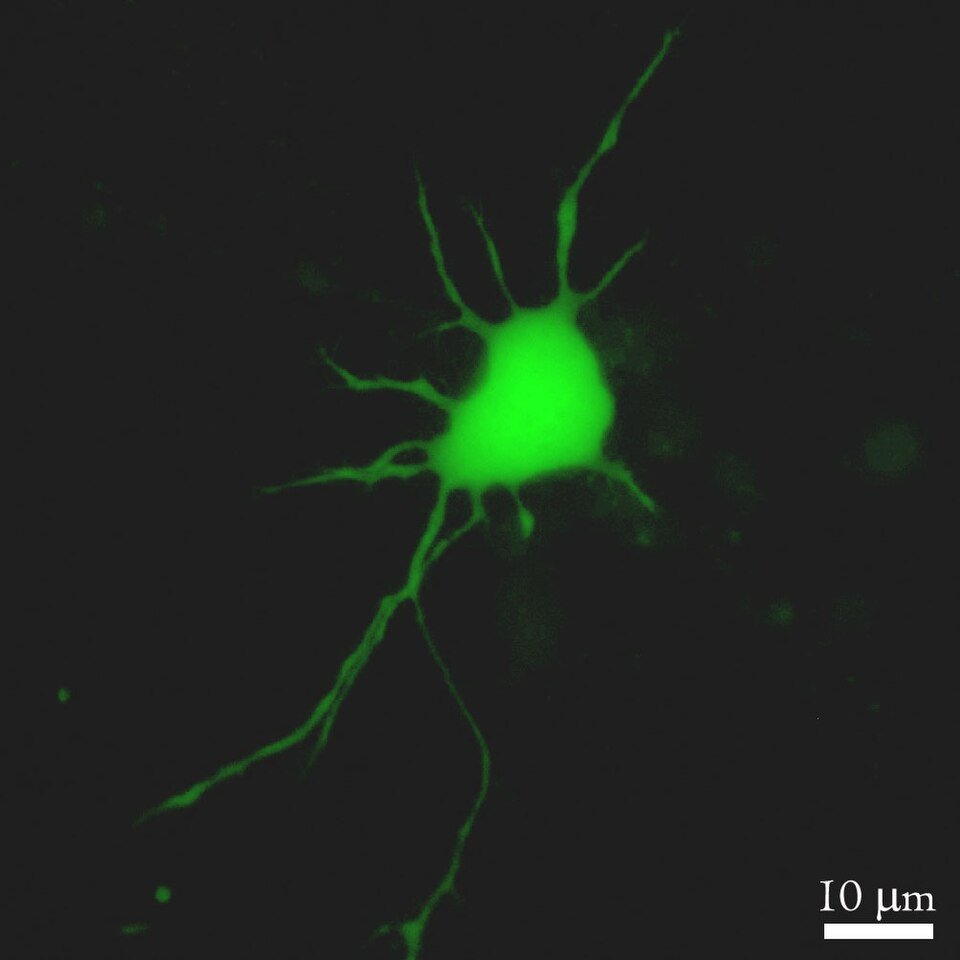
A molecule called tryptamine, produced by wake-active monoaminergic neurons and secreted in proportion to physical activity, accumulates in cerebrospinal fluid to drive homeostatic sleep pressure and promote sleep through the GPR139 receptor, according to a study in Nature Neuroscience that spans both nocturnal mice and diurnal pigs.
The molecular identity of sleep-promoting substances — the signals that tell the brain “you have been awake long enough, it is time to sleep” — has remained one of the most persistent mysteries in sleep research. A team led by Huateng Cao across multiple Chinese institutions (including CAS and Fudan University) has now identified tryptamine (TrpA) as a key mediator of sleep homeostasis.
What they found
The researchers developed a ratiometric fluorescent sensor to measure tryptamine in real time and traced its production and effects across multiple levels:
- Tryptamine tracks sleep pressure: CSF levels of tryptamine rose with wakefulness and physical activity, independently of circadian time, in both nocturnal mice and diurnal pigs — indicating a conserved, activity-driven homeostatic signal
- Source identified: Tryptamine is produced by wake-active monoaminergic neurons in the diencephalon and brainstem and released in an activity-dependent manner. The more active these neurons are, the more tryptamine is secreted
- Receptor and mechanism: Released tryptamine binds to G-protein-coupled receptor 139 (GPR139) and enhances neuronal excitability in the hypothalamic preoptic area, a key sleep-promoting brain region
- Required for sleep rebound: The TrpA-GPR139 signaling pathway was necessary for homeostatic sleep rebound — the increased sleep that follows prolonged wakefulness. Without it, the brain cannot properly compensate for lost sleep
- Therapeutic potential: Small-molecule GPR139 agonists promoted sleep duration and quality, positioning GPR139 as a druggable target for sleep disruption disorders
Why it matters
This is the first study to identify tryptamine as a homeostatic sleep signal and to map the full circuit from activity-dependent release to receptor engagement to behavioral sleep promotion. The finding bridges a century-old gap in sleep research — since Ishimori’s 1909 work on hypnogenic substances — by identifying a molecule that directly encodes sleep pressure.
The GPR139 receptor is particularly important because G-protein-coupled receptors are among the most druggable targets in pharmacology. A small-molecule agonist that promotes sleep through this pathway could represent a fundamentally new approach to treating insomnia and age-related sleep loss, distinct from GABAergic hypnotics (benzodiazepines, Z-drugs) and orexin receptor antagonists.
Limits
The study was conducted in mice and pigs. Human translation has not yet been demonstrated. GPR139 agonists have not been tested in clinical trials for sleep disorders. The tryptamine-GPR139 pathway is one component of sleep homeostasis; other parallel signals likely exist.
Bottom line
Tryptamine, secreted by wake-active neurons as a function of activity and wake duration, accumulates to drive sleep pressure through GPR139 in the preoptic area. This newly identified pathway offers both a mechanistic explanation for sleep homeostasis and a druggable target for treating sleep disruption.
Source
Cao H, et al. Tryptamine from wake-active monoaminergic neurons regulates sleep homeostasis. Nat Neurosci. 2026 Jun 19. DOI: 10.1038/s41593-026-02332-x. PMID: 42321470.