

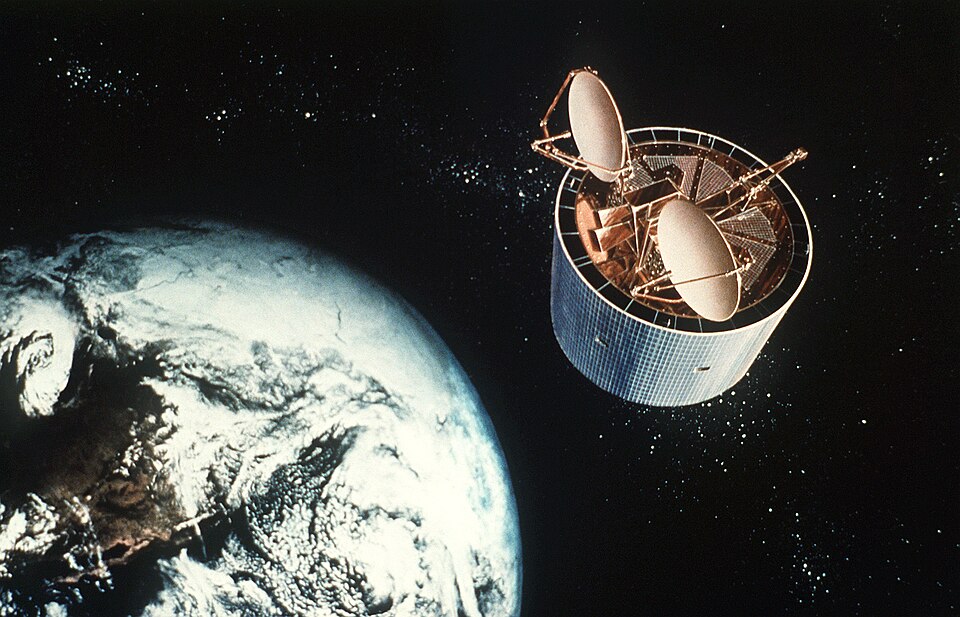
A satellite equipped with a vision-language model has demonstrated the ability to detect objects of interest in orbit autonomously, responding to natural-language queries without ground control intervention (TechCrunch).
The satellite, called Yam-9 and operated by San Francisco-based Loft Orbital, carries a NASA JPL-developed AI software package called NAVI-Orbital running on an Nvidia Jetson Orin AGX GPU. During a demonstration in April, researchers asked the system to classify sensor data where natural terrain meets human development, identify infrastructure around railway hubs, and monitor a border for suspicious activity. The satellite processed the imagery onboard and returned relevant results.
Traditional satellite operations work like this: the satellite captures raw data and beams it down to Earth, where analysts apply machine learning or human eyes to find what is useful. The flood of data from modern sensors means much of it never gets reviewed.
Yam-9 flips the model. The satellite runs a Google DeepMind Gemma 3 vision-language model directly on its onboard processor. It interprets what it sees, triages what matters, and sends back only the relevant results. The queries can be in natural language: no hard-coded detection rules, no ground analysts needed for initial identification.
Paul Lasserre, Loft Orbital’s Head of AI, described the achievement as a step toward persistent autonomous monitoring. “It opens the door to always-on, patrol layers in space. If you have a VLM, you can have logic, like ‘monitor this border for me, and let me know when something is suspicious,’ and interact back and forth with the satellites.”
The Technology
The Yam-9 satellite launched in fall 2025 as a pathfinder for Loft Orbital’s onboard AI projects. The company operates 12 satellites and plans to scale to 50 to 100 Yam-9-class spacecraft for near-real-time global coverage, according to Lasserre.
Juan Delfa Victoria, technical lead of NASA JPL’s AI group, led the NAVI-Orbital development. The project’s origin traces to thinking about AI assistants for astronauts. “We’re thinking, okay, you have astronauts with pressurized suits, and you know they cannot be tapping on a keyboard, whatever they want to do is complex,” he told TechCrunch. “So, how about we provide an assistant, like in video games and in movies, where you see an AI which is interactive?” His caveat: “Just don’t call it HAL 9000.”
Why It Matters
This is the first documented use of a vision-language model for autonomous decision-making in orbit, moving beyond the simple object detection that other satellite operators like Planet Labs have already deployed. The distinction matters: a VLM can understand context and respond to open-ended queries rather than matching predefined patterns.
The demonstration suggests that the next generation of satellites will not just take pictures. They will look, interpret, and decide what to tell us.
Sources: TechCrunch (June 15, 2026); Forbes (March 2026)