

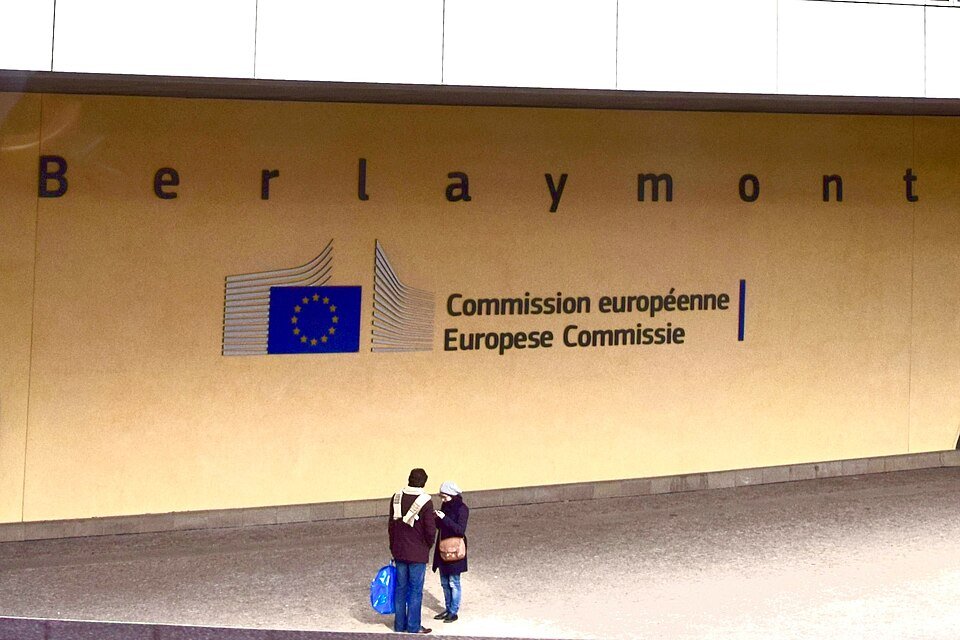
The European Commission has ordered Meta to restore free WhatsApp access for competing AI chatbots, resorting to an emergency interim measure it has used only once before in more than 20 years. The decision escalates a confrontation that could eventually cost Meta up to 10 percent of its annual revenue.
The order, announced Tuesday, requires Meta to reinstate third-party AI assistants on WhatsApp under the same terms that were in place before the company banned them in October 2025. That means “notably free of charge,” the Commission said.
Meta has until June 15 to comply. The broader antitrust investigation, opened in December 2025, remains ongoing with no date set for a conclusion.
The background
The dispute began when Meta banned third-party AI chatbots from its WhatsApp platform in October 2025. The European Commission opened a formal antitrust investigation in December, suspecting Meta of abusing its market dominance in messaging to disadvantage rival AI services.
Meta partially reversed course in March 2026, restoring access “for a fee.” But the Commission determined that the fee violated competition rules. The new order requires Meta to reinstate access under the same free terms that existed before the ban.
“We do not want to have to contend with a super-intelligence that has ideas about its own suffering,” the Commission did not say. Instead, competition commissioner Teresa Ribera framed the decision in market terms: “In rapidly evolving markets, competition can be lost long before a final decision is adopted. This is why these interim measures will remain in place for the duration of the investigation, in order to prevent harm that would be almost impossible to repair.”
The stakes for Meta
The interim measure is only the second time the EU has used this emergency power in over two decades. It reflects the Commission’s view that the AI assistant market is moving too fast for the normal pace of antitrust litigation, which can take years to reach a final decision.
If Meta ignores the order, it faces fines of up to 10 percent of annual revenue. Based on 2025 earnings, that would be roughly $20 billion. The company has indicated it will appeal, calling the order “regulatory overreach.”
“The European Commission has decided that OpenAI and some of the largest companies in the world can use the paid-for WhatsApp Business product for free,” a Meta spokesperson told Politico. “This is regulatory overreach subsidized by the many European companies that pay.”
Why WhatsApp matters
WhatsApp is the dominant messaging platform in much of Europe, with hundreds of millions of active users. For an AI company trying to reach consumers, access to WhatsApp represents a distribution channel that would be difficult to replicate independently.
The Commission’s argument is that Meta used its control over WhatsApp to cut off rival AI assistants from that distribution channel, effectively foreclosing competition in the emerging market for general-purpose AI assistants. The order restores access pending the full investigation, ensuring that the market develops with multiple players rather than being shaped by Meta’s gatekeeping.
Bigger pattern
The WhatsApp order is part of a broader European push to regulate digital markets. The Digital Markets Act, which came into full effect in 2024, designates major platforms as “gatekeepers” subject to specific obligations around interoperability, data access, and anti-discrimination. While the WhatsApp case is proceeding under traditional antitrust rules rather than the DMA, the regulatory direction is consistent.
The question the case raises is whether the EU’s approach of ordering access on specific terms can keep pace with AI markets that evolve on a weekly basis. The Commission ordered Meta to restore the terms that existed before the ban. But those terms were set in a world before ChatGPT, before Claude, before any of the current generation of AI assistants existed. If the market has fundamentally changed, restoring the prior status quo may not produce the competitive outcome the Commission expects.
For Meta, the practical calculus is straightforward: comply by June 15, or risk a $20 billion fine while pursuing an appeal. For the broader industry, the case is a signal that European regulators are willing to use their strongest tools to shape the AI market, and that they consider messaging platforms a critical gateway to consumers.
Sources: The Verge (June 10, 2026); European Commission (December 2025); Politico (June 2026)