

EU Proposes Entry Ban on All Russian Soldiers Who Served Since Invasion
For the first time since the full-scale invasion began, the European Union has proposed closing its borders to every Russian who has worn a uniform in that war, a move that transforms economic sanctions into a sweeping human barrier of unprecedented scope.
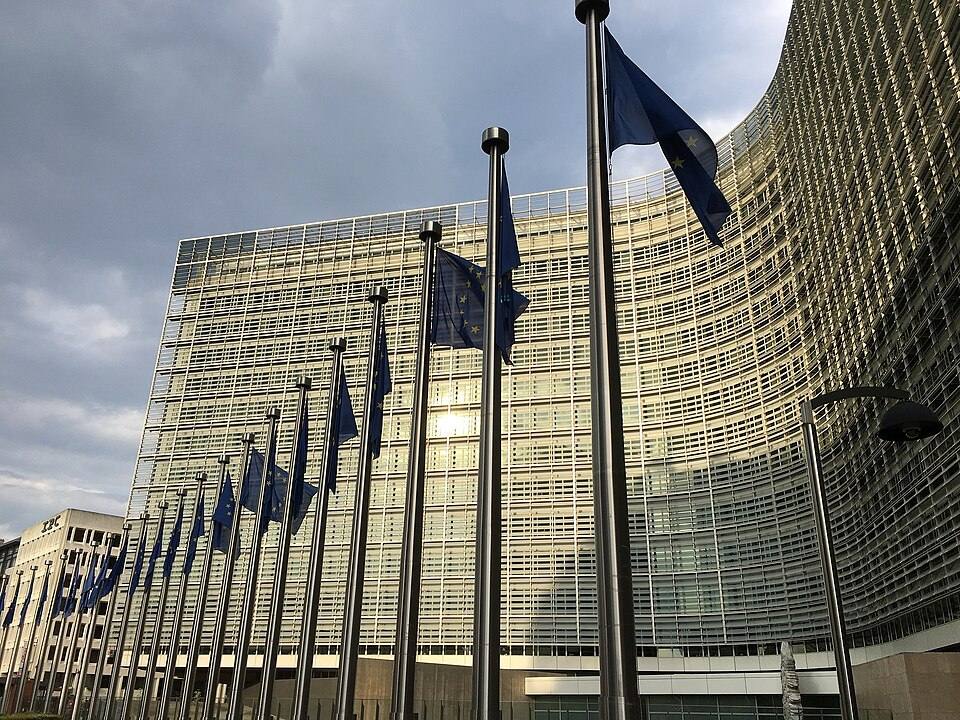
BRUSSELS. The announcement came on a gray Monday morning in June, from a podium in the Berlaymont building where so many of these packages have been unveiled before. But this one was different. European Commission President Ursula von der Leyen did not merely announce another round of asset freezes and export controls. She proposed something the EU has never dared in four years of war: an entry ban on every individual who has served in the Russian Armed Forces since February 2022.
“We propose for the first time to ban from entry into the European Union anyone who has served in the Russian Armed Forces since the beginning of the war,” von der Leyen told reporters on June 9. “Europe stays off limits for anyone who has participated in the invasion of Ukraine, simple as that.”
The figure is staggering. Approximately 1.5 million Russian military personnel are now potentially affected by the measure. That includes conscripts, contract soldiers, officers, and reservists who have been rotated through the Ukrainian theater since the invasion began. Unlike previous sanctions that targeted specific individuals named on blacklists, this is a categorical exclusion based on service itself. The burden of proof falls on the traveler. A Russian citizen arriving at a Schengen border crossing who has served in the military since the war started will be turned away.
The entry ban is the centerpiece of the 21st sanctions package, but it is far from the only element. The package also targets Russia’s energy sector, financial services, and cryptocurrency assets. For the first time, Russian fisheries are subject to EU restrictions. Thirty-one additional Russian banks have been added to the sanctions list. Another 30 ships join the 632 already designated as part of Russia’s so-called shadow fleet, the aging tankers and cargo vessels Moscow uses to evade the oil price cap and transport military equipment.
The oil price cap itself has been frozen at $44.10 a barrel, or 38 euros, and will remain there until January 2027. The decision to fix the price comes despite significant market shocks caused by the closure of the Strait of Hormuz, which has pushed global oil prices upward. The cap is designed to prevent Russia from profiting from those higher prices. In theory, it works. In practice, enforcement has been the perennial weakness of Western sanctions, and the expansion of shadow fleet designations is a tacit admission that evasion remains rampant.
The package also targets metals and alloys used in aerospace and defense industries, closing another gap in the industrial sanctions regime that has struggled to keep advanced materials out of Russian weapons systems.
EU foreign policy chief Kaja Kallas framed the package in stark terms. “Brick by brick, we are collapsing the foundations of Russia’s war economy,” she wrote. The metaphor was deliberate. Each sanctions package chips away at something. The 21st package aims at the base.
What makes the entry ban particularly significant is its psychological and political weight. Since the invasion, the EU has struggled to balance its moral condemnation of the war with the practical realities of a continent that shares a border with Russia. Russians continued to travel to Europe in significant numbers throughout the conflict. In 2025 alone, Russian citizens submitted over 670,000 Schengen visa applications. The sight of Russian tourists strolling through Paris and Rome while their country waged war in Ukraine has been a source of persistent outrage in Kyiv and among Eastern European member states.
The ban also carries sharp practical enforcement questions. How will border guards determine whether a Russian citizen has served in the military? What about dual nationals? Russians who left the country after February 2022 to avoid conscription? The details remain unresolved, and the package still requires unanimous approval from the Council of the European Union, where Hungary has previously delayed or diluted sanctions measures.
Hungarian Prime Minister Viktor Orban has signaled resistance. So have some voices in Slovakia. The unanimity requirement has been the structural weak point of every EU sanctions package, and the 21st will be no exception. Diplomats in Brussels expect negotiations to stretch into July, with language being fought over paragraph by paragraph.
But the direction is clear. Four years and 21 packages into the war, the EU is no longer content to freeze assets and block exports. It is now prepared to treat every Russian soldier as a person non grata on European soil. That is not a technical adjustment. It is a political statement about collective responsibility for a war that has killed hundreds of thousands and displaced millions. Whether it can be enforced, whether it will hold up in court, and whether it will survive the inevitable legal challenges from affected individuals are questions for another day.
For now, the message from Brussels is unmistakable. The door to Europe is closing, and 1.5 million Russian soldiers are on the wrong side of it.