

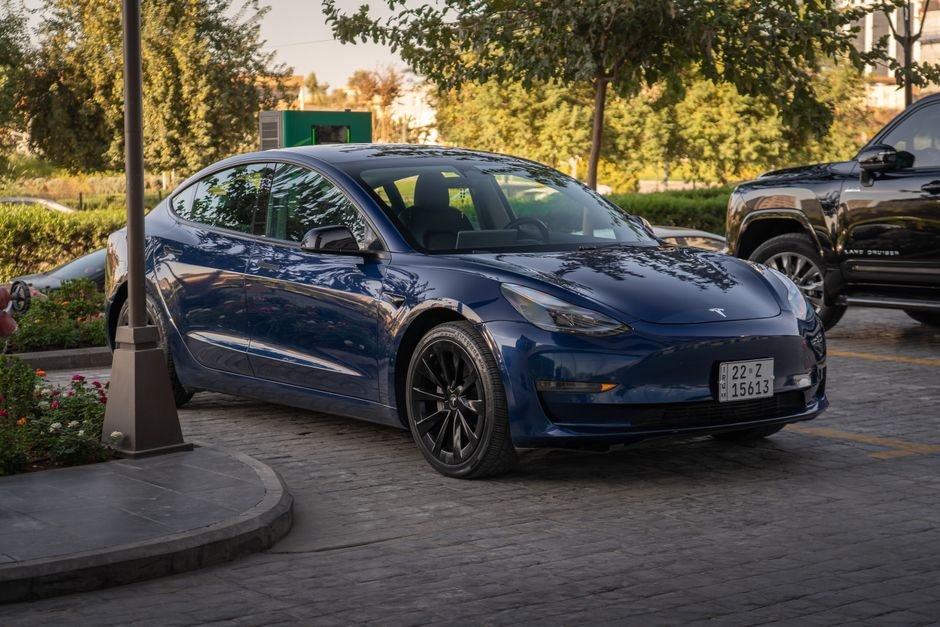
A proposed New Jersey bill requiring all driverless vehicles to be equipped with lidar could effectively ban Tesla’s robotaxi service in the state, reigniting the decade-old debate over whether cameras alone are sufficient for autonomous driving.
The legislation, first reported by The Verge, mandates that any vehicle operating without a human driver must carry lidar (light detection and ranging) sensors. Tesla’s self-driving system relies exclusively on cameras and computer vision, explicitly rejecting lidar and radar as unnecessary. CEO Elon Musk has called lidar a “crutch” and famously said “anyone relying on lidar is doomed.”
The lidar divide. The AV industry has long split on sensor strategy. Waymo, Cruise, and most autonomous vehicle developers use sensor fusion, layering lidar, radar, and cameras so each sensor type compensates for the others’ weaknesses. Lidar provides precise 3D depth mapping regardless of lighting conditions but struggles in heavy rain or snow. Cameras excel at reading signs and traffic lights but fail in glare, darkness, and low-contrast situations.
New Jersey’s bill takes the position that redundancy is a safety requirement, not an option. If passed, Tesla would need to either integrate lidar into its vehicles or suspend robotaxi operations in the state.
Broader implications. The bill arrives as Tesla pushes into commercial robotaxi operations. The company launched paid autonomous rides in Austin, Texas earlier this year using its camera-only system, and has announced plans to expand to additional cities. A patchwork of state-level sensor mandates could complicate that rollout, especially if other states follow New Jersey’s lead.
The AV industry is watching closely. A law requiring lidar would represent the first time a state has codified a specific sensor requirement into autonomous vehicle regulation, moving beyond general safety standards into technology mandates.