

Two events on opposite ends of the European continent this weekend tell the same story: Europe is finally getting serious about crippling the Russian war economy, and it is doing so in direct coordination with Ukraine.
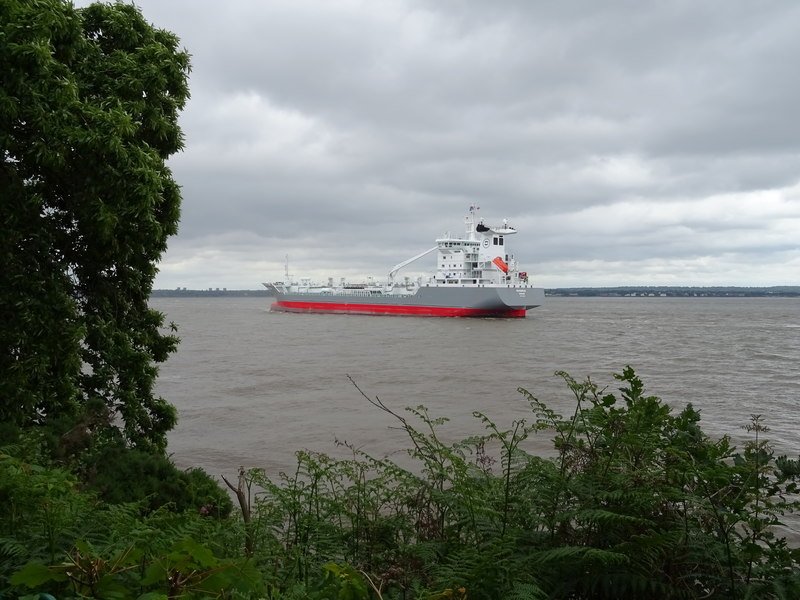
On Saturday, British armed forces intercepted and seized a Russian shadow fleet oil tanker in the English Channel — the first operation of its kind by the United Kingdom. Defense officials confirmed that marines boarded the vessel, identified as the SMYRTOS, in the early hours of Sunday as it attempted to transit the Channel. Prime Minister Keir Starmer called it a “successful operation” that “delivers yet another blow to the Russian war machine.”
On Friday, Ukrainian drones struck two major oil refineries in Tatarstan, more than 1,600 kilometers inside Russian territory, hitting the Taneko and Taif-NK facilities on Russia’s national holiday. Simultaneous strikes hit the Tolyattikauchuk petrochemical plant in the Samara region, which produces synthetic rubber used in ballistic missile production. The attacks forced the cancellation of Russia Day celebrations in Nizhnekamsk.
These are not isolated incidents. They are the latest turns of a ratchet that has been tightening for months, and the pace is accelerating.
The UK seizure follows France’s boarding of the Tagor, a shadow fleet tanker, in the Atlantic on May 31 — the fourth such French operation. France had earlier intercepted a Russian ghost fleet vessel off Brest and detained its captain. Denmark, Norway, and the Baltic states have all increased their own interdictions. What was once a rare diplomatic gesture has become a near-weekly occurrence in European waters.
The shadow fleet — an armada of aging, poorly insured tankers that Russia uses to evade the G7 oil price cap — has grown to an estimated 600 vessels. Nearly 200 of them have entered UK waters since Starmer first threatened to intercept them seven weeks ago. Until this weekend, the threat had not been carried out. Now it has been, and the message is clear: the legal and political barriers that once protected these vessels are being dismantled.
Ukraine’s deep-strike campaign follows the same logic. After four years of war, Kyiv has developed drone and missile systems capable of hitting targets anywhere in European Russia. The Tatarstan strikes on June 12 were the deepest yet. On June 13, Ukrainian drones hit the Tamanneftegaz terminal in Krasnodar, the largest liquefied hydrocarbon transshipment complex in southern Russia, damaging five fuel tanks and two loading stands.
The SBU, Ukraine’s security service, has pledged to keep targeting Russian oil and gas infrastructure, calling it “a source of funding for the war against Ukraine.” President Vladimir Putin acknowledged on Friday that Ukrainian strikes “are causing us damage,” though he promised a swift response.
For years, Europe hesitated. The shadow fleet was known but tolerated. Russian energy revenues continued to flow. Sanctions were imposed but enforcement was patchy. The fear of escalation, of higher energy prices at home, of provoking Moscow into a direct response — all of it kept European governments in a posture of half-measures.
That posture is shifting.
The timing is not accidental. The Russian economy is under strain visible to anyone who looks. Inflation is running high. The central bank has kept interest rates elevated. The budget deficit is growing. Oil and gas revenues, the lifeblood of the Kremlin’s war budget, have been squeezed by the price cap and by Ukraine’s relentless targeting of refineries. Putin admitted this month that the economic damage from Ukrainian strikes is real.
European governments, after years of hesitation, appear to have concluded that the risk of not acting is now greater than the risk of acting. The UK seizure and the French operations before it send a signal that the shadow fleet’s immunity has expired. Ukraine’s strikes send a signal that no Russian refinery is safe.
Together, they form a new axis of pressure — one that connects European enforcement of sanctions with Ukrainian military action in a way that has not been seen before. The UK and France seize tankers. Ukraine hits refineries. The Russian economy takes damage from both directions.
Whether this amounts to a coordinated strategy or a convergence of interests is a question that governments will not answer publicly. But the effect is the same either way. The pressure is rising, the window for Russia to adapt is closing, and the hesitation that defined Europe’s approach for four years is giving way to something harder.