

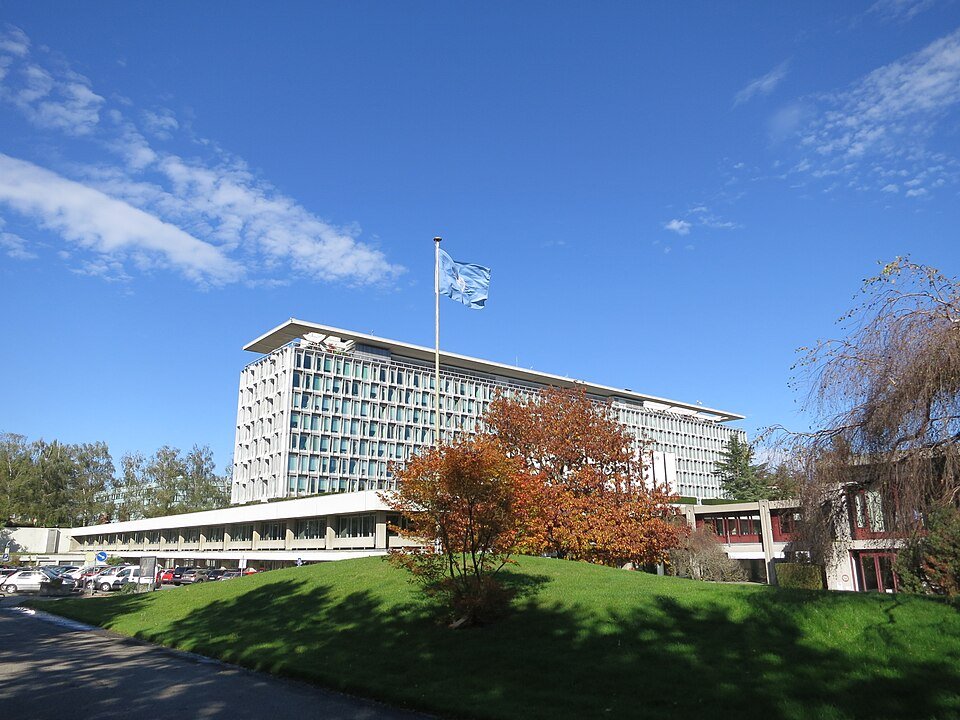
‘WHO and Africa CDC Launch $518 Million Plan to Contain the Bundibugyo Ebola Outbreak’
The World Health Organization (WHO) and the Africa Centres for Disease Control and Prevention (Africa CDC) have launched a joint continental response plan to contain the unfolding Bundibugyo ebolavirus outbreak in the Democratic Republic of the Congo and Uganda, with a funding target of $518 million.
Announced on June 5, the plan covers a six-month window through November 2026. It aims to complement national response plans already active in the two affected countries while strengthening preparedness in neighboring at-risk nations. Donors have so far pledged approximately $315.8 million, leaving a significant funding gap.
“The objective is straightforward: We need to stop the outbreak where it is, support countries that are responding today, and ensure that neighboring countries are ready to detect and act quickly if cases appear,” WHO Director-General Tedros Adhanom Ghebreyesus said at a press conference announcing the plan. He described the guiding principle as “one plan, one budget, one team.”
An Outbreak With No Vaccine
The outbreak was officially declared on May 15, 2026, centered in the DRC’s Ituri province, though officials believe transmission began weeks earlier. As of early June, the DRC has reported 381 confirmed cases and 62 confirmed deaths. Uganda has reported 16 confirmed cases and one death. The overall case-fatality rate stands at 15.9%, though more than 250 suspected deaths remain under investigation.
Eight patients (six in the DRC and two in Uganda) have so far recovered.
This is the 17th Ebola outbreak in the DRC and the largest ever caused by the Bundibugyo virus (BDBV), one of six known species of Ebolavirus. Unlike the Zaire ebolavirus, which caused the devastating 2014-2016 West Africa outbreak and for which licensed vaccines and treatments exist, Bundibugyo has no approved vaccines or specific antiviral therapies. That fact makes the outbreak substantially harder to contain.
Research is underway. Gavi, the Vaccine Alliance, has committed $50 million through its First Response Fund to support the development and deployment of candidate Bundibugyo vaccines. WHO has convened expert advisory groups to prioritize candidate treatments and vaccines, and Moderna has begun developing an mRNA-based Bundibugyo vaccine candidate. But no licensed product is expected within the six-month window of the current response plan.
A Warning From Modelers
At a separate press conference, officials from the US Centers for Disease Control and Prevention (CDC) presented modeling estimates that illustrate the scale of the threat. A study published in the agency’s Morbidity and Mortality Weekly Report (MMWR) on June 5 projects that under a scenario in which only 20% of infected people are successfully detected and isolated within two days of infection, the outbreak could exceed 20,000 cases and 4,000 deaths by mid-August.
Those numbers would approach the scale of the 2014-2016 West Africa outbreak, which recorded more than 28,000 cases and 11,000 deaths.
The modeling also suggests that if detection and isolation rates can be raised to 70% to 95%, the outbreak could be contained far more quickly. But Satish Pillai, MD, MPH, incident manager for the CDC’s Ebola response, cautioned that current conditions on the ground make those higher percentages difficult to achieve.
“The outbreak currently under way is serious because of the scale of transmission, because of the conditions in the affected regions, including active conflict, and significant challenges to healthcare access,” Pillai said. He described the situation as deserving of “serious, sustained attention.”
Africa CDC Director-General Jean Kaseya noted that the number of confirmed cases in the first three weeks of this outbreak is significantly higher than in previous Ebola outbreaks at the same stage, including the West Africa outbreak. “This is a very serious outbreak, and we need to stop it now, where it is,” he said.
A Challenging Environment
The Ituri province, where the outbreak is concentrated, presents a uniquely difficult operational environment. The region has experienced decades of armed conflict, large population displacements, and limited healthcare infrastructure. It borders Uganda, Rwanda, and South Sudan, and cross-border movement of people is frequent. These conditions have historically amplified Ebola outbreaks and complicated response efforts.
The response plan covers surveillance, contact tracing, clinical case management, infection prevention and control, community engagement, cross-border preparedness, and logistics. The six-month timeline reflects the urgency of interrupting transmission before the outbreak reaches more densely populated areas.
The CDC has assessed the risk of the outbreak spreading to the United States as low over the next three months. Pillai said that even if a case were introduced, the risk of secondary transmission within the US is minimal “given the strength of our public health system and clinical infection control measures.”
The broader concern remains within Africa. Ten countries on the continent have been identified as high-risk and are included in the continental preparedness plan.
Source: WHO/Africa CDC Joint Continental Preparedness and Response Plan, June-November 2026. The Lancet (2026). DOI: 10.1016/S0140-6736(26)01184-0. See also: CDC MMWR modeling study (June 5, 2026); Gavi First Response Fund announcement (May 29, 2026).