

US Quietly Scales Back NATO Fighters, Tankers, and Warships in Europe
Washington pulls the plug on Europe’s air cover. The numbers, the reasons, and the uncomfortable reckoning that follows.
The United States is quietly but drastically scaling back the air and naval forces it makes available for NATO operations in Europe, according to a New York Times report published June 12 citing two senior European officials. The cuts, which span fighters, bombers, tankers, surveillance planes, and warships, represent the most significant reduction in US force commitments to the alliance in decades.
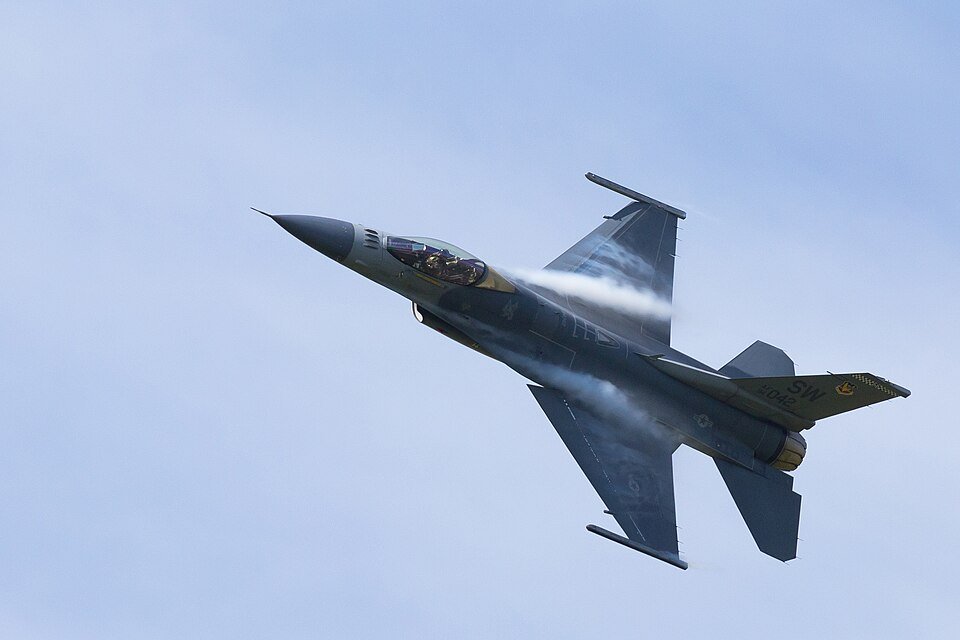
The numbers tell a stark story. The US plans to reduce its pool of F-16 and F-15E fighter jets assigned to NATO from approximately 150 down to 100. Maritime reconnaissance aircraft will drop from 26 to 15. All eight aerial refueling tanker jets currently assigned to European NATO operations are being removed entirely — a decision that Defense News described as “crippling” for the alliance’s ability to project power over distance.
Beyond these cuts, the Pentagon intends to redeploy a missile-launching submarine and an aircraft carrier, along with several additional warships and scores of fighter jets that typically accompany carrier strike group missions. One of two bomber groups previously earmarked for Europe’s defense may also be reassigned to other theaters.
The cumulative effect is unmistakable. If implemented, these reductions would severely limit NATO’s capacity to launch long-range strikes, conduct persistent surveillance, and refuel aircraft during extended operations over European skies. The removal of the tanker fleet alone effectively ties NATO fighter operations to a shorter leash — without aerial refueling, the range and loiter time of combat aircraft shrink dramatically.
NATO spokesperson Allison Hart offered a measured public response. “Historically there has been an over-reliance on US forces and capabilities,” she said, adding that “as Europe and Canada invest more in defense, the balance can shift.” The statement, reported by Reuters, was diplomatic in tone but revealed the underlying tension.
US European Command framed the move differently, telling the press that it would “rightsize” its contributions to the NATO Force Model. The phrase is bureaucratic, but the meaning is plain: the United States is redirecting resources away from Europe.
The context matters. The Trump administration has for years accused European governments of underinvesting in their own defense, repeatedly pushing allies toward a target of 3.5 percent of GDP on military spending. Most NATO members still fall well short. Now, with the United States actively engaged in a war in Iran — stretched across multiple theaters simultaneously — the patience has run out.
What emerges is a picture of an alliance at an inflection point. The post-Cold War bargain in which Europe enjoyed American security guarantees while spending relatively little on its own militaries has been eroding for years. These cuts may finally force the reckoning that diplomats have long deferred. If the United States is indeed reducing its forward presence, European NATO members face a simple arithmetic: fill the gap, or accept a diminished alliance.
The tanker pullout is perhaps the most telling detail. Aerial refueling is not glamorous, but it is essential. Without it, a nation’s air force is fundamentally a territorial defense force rather than a power projection force. The decision to withdraw all eight tankers signals something beyond budget trimming — it suggests a deliberate retooling of the US commitment to European security.
Whether Europe can — or will — respond in kind is an open question. National budgets are tight across the continent. Public opinion in many NATO member states does not favor rapid military expansion. And the industrial capacity to build advanced fighters, tankers, and warships does not appear overnight.
For now, the alliance’s most powerful member is drawing down its presence. The ships are sailing elsewhere. The tankers are leaving. The bombers may follow. NATO will have to decide, perhaps sooner than it expected, what kind of alliance it intends to be.