

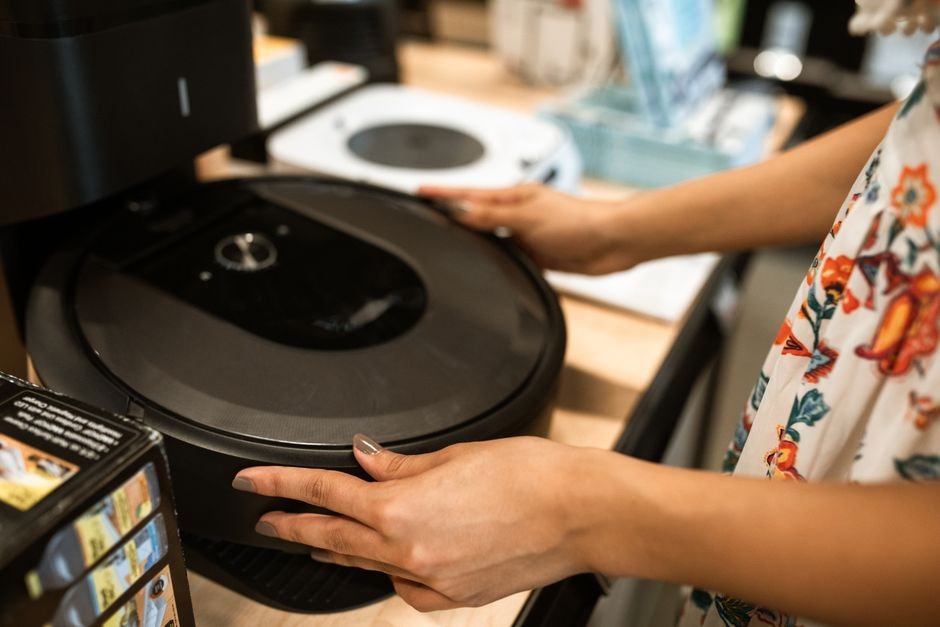
The United States government’s national security restrictions on foreign-made robotics have a definition problem, and the definition has a weight limit. When the Federal Communications Commission updated its Covered List on July 28 to include advanced robotic devices, the category turned out to be broad enough to sweep in the devices vacuuming American living rooms, not just the humanoid machines that dominate conference keynotes.
The new rule, which follows national security determinations by a White House-convened interagency body, covers autonomous mobile robots capable of locomotion, obstacle avoidance, navigation, or ground movement. The FCC’s definition adds a physical threshold: the device and its ground station must weigh more than 2 kg (4.4 pounds) to be affected. Most robot vacuums clear that bar comfortably, which means new models from the majority of brands sold in the US could be barred from FCC authorization, the first step on the path to import, marketing, and sale. Lighter gadgets, such as SwitchBot’s AI pet toys, escape the category entirely.
What the ban actually changes
The restrictions apply to new device models only. Robot vacuums already on store shelves or in FCC-authorized models can continue to be sold, and the millions of Roombas and Roborocks already in American homes are unaffected. The FCC was explicit that the action does not prohibit use of previously purchased devices. Sales to the federal government are exempt, as are self-driving vehicles and medical equipment, a carve-out that sits oddly next to the security rationale: the underlying determinations cited risks of foreign actors remotely commandeering robots, exfiltrating data, or surveilling Americans through networked devices.
Manufacturers can still win approval through a Conditional Approval process run by the Department of War, with the Department of Homeland Security handling the parallel category of connected power inverters that was added in the same action. In practice, the FCC noted, restrictions apply to new models produced in foreign countries, regardless of where the parent company is headquartered.
Which brands are at risk
The consumer robotics market is now sorting itself into survivors and maybes. iRobot, maker of the Roomba line, still considers itself an American company with US headquarters, but its acquisition by Chinese supplier Picea means future Roomba models may not clear the new bar. Most other major brands in the US market, including Eufy, Roborock, and Dreame, rely on overseas components and manufacturing and face the same wall. CNET’s robot vacuum specialist identified Shark as the likely exception, since the company assembles its robot vacuums in the United States.
The consumer consequences extend beyond the checkout counter. If manufacturers choose to exit the US market rather than navigate the approval process, owners of existing devices could gradually lose software updates, repairs, and support, a slow-motion obsolescence that the FCC’s guidance does not address.
From drones to the living room
The robot vacuum rule extends a supply chain security campaign that began with drones and routers and has been escalating through 2026. The FCC’s fact sheet does not name China directly, but the underlying documentation references Chinese autonomous systems, and the administration has separately accused China of stealing AI technology from Anthropic for its Moonshot project. For consumers, the practical meaning of the policy is arriving quietly: the next generation of robot vacuums simply may not appear on American shelves, and the choice of which brands survive will be made in Washington, not in the vacuum aisle.
Sources: First drones, now robot vacuums; the US government’s ban on foreign robots is confirmed to include many of the best robovacs and robot lawn mowers on the market and brands may have been caught off-guard (TechRadar, July 31); FCC Updates Covered List to Include Foreign-Produced Advanced Robotic Devices and Power Inverters (FCC fact sheet, July 28); FCC Rule Banning Foreign Robots Could Sweep Up New Home Robot Vacuums (CNET, July 30); How the FCC’s New Rule Will Affect Robot Vacuums (Wired, July 30); The US is banning foreign robots (The Verge, July 28)