

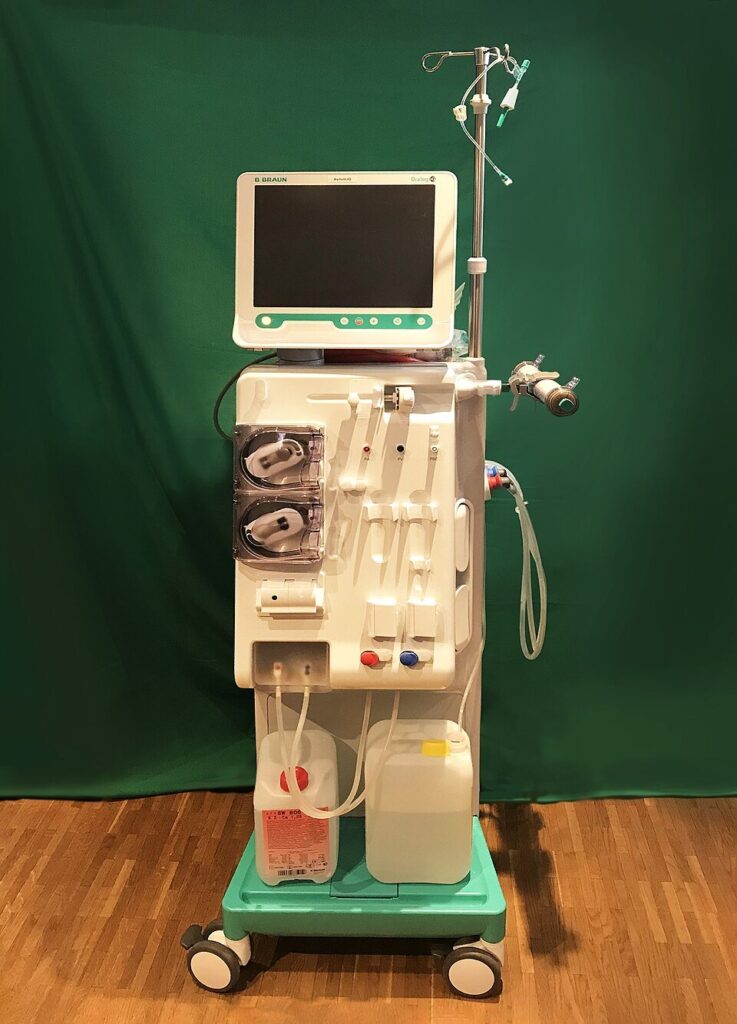
Patients on maintenance hemodialysis carry a double burden: poor sleep quality and moderate-to-severe fatigue, and the two conditions reinforce each other in a cycle that biochemical markers and medication load help drive.
A new observational study from three public hospitals in Turkey, published in the International Journal of Artificial Organs, assessed 78 patients receiving regular hemodialysis therapy between May and October 2025 using the Pittsburgh Sleep Quality Index (PSQI) and the Fatigue Severity Scale (FSS).
What they found
The numbers paint a clear picture:
- Mean PSQI score: 7.76 (SD 3.64). A score above 5 indicates poor sleep quality. The average patient landed nearly three points above that threshold.
- Mean FSS score: 4.97 (SD 1.11). On a 1-to-7 scale, scores above 4 signify clinically relevant fatigue. The cohort averaged just under 5.
- Moderate positive correlation between PSQI and FSS scores: worse sleep predicted worse fatigue, and vice versa.
Two biochemical markers emerged as statistically significant correlates. Lower ferritin levels showed a weak negative correlation with fatigue scores, and lower calcium levels correlated weakly with worse sleep quality. The use of medications for chronic disease was an independent predictor of fatigue severity.
Why it matters
Hemodialysis is a life-sustaining treatment for end-stage kidney disease, but it exacts a toll beyond the dialysis session itself. Sleep disruption and fatigue are among the most common and most debilitating symptoms patients report, yet they are often underdiagnosed in clinical practice. The finding that poor sleep and fatigue track together, and that biochemical parameters and medication burden contribute independently, gives clinicians actionable targets: monitoring ferritin and calcium, reviewing the medication list for contributors to fatigue, and integrating sleep screening into routine dialysis care.
The authors note that these symptoms are not inevitable consequences of dialysis but potentially modifiable through targeted assessment and intervention.
Limits
The sample is modest (n = 78) and drawn from three hospitals in a single country, which limits generalizability. The cross-sectional design captures associations but cannot establish whether poor sleep causes fatigue, fatigue causes poor sleep, or both arise from the same underlying disease process.
Bottom line
Hemodialysis patients should be screened for sleep disturbance and fatigue as a matter of routine. A PSQI above 7.8 and FSS near 5.0 are the norm in this population, and the correlations with ferritin, calcium, and medication burden offer starting points for clinical intervention.
Source
Kazak Salti A, Topali H, Turkmen OO. Determinants of sleep quality and fatigue in patients undergoing hemodialysis. Int J Artif Organs. 2026 Jun 16. DOI: 10.1177/03913988261456929. PMID: 42304756.