

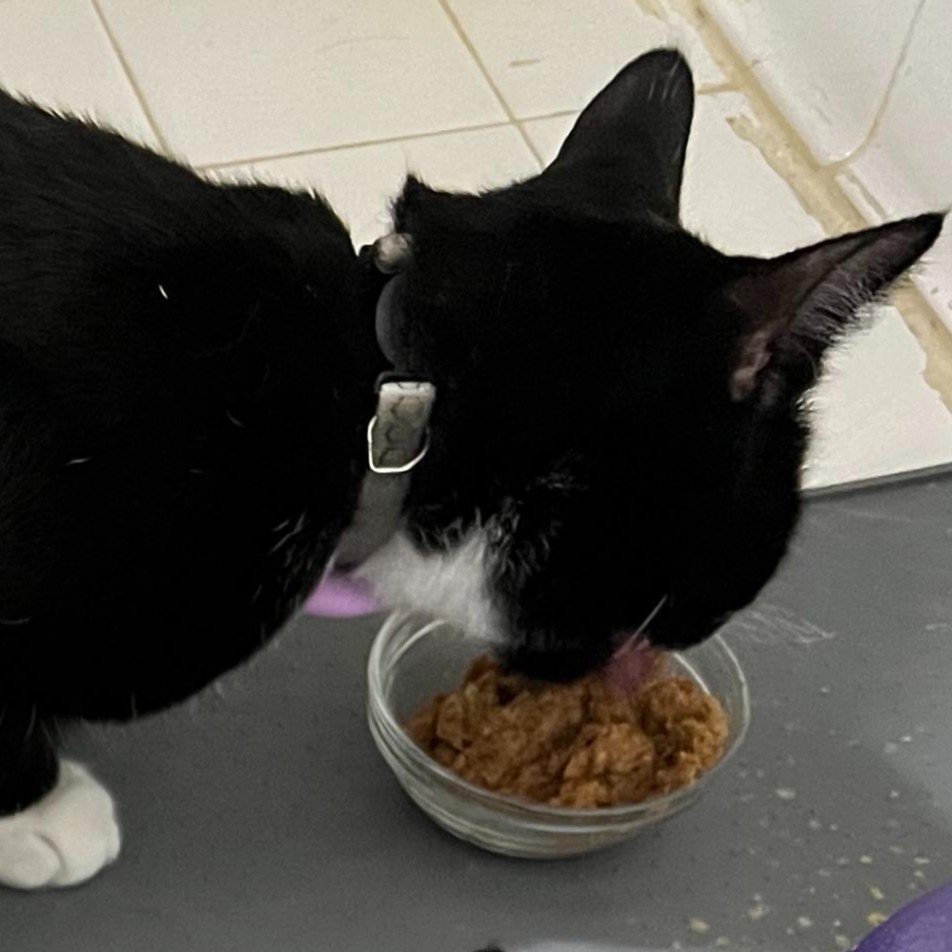
A new study has found microplastics in more than three-quarters of popular pet food products tested, with wet food posing a particularly high daily intake burden for dogs and cats.
The research, led by Emily Thrift at the University of Sussex and published in Environmental Toxicology and Chemistry, tested 38 products from 19 major UK brands, including Whiskas, Iams, Lily’s Kitchen, Tesco, Sainsbury’s, and Waitrose, across dog, cat, and hedgehog foods. Six replicate samples were taken from each product for a total of 228 samples.
At the product level, 76.3% (29 of 38) had at least one positive sample. At the brand level, 84.2% of brands had at least one contaminated product. Of individual samples, 27.6% tested positive for microplastics.
The particles ranged in size from 0.09 to 3.8 millimeters, with an average of 0.47 millimeters. About 60% were fibres and 40% were fragments. The most common polymer was polyester (28.1%), followed by polyacrylamide (15.9%), polypropylene (10.6%), and polyethylene (8.5%).
By source category, 38% came from textiles, 33% from industrial sources, 26% from packaging, and 3% from additives.
Wet versus dry
Dry food had higher microplastic concentration per gram, mean 0.4 particles per gram (SD 0.84) versus 0.3 per gram (SD 0.62) for wet food. But because pets must eat much larger quantities of wet food to meet their energy requirements, the daily intake burden is actually higher for wet-fed animals.
For a large dog (35 kg) fed wet food, the moderate estimate is 313 microplastic particles per day, and a worst-case scenario reaches 2,314 per day. For a cat (4 kg) on wet food, the moderate estimate is 144 particles per day.
Which products had more
Products labeled as containing “meat and animal derivatives” fared worst, 90% had at least one positive sample, and the three worst-performing products (5 of 6 samples positive) all contained this ingredient category. Only chicken-flavored products were tested for consistency.
Value-range products had significantly more microplastics than premium products (p = 0.0004). Some products were entirely clean (0 of 6 samples), including Iams 7 Year+ chicken wet cat food and Lily’s Kitchen Tasty Cuts in Gravy chicken wet cat food.
Sources and implications
The sources of contamination remain unclear, they could be from ingredients, packaging, or processing. The study did not assess health impacts directly, but the authors note that microplastics can carry adsorbed toxins including pesticides and hormone-disrupting chemicals. Laboratory studies have linked microplastic ingestion to oxidative stress, disrupted organ function, and accelerated spread of gut cancer cells.
An environmental concern raised by the team is that microplastics in pet food inevitably enter the environment through feces. UK dogs produce an estimated 599,000 tons of feces per year; cats another 138,000 tons. Approximately 44% of cats defecate outdoors at least 75% of the time, and 15% of dog feces is composted or left in the environment.
“The results show that our pets are being exposed to microplastics through their food,” said Tamara Galloway, professor of ecotoxicology at the University of Exeter and a co-author of the study. “We need urgent research to understand what this means for their health.”
Source: Thrift, E. et al. (2026) “Microplastic prevalence in commercially available petfoods.” Environmental Toxicology and Chemistry. DOI: 10.1093/etojnl/vgag130.