

Meta has been upgrading its AI image generation capabilities through its Superintelligence Labs, positioning the technology as a direct competitor to OpenAI’s ChatGPT with DALL-E integration and Google’s Imagen-powered tools. But hands-on comparisons of the upgraded Meta AI against its rivals reveal a clear dividing line: Meta’s offering is optimized for the social media ecosystem it was born into, while ChatGPT maintains advantages in professional-grade output quality and control.
Meta AI, powered by the Muse Spark model developed by Meta’s Superintelligence Labs, is built directly into WhatsApp, Instagram, Facebook and Messenger — making it the most accessible free AI image generator on the market by user reach. It can produce images through natural language prompts and is tightly integrated with the platform’s social features, including the ability to reference friends’ public Instagram content. The service is entirely free, with no subscription tier, a deliberate strategy to drive engagement across Meta’s app ecosystem.
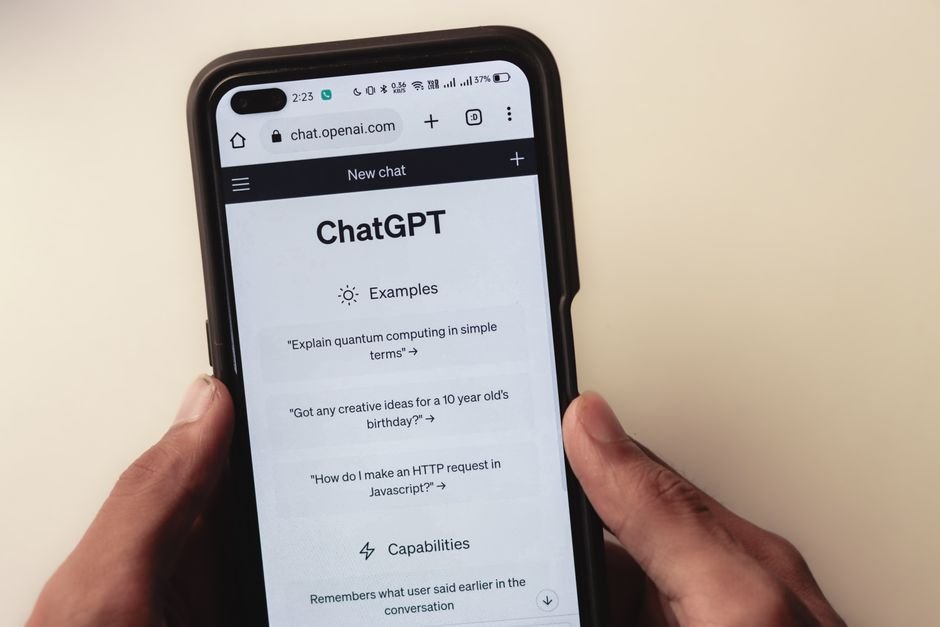
ChatGPT, running GPT-5.5 with its integrated DALL-E 2.0 image generation, takes a different approach. It offers a dedicated productivity-focused interface with canvas-based editing, higher resolution output, more consistent style reproduction, and better handling of text within generated images — a known weakness of most AI image generators. The trade-off is the $20 monthly subscription for the Plus tier, though a free tier with more limited capabilities is available.
The most significant differences emerge in practical testing. ChatGPT’s image generation produces more consistent results across repeated prompts, with fewer artifacts and better adherence to complex multi-element descriptions. Meta AI, while faster and more creative in certain styles, shows more variability in output quality and struggles with photorealistic renderings and precise compositional requests.
Where Meta AI holds a clear advantage is in social media-native features. Its understanding of Instagram-style aesthetics, ability to generate content that feels native to social feeds, and integration with existing sharing workflows make it the better choice for users creating social media content. ChatGPT is better suited for professionals who need reliable, high-quality image generation for marketing materials, product visualizations, or any use case where output consistency matters.
Both platforms continue to improve rapidly. Meta’s Muse Spark has received multiple updates since its launch, narrowing the quality gap with each iteration. OpenAI’s DALL-E 2.0, meanwhile, has improved its understanding of long, complex prompts and its ability to handle specific artistic styles.
The comparison ultimately reflects the different strategic priorities of the two companies. Meta is building AI as a feature of its social platform — free, accessible, and designed to keep users engaged within its ecosystem. OpenAI is building AI as a productivity tool — subscription-funded, focused on output quality, and designed for professional use.
Sources: I matched the upgraded Meta AI against ChatGPT (TechRadar, Jul 13, 2026); Meta AI vs ChatGPT 2026 comparison (ClickUp, Jun 3, 2026)