

This is a follow-up to this morning’s article on Iran’s funeral plans for Khamenei (iran-khamenei-funeral-plans-july-2026). What follows is the next chapter in that story.
The funeral for Iran’s late Supreme Leader Ali Khamenei began in earnest on Saturday, with millions of mourners pouring into the streets of Tehran on the first day of a six-day ceremony that organizers say could draw up to 30 million people across the country. The scale of the gathering exceeded even the most optimistic predictions.
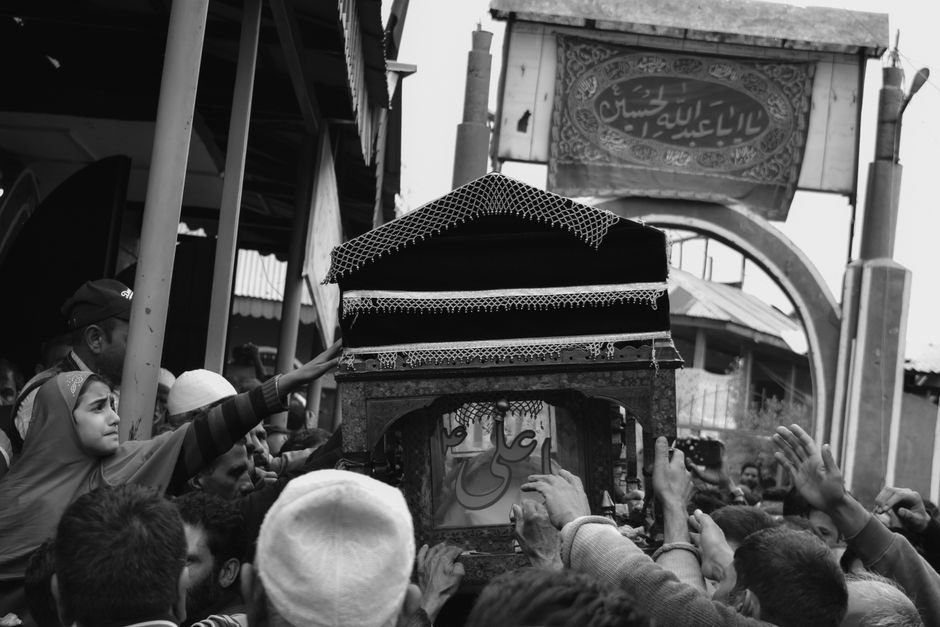
Khamenei’s body was brought to the Tehran Mosalla prayer hall early Saturday morning, where it will lie in state for two days. The crowds began assembling before dawn, filling the streets around the prayer hall and stretching for kilometers in every direction. Witnesses described a sea of black-clad mourners, many beating their chests and chanting slogans in a traditional display of Shia grief.
The scene was reminiscent of the 1989 funeral of Ayatollah Ruhollah Khomeini, when an estimated 10 million people turned out. The crowds on Saturday may have surpassed that number on the first day alone. Tehran’s municipality had prepared for close to 20 million visitors, setting up emergency medical stations, water distribution points, and temporary sanitation facilities across the city.
The funeral comes four months after Khamenei was killed in a joint US-Israeli airstrike on February 28. The delay was driven by the ongoing war and security concerns. Officials had feared that a mass gathering could be targeted by aerial strikes or could trigger a crowd crush similar to the one that killed at least 56 people at Qasem Soleimani’s funeral in 2020. The regime has established no-fly zones over the procession routes and deployed thousands of security personnel.
The ceremony will unfold across several cities over the coming days. After lying in state in Tehran on July 4 and 5, a funeral procession will move through the capital on July 6. Ceremonies will follow in the holy city of Qom on July 7 and in Najaf and Karbala in Iraq on July 8, before the body returns to Iran for burial on July 9 at the shrine of Imam Reza in Mashhad, Khamenei’s hometown.
The political significance of the funeral goes beyond the mourning. The size of the crowds will be read as a measure of the regime’s legitimacy at a time when it is fighting a war, managing a collapsing economy, and facing internal dissent. For the Islamic Republic, a large turnout is a visible demonstration that the system still commands the loyalty of millions, even after the loss of its leader. The fact that the turnout appears to be enormous, despite four months of war and economic hardship, is a data point the regime will use to argue that it retains the support of the population.
Khamenei’s son and successor, Mojtaba Khamenei, has not appeared publicly since the February strike that killed his father and several family members. He was reportedly injured in the same attack and has communicated only through written statements. His absence from the funeral has fueled speculation about his health and the stability of the succession. Some analysts question whether he possesses the authority his father commanded, particularly with the Revolutionary Guard holding substantial independent power after the war.
For the international community, the funeral is a reminder that while the leadership changed in February, the Islamic Republic remains intact. Whether the funeral serves as a moment of national unity or a catalyst for deeper questions about the country’s direction depends on what happens after the crowds go home.