

Published: June 02, 2026, 01:24 UTC
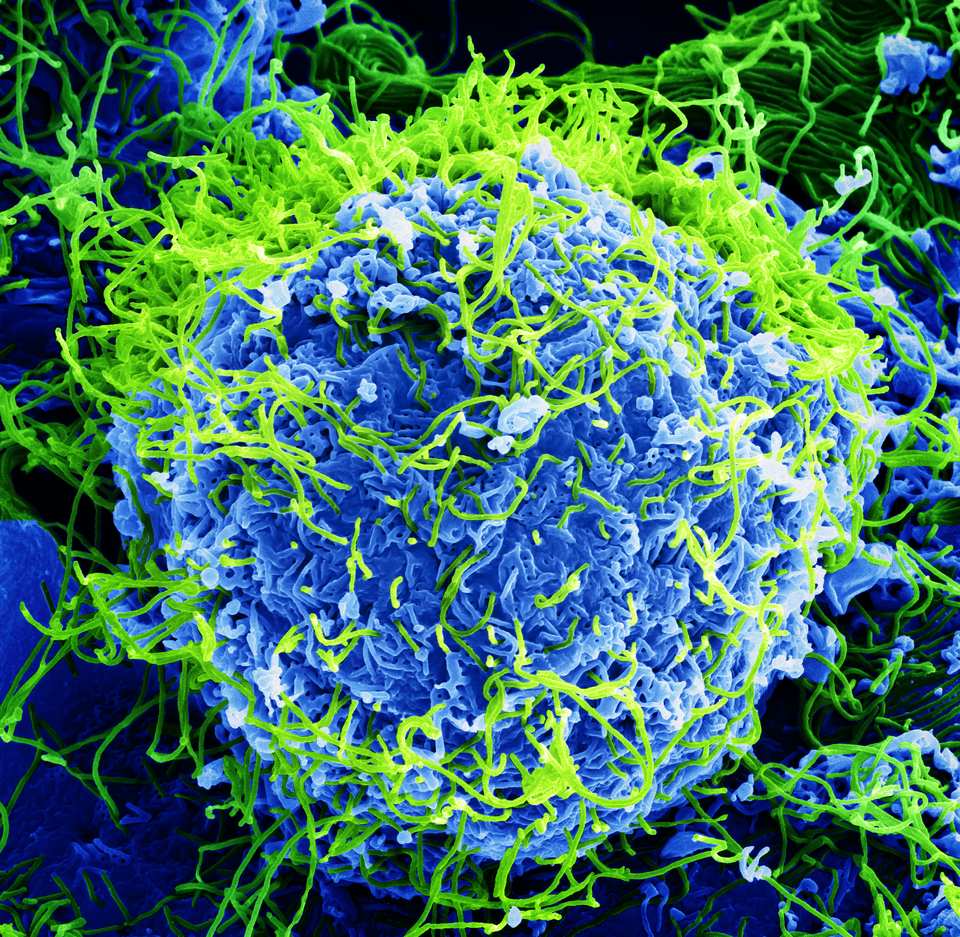
The current outbreak of Bundibugyo ebolavirus — a rare and severe strain of Ebola for which no licensed vaccine or treatment exists — has now surpassed 290 confirmed cases across two countries. The World Health Organization declared a Public Health Emergency of International Concern (PHEIC) on May 17. On June 1, the Coalition for Epidemic Preparedness Innovations (CEPI) committed up to $62 million to fast-track three vaccine candidates into clinical trials as rapidly as possible.
The scale of the response — three distinct vaccine platforms funded simultaneously — reflects both the urgency of the outbreak and the reality that no one knows which approach will work first.
The Outbreak
Bundibugyo ebolavirus (BDBV) is one of six known species in the Ebolavirus genus. Previously, it had caused only two documented outbreaks: Uganda in 2007–2008 (149 cases) and the Democratic Republic of the Congo in 2012 (57 cases). The current outbreak, which began in early May in the Ituri Province of eastern DRC, is already more than five times larger than any previous BDBV outbreak.
As of June 1, the numbers stand at:
- DRC: 282 confirmed cases, 42 confirmed deaths, approximately 220 suspected cases under investigation
- Uganda: 9 confirmed cases, 1 death, with border closures imposed May 27
- At least 17 health zones in DRC affected, spanning Ituri, Nord-Kivu, Sud-Kivu, and reaching Kinshasa — the capital city of 17 million
- The outbreak has crossed into Uganda (Kampala and Rwampara district), raising international spillover risk
Unlike the Zaire ebolavirus strain — which caused the catastrophic 2014–2016 West Africa outbreak and has two licensed vaccines (Merck’s Ervebo and Johnson & Johnson’s Zabdeno/Mvabea) — Bundibugyo has no approved countermeasures. The virulence appears comparable to Zaire ebolavirus, but the scientific infrastructure to combat it is far thinner.
The Three Vaccines
CEPI’s funding covers three candidates on different platforms, an intentional portfolio strategy designed to hedge against the possibility that any single platform fails in humans or cannot be manufactured at scale fast enough.
Moderna (mRNA) — Up to $50 Million
The largest allocation goes to Moderna, which will develop an mRNA-based vaccine encoding the Bundibugyo virus glycoprotein. The platform is the same technology used in Moderna’s COVID-19 vaccine, Spikevax — lipid nanoparticle-encapsulated mRNA that instructs cells to produce the viral glycoprotein, triggering an immune response. The funding covers preclinical development and a Phase 1 clinical trial.
CEPI had previously awarded Moderna and the University of Oxford a combined $26.7 million in January 2026 for broader, multivalent Ebola mRNA and viral vector vaccines. This new commitment focuses specifically on a monovalent BDBV-targeted mRNA candidate.
Oxford / Serum Institute of India (ChAdOx1) — Up to $8.6 Million
The Oxford Vaccine Group will develop a vaccine using the ChAdOx1 platform — a chimpanzee adenovirus vector carrying the Bundibugyo glycoprotein gene. This is the same technology that produced the Oxford-AstraZeneca COVID-19 vaccine (Vaxzevria).
The funding covers preclinical testing, manufacturing scale-up at both Oxford’s Clinical BioManufacturing Facility and the Serum Institute of India in Pune (the world’s largest vaccine manufacturer by volume), and Phase 1 trial preparation. Oxford is aiming to begin clinical trials within 2 to 3 months — potentially the fastest timeline of the three candidates, given the platform’s established regulatory and manufacturing pathways.
IAVI / UTMB (rVSV) — $3.2 Million
The third candidate uses the recombinant vesicular stomatitis virus (rVSV) platform — the same technology underlying Merck’s licensed Ervebo (Zaire ebolavirus) vaccine. The work will be led by virologist Dr. Thomas Geisbert at the University of Texas Medical Branch, who pioneered rVSV-based vaccines for both Zaire and Bundibugyo ebolaviruses.
The WHO has identified the rVSV-BDBV candidate as the most promising in the current pipeline and recommended it be prioritized for clinical evaluation. However, the WHO estimates it will take 7 to 9 months before the vaccine is ready for human testing — the longest timeline of the three, reflecting earlier-stage development.
The International AIDS Vaccine Initiative (IAVI) will manage the program.
Why Three Candidates?
Vaccine development against a novel viral strain is inherently uncertain. Even a well-characterized platform like rVSV may need sequence optimization for a different glycoprotein. The mRNA platform is fast but carries cold-chain challenges. The ChAdOx1 vector is proven at manufacturing scale but has never been deployed against BDBV.
By funding all three in parallel, CEPI aims to compress years of sequential vaccine development into months — a strategy that paid off during the COVID-19 pandemic, when multiple platforms were developed simultaneously rather than in the traditional linear pipeline.
“The question is not which platform is best in theory,” said Dr. Richard Hatchett, CEO of CEPI, in the announcement. “The question is which one can deliver a safe, effective, and scalable vaccine in time to make a difference in this outbreak. We don’t know the answer, so we’re pursuing all plausible options.”
The Challenge
The logistical reality is sobering. Even with accelerated timelines, the earliest any of these vaccines could enter human trials is late summer 2026 (Oxford/ChAdOx1). The rVSV candidate may not be ready until early 2027. By that point, without effective containment measures, the outbreak could have grown substantially.
The outbreak epicenter in Ituri Province borders areas with active armed conflict, complicating contact tracing and surveillance. The spread to Kinshasa — a densely populated city of 17 million — introduces the risk of sustained urban transmission. Uganda’s four-week border closure, announced May 27, may slow cross-border spread but cannot eliminate it entirely.
For now, outbreak control relies on conventional public health measures: case identification, contact tracing, safe burials, and community engagement. The vaccines, if they arrive in time, would add a critical layer of protection — particularly for healthcare workers and outbreak responders who face the highest exposure risk.
Sources: CEPI press release, June 1, 2026; WHO PHEIC declaration, May 17, 2026; STAT News reporting by Helen Branswell, June 1, 2026; DRC Ministry of Health situation reports; Uganda Ministry of Health updates.