

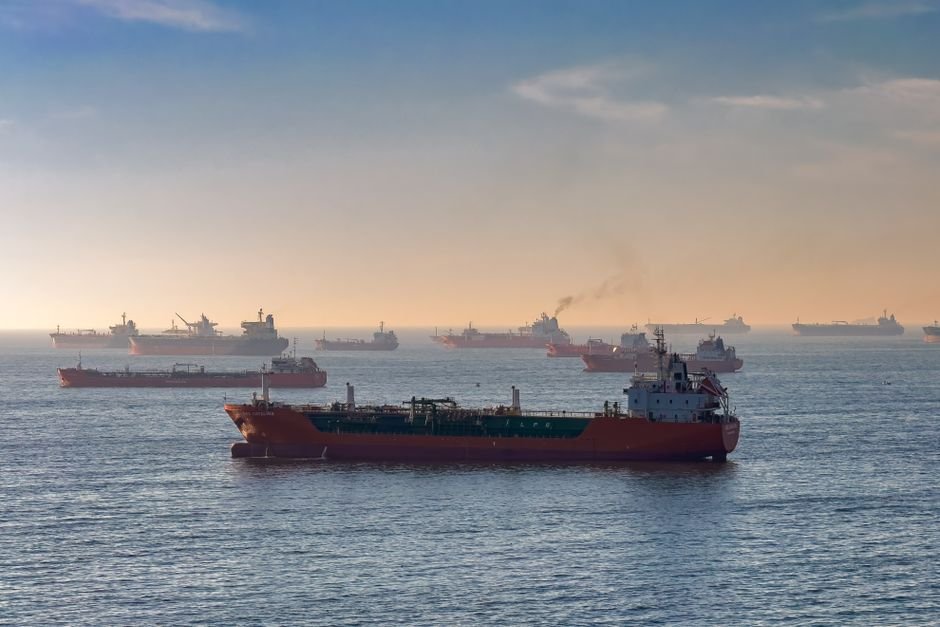
When Iran closed the Strait of Hormuz in March, the predictions were dire. Oil at $200 a barrel. Global supply chains in chaos. A recession triggered by the blockade of the world’s most important energy chokepoint.
None of it happened. Shipping survived the Iran war. And as the conflict winds down, the industry is quietly returning to business as usual, battered, more expensive, but fundamentally unchanged.
What the war did
Iran’s Feb. 28 closure of the strait to Western-allied vessels was the most severe disruption to global shipping since the Suez Canal blockage in 2021. In the first two weeks, 21 commercial vessels were attacked. Container rates on the Asia-Gulf lane doubled overnight. Brent crude spiked to $126 a barrel. The shock was real.
But the shipping industry is built for shocks.
“The industry known for its resilience is likely to emerge from war relatively unchanged,” analysts at multiple firms told Al Jazeera. The prediction held. Four months later, the strait is still dangerous, Iran fired missiles at commercial ships as recently as Monday night, but global trade has found ways around it.
How the industry adapted
The main strategy was rerouting. Ships that would have passed through the Gulf instead went around the Cape of Good Hope, adding 10 to 14 days to transit times. This reduced capacity on key routes, pushed up freight rates, and created congestion at Asian ports, but it kept goods moving.
Insurers raised premiums for vessels transiting the Gulf of Oman. Some carriers stopped taking bookings through the region entirely. But others stepped in to fill the gap, often at higher rates that the market absorbed.
The notion that the Strait of Hormuz is “the world’s most important chokepoint” turns out to be true only if you assume it cannot be bypassed. It can. The cost is higher, the journey is longer, and the insurance is more expensive. But the ships keep sailing.
The deeper reason
The shipping industry’s resilience is not accidental. Global supply chains are designed for redundancy. The companies that move the world’s goods have spent decades building flexibility into their networks, multiple routes, multiple suppliers, multiple hubs.
The Iran war was a brutal test of that flexibility. It passed. Not because the war was not disruptive, it was. But because the shipping industry treats disruption as a cost of doing business, not an existential threat.
What comes next
Shipping is not returning to the pre-war world. Rates remain elevated. The Strait of Hormuz is still not fully safe, Monday night’s missile attacks prove that. Some routes have been permanently altered as shippers diversify away from Gulf exposure.
But the worst predictions did not come true. No global recession. No oil shock. No collapse of the container market. The industry that carries 90% of the world’s trade kept carrying it, through a war that was supposed to break the system.
That is not a happy ending. It is a reminder that global capitalism is harder to break than the headlines suggest, and that the people who bet on chaos as a weapon consistently underestimate the resilience of the networks they try to destroy.