

Published: June 02, 2026, 00:36 UTC
CHICAGO — When a newspaper headline says a drug “strips cancer cells of their invisibility cloak,” the metaphor carries more scientific truth than most readers realize. But the actual mechanism is both subtler and more elegant than cloaks.
The data presented June 1 at the American Society of Clinical Oncology (ASCO) 2026 annual meeting in Chicago concerns a drug called GRWD5769 — a first-in-class, oral small molecule inhibitor of the enzyme ERAP1. And the story of how cancer hides, and how this drug unmasks it, is a story about the immune system’s most intimate surveillance system.
The Peptide Show-and-Tell
Every cell in your body is constantly performing a kind of molecular show-and-tell. Inside the cell, proteins are broken down into short peptide fragments. Some of these fragments are loaded onto MHC Class I molecules — molecular display cases that are then presented on the cell surface for inspection by patrolling CD8+ T cells.
This is how the immune system detects trouble. If a cell has been infected by a virus, or if its DNA has accumulated cancer-driving mutations, the telltale peptides wind up on display. T cells see something foreign and eliminate the cell.
But cancer cells evolved a workaround. The enzyme ERAP1 (Endoplasmic Reticulum Aminopeptidase 1) sits inside the cell’s endoplasmic reticulum and trims peptide fragments before they’re loaded onto MHC-I. By subtly altering how ERAP1 processes these peptides, cancer cells can shift which fragments get presented — effectively hiding their mutational signature from T cells while still displaying a full complement of normal-looking peptides.
“They’re not hiding entirely — that would trigger alarm bells,” explains Prof. Fiona Thistlethwaite of The Christie NHS Foundation Trust and the University of Manchester, principal investigator of the EMITT-1 trial. “They’re selectively editing which antigens appear on their surface, like a speaker choosing which slides to show at a presentation.”
How the Drug Works
GRWD5769, developed by the Oxfordshire-based biotech Greywolf Therapeutics, is an oral ERAP1 inhibitor taken twice daily. By blocking ERAP1, the drug forces cancer cells to present a different repertoire of peptide antigens on their MHC-I molecules — one that includes the tumor-specific mutations they’d been editing out.
This “unmasks” the cancer, allowing CD8+ T cells to recognize and attack it.
The regimen uses an unconventional intermittent dosing schedule — three weeks on, three weeks off — that appears to increase the diversity of antigens presented over time. Each on-cycle produces a different antigen repertoire, broadening the T cell response. GRWD5769 is combined with cemiplimab (Libtayo, Regeneron/Sanofi), a PD-1 checkpoint inhibitor that prevents the newly activated T cells from being turned off by the tumor’s standard immune-suppression tactics.
The Data
The Phase 1b expansion cohort data comes from 83 patients across six tumor types, all of whom had previously failed anti-PD-1 therapy — meaning standard immunotherapy had already stopped working for them.
Across all cohorts:
- 15 of 83 patients (18%) achieved a partial response (at least 30% tumor reduction per RECIST criteria)
- 26 of 83 (31%) experienced measurable tumor shrinkage below the RECIST threshold
- Median progression-free survival: 5.3 months
- Median overall survival: 15 months
- Median duration of response: 3.7 months
The six cancer types studied were cervical, bladder, head and neck squamous cell carcinoma (HNSCC), hepatocellular carcinoma (liver), non-small cell lung cancer (NSCLC), and microsatellite stable colorectal cancer (MSS-CRC).
The MSS-CRC cohort is particularly notable. Colorectal cancers with microsatellite stability — about 85% of all CRC cases — are notoriously resistant to immunotherapy. They lack the high mutational burden that makes MSI-high tumors sensitive to checkpoint blockade. Seeing any responses in this population from an oral pill is genuinely novel.
Caveats and Context
This is Phase 1b data — early-stage, single-arm, no control group. The sample size is small. The 18% response rate is modest in absolute terms, though it should be read against the fact that every patient in the trial had already progressed on PD-1 inhibitors. A response rate in the teens in a PD-1 refractory population, across multiple tumor types, is what makes these results worth watching.
The drug is also an oral tablet — a meaningful practical advantage. Most immunotherapies are intravenous infusions requiring clinic visits. An oral agent that can be taken at home, even on an intermittent schedule, shifts the treatment burden meaningfully.
The EMITT-1 trial has now advanced to Phase 2a. Greywolf Therapeutics has raised $113 million from Canaan, Earlybird, and Pfizer.
The Broader Picture
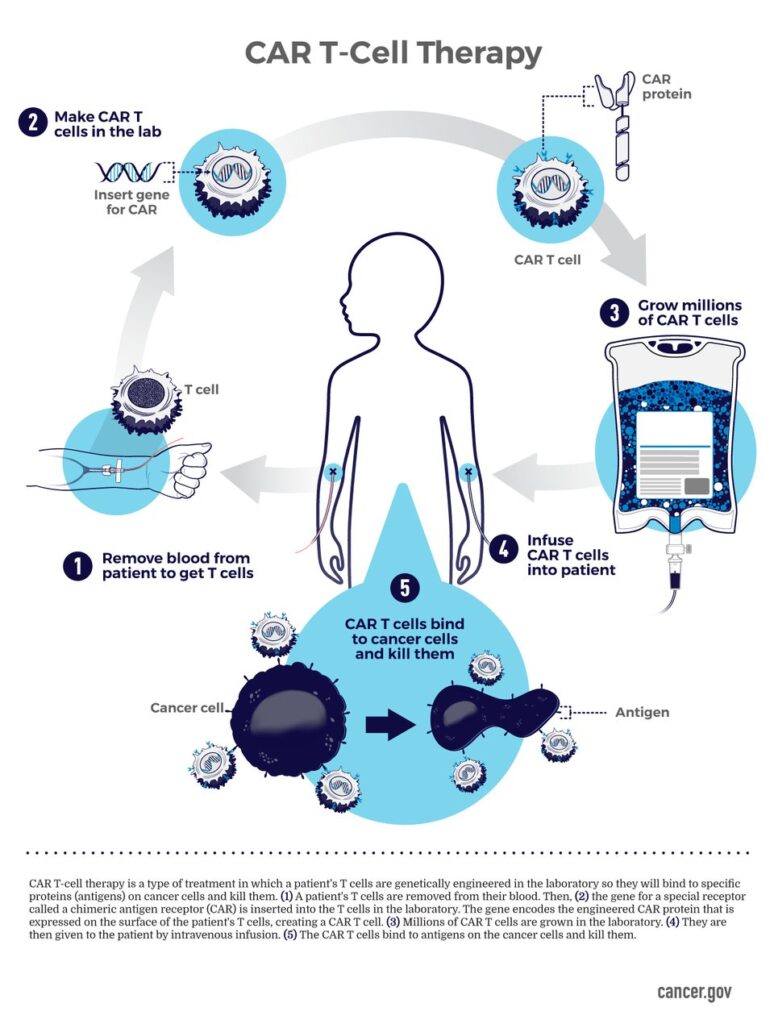
ERAP1 inhibition represents a fundamentally different approach to immunotherapy. Most current cancer immunotherapies work by releasing the brakes on the immune system — checkpoint inhibitors like pembrolizumab and nivolumab remove the PD-1 signal that tumors use to turn T cells off. CAR-T therapy engineers entirely new T cells. But ERAP1 inhibition works upstream, at the level of antigen presentation itself.
“It’s a different axis,” says Thistlethwaite. “Instead of taking the brakes off the immune response, we’re making sure the immune system can actually see the target in the first place.”
The ERAP1 field has been building for years. Greywolf’s preclinical work, and a Best Poster award at ESMO 2025, laid the groundwork for this clinical readout. But the ASCO 2026 presentation is the first substantial human data — and it suggests the mechanism translates.
Whether ERAP1 inhibitors will work broadly, or only in specific tumor contexts, remains an open question. The answer will come from the ongoing Phase 2a expansion and from a growing pipeline of ERAP1-targeted programs now entering the clinic.
Disclosure: This article is based on ASCO 2026 Abstract #2500, a conference presentation that has not yet been published in a peer-reviewed journal. Published in the Journal of Clinical Oncology 2026, Vol 44, No 16_suppl (DOI: 10.1200/JCO.2026.44.16_suppl.2500).