

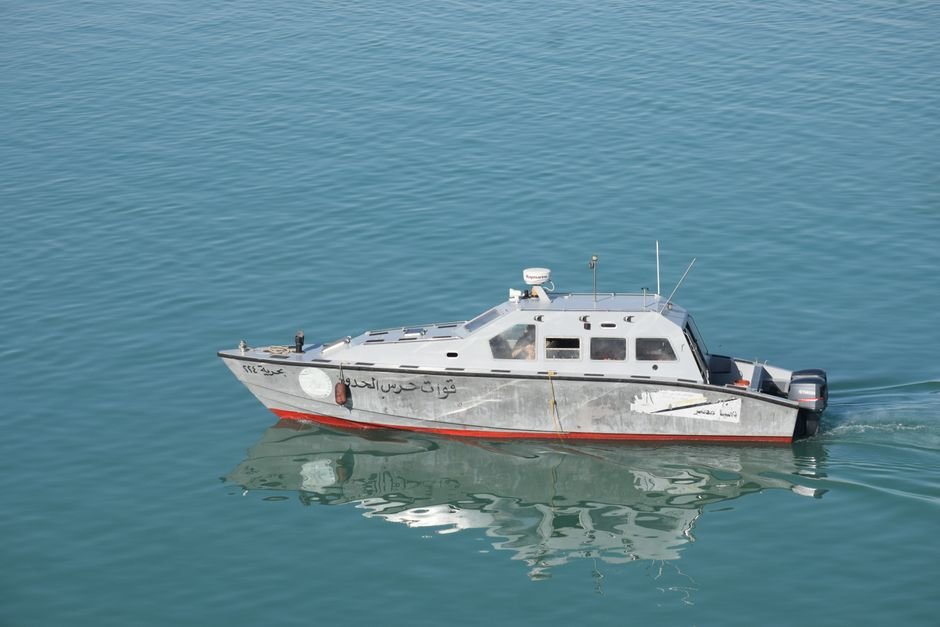
Beijing has established a regular coast guard presence in waters east of Taiwan for the first time, quietly expanding its maritime encirclement of the island through a gray-zone campaign timed to maximize leverage before the next Trump-Xi summit.
The move began in early June, when China deployed Coast Guard vessels to conduct independent law enforcement patrols in waters that have traditionally been considered Taiwan’s rear area, a low-pressure zone where Beijing had not previously asserted direct jurisdictional claims. By early July, the patrols had become routine, including vessel inspections and fisheries protection operations.
The numbers show the shift. Between January and May, an average of roughly one Chinese official ship, mostly Coast Guard, operated around Taiwan daily. After June 1, that average jumped to 5.2, reaching 10 vessels on June 9. The increase is all the more striking because it came during a period when military aircraft activity around Taiwan remained generally stable.
The China Coast Guard was transferred to People’s Armed Police command under the Central Military Commission in 2018, acquiring militarized capabilities while keeping a law-enforcement label. This dual character makes it an ideal gray-zone tool: it applies sustained pressure without crossing the threshold of war.
Beijing’s timing is strategic. The Philippines and Japan announced formal negotiations in late May to delimit their exclusive economic zones and continental shelves, waters that overlap substantially with the area east of Taiwan. By deploying the Coast Guard there, China is establishing facts on the water before any boundary agreements take shape.
Two more Trump-Xi meetings are expected in 2026, a Xi visit to the US in September and the APEC summit in November. Beijing views Trump as a negotiator who respects leverage and is willing to pay for it. The coast guard deployments are a form of leverage: the longer Washington holds off on announcing a reported $14 billion arms sale package to Taiwan, a package the White House has twice delayed to avoid derailing summits, the deeper China’s maritime presence becomes.
The Diplomat reported that Beijing was impatient to cement its presence east of Taiwan because subsequent events may give China a pretext to intercept vessels bound for Taiwan under the guise of quarantine and law enforcement.
The expanded patrols also test the US First Island Chain strategy at a moment when American military resources are heavily committed to the conflict with Iran. Washington’s most realistic response, analysts say, is to work behind the scenes pushing Tokyo and Manila to strengthen their security cooperation, a slow process that China is exploiting in real time.