

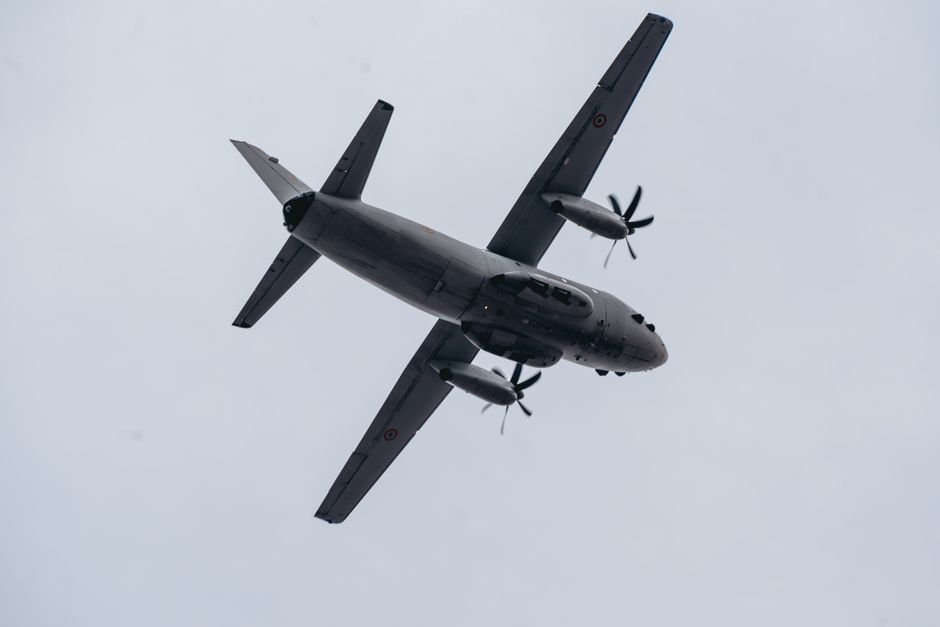
For three days straight, Romania has shot down a Russian drone over its territory. The pattern is new. The incursions are not.
A Romanian F-16 pilot intercepted and destroyed a drone about 12 kilometers northeast of Sulina, over Romanian territorial waters in the Black Sea, the defense ministry said Sunday. The drone was flying close to the border with Ukraine, the same corridor used by the two previous incursions. Romanian prosecutors examined the wreckage from Friday’s shootdown and confirmed it was a Shahed drone, the Iranian-made type Russia uses daily against Ukraine.
The first shootdown came Friday, about 114 kilometers from the capital, Bucharest. The second came Saturday, 9.6 kilometers west of Sfantu Gheorghe in the Danube Delta. The Sunday shootdown was the third. Romanian President Ilie Bolojan called the breaches “intolerable.” Romania summoned the Russian envoy, a diplomatic step that carries little weight when the drones keep coming.
Romania has detected dozens of Russian drone incursions since the full-scale war began in 2022. For most of that period, it did nothing but monitor them. The drones either crashed in uninhabited areas or flew back toward Ukraine. That changed in May, when a drone hit an apartment building in the border city of Galati, injuring two people, the first time a NATO country’s civilian area was struck by a Russian drone. Romania’s parliament passed a law allowing the military to shoot down intruding drones.
Now it is using that authority every day.
The pattern raises a question NATO has avoided for years. If a Russian drone can enter Romanian airspace three times in three days, what is the alliance’s actual response? The answer so far is: one F-16 per drone, and a summons for the Russian ambassador. That is more than Romania did before May, but it is still less than Article 5 defense in practice. It is reactive, not preventative.
Romania is a NATO member. It hosts an allied missile defense base and serves as a transit hub for Western weapons going into Ukraine. Russia’s drones do not need to hit a Romanian city to demonstrate that the war’s borders are wider than the front lines in eastern Ukraine. They have already made that point by crossing the line three days in a row.