

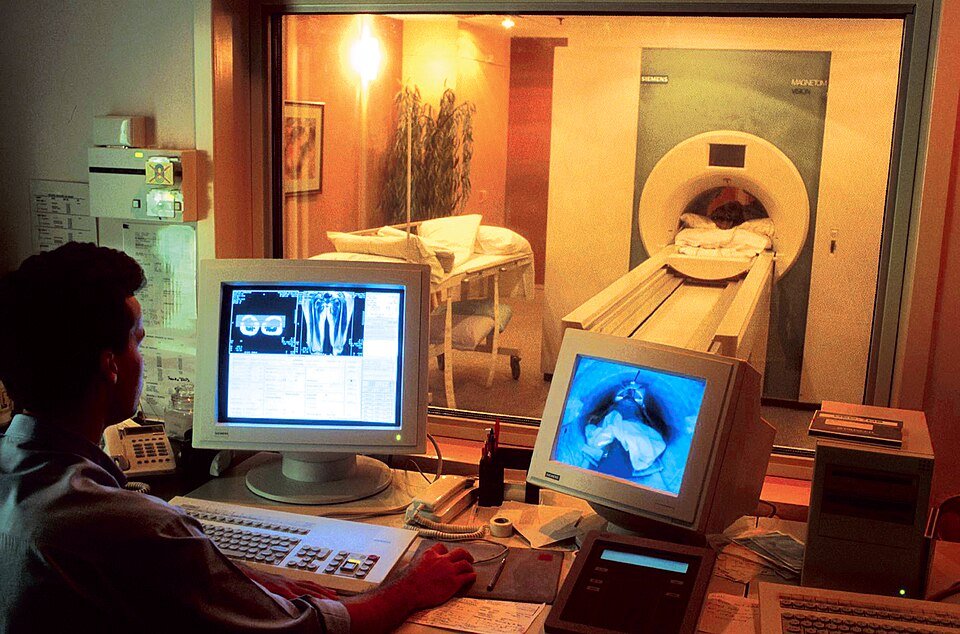
Poor sleep quality in insomnia disorder may impair working memory through a two-step neural pathway involving glymphatic dysfunction and disrupted subcortical structure-function coupling, according to a multimodal MRI study of 391 patients published in Psychological Medicine.
Working memory deficits are a frequent complaint among people with insomnia, but the underlying brain mechanisms have remained unclear. Researchers at Southwest University in Chongqing, China used diffusion tensor imaging (DTI) and functional MRI to trace the chain from poor sleep to reduced cognitive performance.
What they found
The team measured sleep quality with the Pittsburgh Sleep Quality Index (PSQI), glymphatic clearance with the DTI-ALPS index (a marker of fluid flow along perivascular spaces), structural-functional coupling (SFC) across brain networks, and working memory with the Digit Span Backward task.
Key results:
- Worse sleep quality correlated with lower DTI-ALPS scores (r = -0.17, p = 0.006), indicating reduced glymphatic clearance in poorer sleepers
- Lower DTI-ALPS was linked to weaker global structural-functional coupling (r = 0.32, pFDR < 0.001), but global SFC did not directly correlate with working memory performance
- Specifically within the subcortical network, SFC (Sub-SFC) correlated with both DTI-ALPS (r = 0.29, pFDR < 0.001) and working memory (r = 0.28, pFDR < 0.001)
- Mediation analysis confirmed a significant indirect pathway: PSQI to DTI-ALPS to Sub-SFC to working memory performance (indirect effect = -0.074)
Why it matters
This study provides the first evidence of a serial neural pathway linking poor sleep to working memory decline in insomnia disorder. The DTI-ALPS index and subcortical structural-functional coupling could become clinically useful biomarkers for identifying patients at risk of cognitive decline before significant memory problems emerge.
The findings also support the growing recognition that the glymphatic system — the brain’s waste clearance pathway, most active during sleep — plays a critical role in cognitive health.
Limits
All participants had insomnia disorder; there was no healthy control group for comparison. The cross-sectional design cannot establish causality. PSQI is a self-report measure of sleep quality, and objective sleep measures (polysomnography) were not used.
Bottom line
Poor sleep quality in insomnia appears to impair working memory through a cascade involving reduced glymphatic clearance and weakened connectivity within subcortical networks. DTI-ALPS and subcortical structural-functional coupling may serve as early biomarkers of cognitive vulnerability in insomnia disorder.
Source
Lv Z, et al. DTI-ALPS and subcortical structural-functional coupling mediate the impact of sleep quality on working memory in insomnia disorder. Psychol Med. 2026 Jun 19;56:e201. DOI: 10.1017/S0033291726104188. PMID: 42317112.