

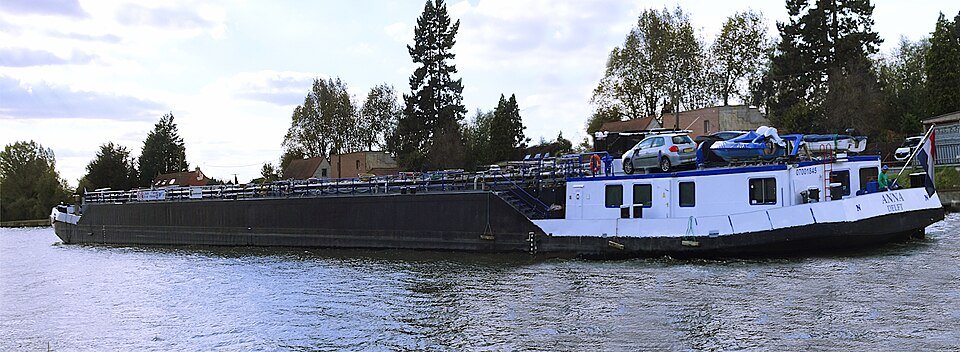
The first Iranian oil tankers in two months have sailed out of the US Navy blockade perimeter in the Strait of Hormuz, three days before Washington and Tehran are due to open formal peace talks in Switzerland. The movement is the most concrete sign yet that the ceasefire framework signed last week is being implemented on the water, not just on paper.
TankerTrackers, the maritime intelligence firm that monitors oil shipments by satellite, reported that at least two Very Large Crude Carriers belonging to the National Iranian Tanker Company, the Diona and the Hero2, had exited the blockade zone carrying a combined 3.8 million barrels of Iranian crude. A third tanker followed shortly after. The company called it Iran’s first crude oil exports in two months, ending a period in which the country’s primary revenue source was effectively cut off by the US Navy’s enforcement of wartime sanctions.
The timing is no accident. On Friday, US and Iranian negotiators are scheduled to meet at the Burgenstock mountain resort in Switzerland to begin formal talks on a final peace agreement. The framework deal was signed electronically last week by President Donald Trump, Vice President JD Vance, Iran’s deputy foreign minister Majid Takht-Ravanchi, and top negotiator Mohammad Bagher Ghalibaf. It provides for a 60-day negotiation window during which decisions are expected on Iran’s nuclear program and the removal of international economic sanctions.
Oil markets reacted immediately. Brent crude fell to $78.74 a barrel on Wednesday, and West Texas Intermediate dropped to $75.85, as traders priced in the expected reopening of the Strait of Hormuz. The waterway carries about a fifth of the world’s daily oil supply, and its closure since late February, when US and Israeli strikes triggered the war, had pushed prices sharply higher. A sanctions waiver covering oil sales, banking, transport, and insurance is set to take effect as soon as the deal is signed.
The framework was reached after weeks of indirect talks mediated by Pakistan and Qatar, two countries that maintain diplomatic lines to both Washington and Tehran. Neither side has released the full text, but leaked summaries describe a 14-point memorandum of understanding that includes Iran’s pledge never to produce nuclear weapons, the immediate reopening of the Strait of Hormuz, and a US commitment to end all American and UN sanctions if a final agreement is reached. A $300 billion reconstruction fund for Iran was reportedly discussed, though Trump denied any US guarantee of financial contributions.
Araghchi struck a guarded tone when asked about the talks. “We have a history of broken commitments,” he said. “We have a history of agreements being torn up. All of this is present in our minds.” That caution is widely shared in Tehran. The ultraconservative newspaper Vatan-e Emrooz called the framework a “Trump surrender document,” underscoring the domestic political risk for Iranian negotiators who must convince hardliners that the deal does not amount to capitulation.
On the US side, Senate Majority Leader John Thune said the text of the agreement should be reviewed before judgment is passed. “Let’s look at it and see what it actually is,” he said. Trump, speaking at the G7 summit in Evian, said the document was “very powerful” and that he wanted it released.
The tanker movement is a strong signal that both sides are treating the ceasefire as operational. But the underlying issues that caused the war, Iran’s nuclear program, its regional alliances, and the US demand for disarmament, remain unresolved and will be the subject of the 60-day negotiations. Until those talks produce a final text, every barrel of oil that sails out of the Gulf carries the risk that the deal falls apart and the blockade snaps back into place.