

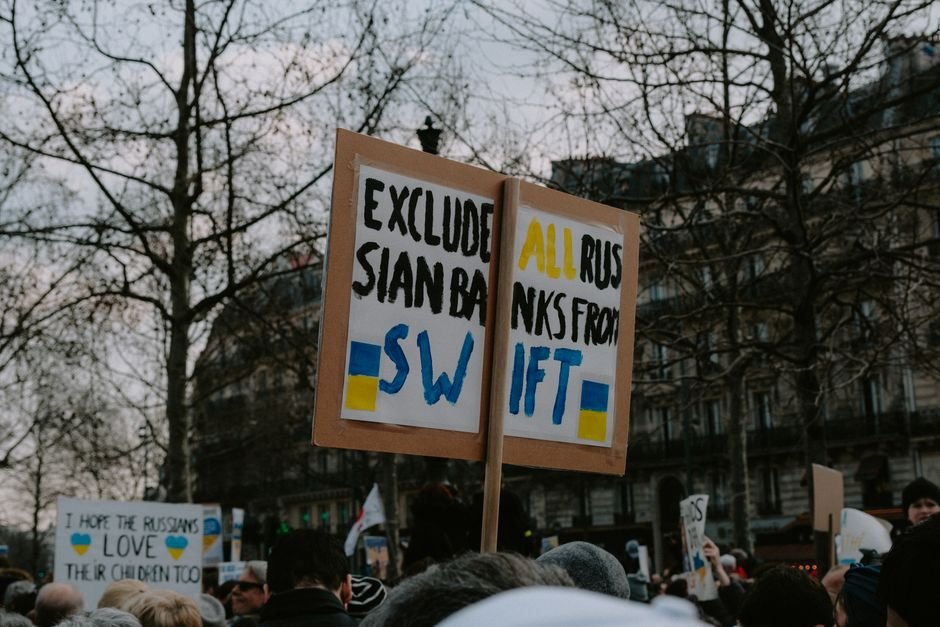
Senators from both parties are rallying around a revised Russia sanctions package to honor the legacy of Lindsey Graham, the South Carolina Republican who died suddenly Saturday at age 71.
Graham’s preliminary cause of death was aortic dissection due to arteriosclerotic cardiovascular disease. His sister, Darline Graham Nordone, has been appointed by South Carolina Governor Henry McMaster to finish his term.
The late senator spent his final days pushing a bipartisan Russia sanctions bill. The day before he died, he was in Kyiv meeting with President Volodymyr Zelensky, his 10th visit to Ukraine since the war began. Zelensky posted that he was “deeply saddened” and would “always be especially grateful” for Graham’s support.
Senate Majority Leader John Thune said Monday he is “hopeful” the Senate can pass the sanctions bill as Graham’s legacy.
“Lindsey had been working that issue for a long time,” Thune told CNN. “It’s one of those things he was very passionate about. He wants to see a free and independent Ukraine, as all of us do. And he was a big believer that economic sanctions are a huge tool for the president and his administration.”
Thune said there are enough Democrats and Republicans to get “80 to 90 votes” for a version of the bill, but the Senate needs to “figure out exactly” what the final package looks like.
The White House had been working closely with Graham on the legislation. Trump has indicated he would sign it, a significant shift from his earlier skepticism about the “Sanctioning Russia Act,” which would give the president discretion to impose tariffs on buyers of Russian oil.
Senator Jeanne Shaheen, a New Hampshire Democrat, has urged Congress to pass the bill in Graham’s honor. Representative Mike Turner, an Ohio Republican, said he hopes the Russia sanctions become “one of the legacies” of Graham’s career.
Graham was a hawk’s hawk: he backed the Iraq War, pushed for war with Iran, and was one of the loudest voices in Congress for arming Ukraine. He was a Trump confidant who managed to maintain his influence through the president’s shifting foreign policy whims. The sanctions bill he worked on in his final days would tighten the economic screws on Moscow at a time when Ukraine’s drone offensive is already putting severe pressure on Russia’s energy sector.
His legacy in this war is not yet written. But the sanctions package may be the closest thing Washington produces to a parting tribute from a man who believed that the way to stop a war is to make the aggressor too poor to continue it.