

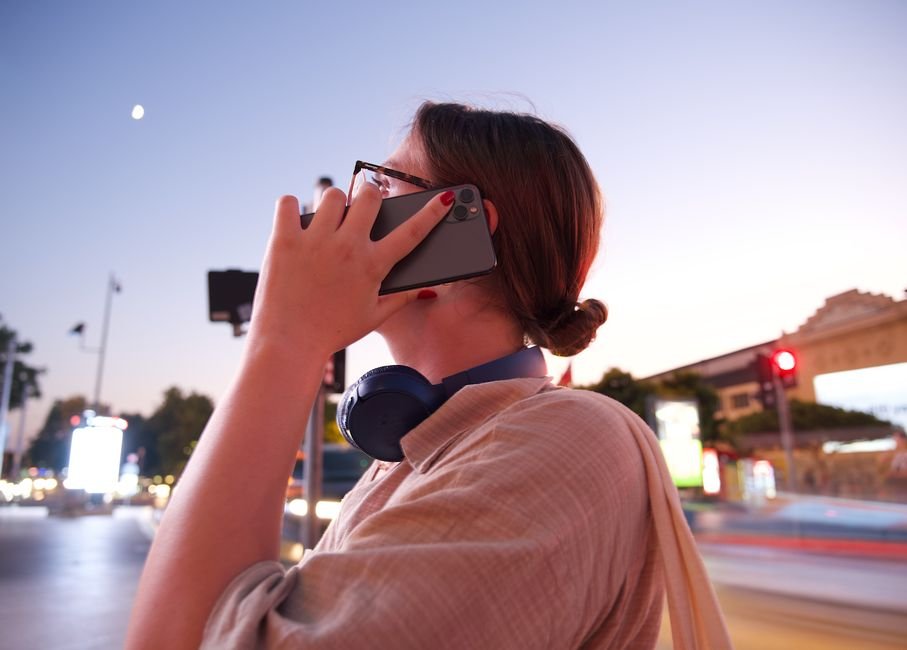
A five-day complete evening smartphone ban significantly improved sleep, cognitive function, and physical performance in university students, but only among those who were not dependent on their devices, according to a study published July 10 in Medicine (Baltimore).
The findings suggest that nomophobia (the fear of being without one’s smartphone) is a powerful moderator of digital wellness interventions. For students with high nomophobia, the same restriction produced no benefits and triggered acute stress, raising questions about whether blanket digital restriction policies may harm the very people they aim to help.
Researchers led by Wiem Ben Alaya (from an international team including Tunisia, Saudi Arabia, Turkiye, Canada, and Romania) enrolled 28 physically active university students with a mean age of 20.4 years. Participants were stratified into low nomophobia (n=14) and high nomophobia (n=14) groups using the validated Nomophobia Questionnaire. The intervention required complete avoidance of smartphones and all blue-light-emitting devices after 6:00 PM for five consecutive days. Compliance was 100%.
What they found
Among students with low nomophobia, the five-day evening restriction produced large and statistically significant improvements across sleep, cognitive, and physical domains:
Sleep was measured objectively with wrist-worn actigraphy (ActiGraph wGT3X-BT). Total sleep time increased by 45 minutes (effect size d=0.80, p<0.001). Sleep efficiency improved by 12 percentage points (d=2.99, p<0.001). Wake after sleep onset decreased by 18 minutes (d=4.60, p<0.001), a measure of how much time is spent awake during the night after initially falling asleep. An effect size of 4.60 for the WASO reduction is unusually large and reflects the dramatic change in sleep continuity these students experienced.
Cognitive function also improved. Morning simple reaction time improved (d=0.40, p<0.001), and lower-limb reaction speed, measured using an Optojump system, showed a larger improvement (d=1.07, p<0.001). Faster reaction times have implications for driving safety, athletic performance, and academic productivity.
Physical performance: Squat jump (d=1.30), countermovement jump (d=1.40), and agility as measured by the Modified Agility T-Test (d=1.40) all showed substantial gains. The authors noted that these improvements exceeded typical short-term training gains, suggesting that simply removing evening screen time may rival or complement structured athletic training for physically active young adults.
Stress and anxiety were measured at baseline and on Days 1, 3, and 5 using validated scales. Both measures progressively declined over the five days. Stress showed a large decrease (d=2.16, p<0.001), and anxiety decreased even more sharply (d=2.63, p<0.001).
In the high nomophobia group, none of these improvements were observed. Instead, these students experienced acute elevations of stress and anxiety on Day 1 of the intervention. By Day 5, no meaningful changes in sleep, cognition, or physical performance had emerged.
Why it matters
Evening smartphone use disrupts sleep through at least two confirmed pathways: blue-light suppression of melatonin and cognitive hyperarousal from engaging content. This study shows that removing both sources of disruption can produce rapid and substantial gains, but only for people who are not psychologically dependent on their devices.
The results have practical implications for digital wellness programs, which are increasingly popular in schools, workplaces, and telehealth settings. The finding that nomophobia completely blocks the intervention’s benefit suggests that a one-size-fits-all approach to digital restriction is unlikely to work. The authors recommend psychological screening before such interventions are deployed, and suggest that telehealth support may be needed for individuals with high nomophobia who wish to reduce their evening screen time.
For students who are not nomophobic, the gains were large enough to rival or exceed many pharmacological and behavioral sleep interventions: a 45-minute increase in total sleep time and a 12-percentage-point improvement in sleep efficiency from a simple behavioral change that costs nothing.
Limits
This was a single-arm repeated measures study with no control group. That design cannot rule out placebo effects, expectation bias, or regression to the mean as explanations for the observed improvements. The sample was small (28 participants), limited to physically active university students, and the intervention lasted only five days. Whether the effects persist, grow, or fade over longer periods is unknown. Compliance was self-reported, though the authors reported 100% adherence.
Bottom line
Evening smartphone restriction can rapidly improve sleep, cognition, and physical fitness in young adults, but only for those with low nomophobia. High nomophobia individuals may need psychological support or a gradual taper approach before a complete digital restriction can be beneficial.
Source
Ben Alaya W, et al. Effects of a five-day evening smartphone restriction on sleep, cognitive, and physical performance in university students: A single-arm repeated measures study stratified by nomophobia. Medicine (Baltimore). 2026 Jul 10;105(28):e49698. doi: 10.1097/MD.0000000000049698. PMID: 42432880