

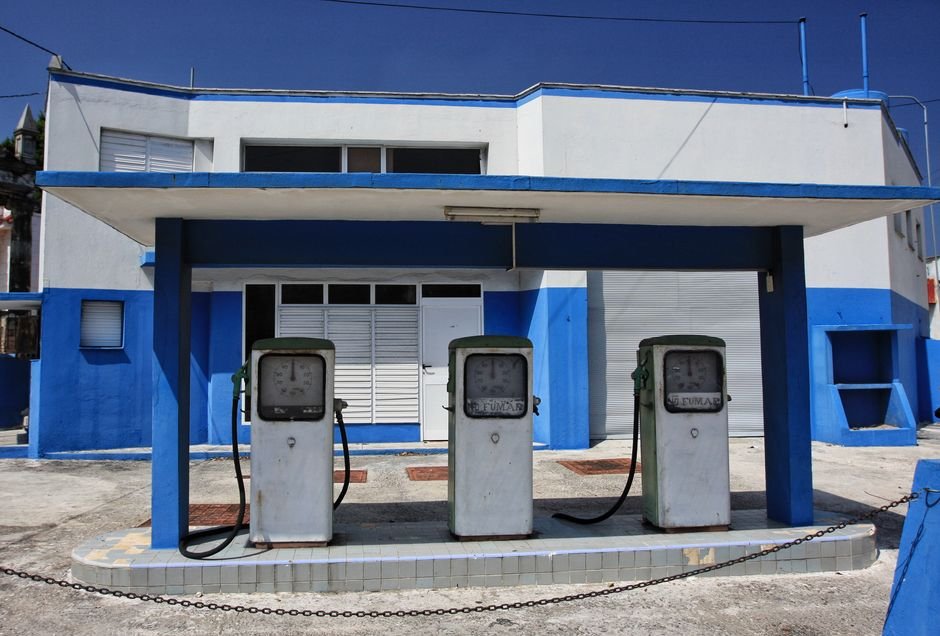
Cuba has suffered its second island-wide blackout in a week, as the Trump administration’s fuel blockade starves the country of the oil it needs to keep its power grid running.
The blackout hit on July 10, days after a previous collapse of the electrical grid plunged 11 million people into darkness. Hospitals canceled surgeries. Gasoline rationing tightened. The government has given no timeline for full restoration.
The root cause is not infrastructure age or technical failure. It is a deliberate US policy. Since January, the Trump administration has blocked Venezuelan oil shipments to Cuba, the island’s primary fuel source, and threatened tariffs on any country that sells oil to Havana. Cuba has not received a significant oil shipment in more than three months.
“We have held talks with the US regarding our energy and economic crisis,” said Cuban President Miguel Diaz-Canel, acknowledging negotiations even as the lights went out.
The crisis is unprecedented in scale. Venezuela, once Cuba’s lifeline, stopped deliveries after the US captured President Nicolas Maduro in January and installed acting President Delcy Rodriguez. Mexico has also halted shipments under US pressure. A Russian tanker carrying approximately 116,000 cubic meters (730,000 barrels) of crude approached in June but diverted away without explanation, presumably, the Morning Star reported, under US threat.
Cuba is running on solar power, natural gas, and failing thermoelectric plants. Lazaro Guerra, the energy ministry’s electricity director, said crews were trying to restart key plants. “It must be done gradually to avoid setbacks,” he said. “Because systems, when very weak, are more susceptible to failure.”
Trump has made no secret of his intentions. He has said he may have the “honor of taking Cuba.” He told journalists on Air Force One that Cuba “wants to make a deal, and I think we will pretty soon either make a deal or do whatever we have to do.”
The implicit threat of military action, Trump has repeatedly said “Cuba is next” after Iran, hangs over the energy talks. Diaz-Canel has promised “impregnable resistance.”
On the ground, the blackouts are pushing Cubans past the breaking point. Earlier this month, violent demonstrations broke out, with protesters ransacking a building belonging to the ruling Communist Party. The protests fused economic desperation with political anger: long daily blackouts, empty shelves, and a government that cannot keep the lights on.
The UN has presented an aid action plan for Cuba to US officials, including fuel tracking models. Cuba has petitioned the Vatican to mediate. But the Trump administration’s position is clear: the blockade will not lift until Cuba releases political prisoners and liberalizes its political and economic system.
Analysts warn that the US bet carries risks. A total economic collapse in Cuba could produce a humanitarian catastrophe and a mass migration crisis that would land on America’s doorstep. “On the one hand, it looks like they’ve got all the cards, and the Cubans have none,” said William LeoGrande, a Cuba analyst. “But the consequences of not getting a deal on the US side could be pretty bad as well.”
For now, Cuba sits in the dark, a nation of 11 million people, a failed grid, and a US president who says he wants the island.