

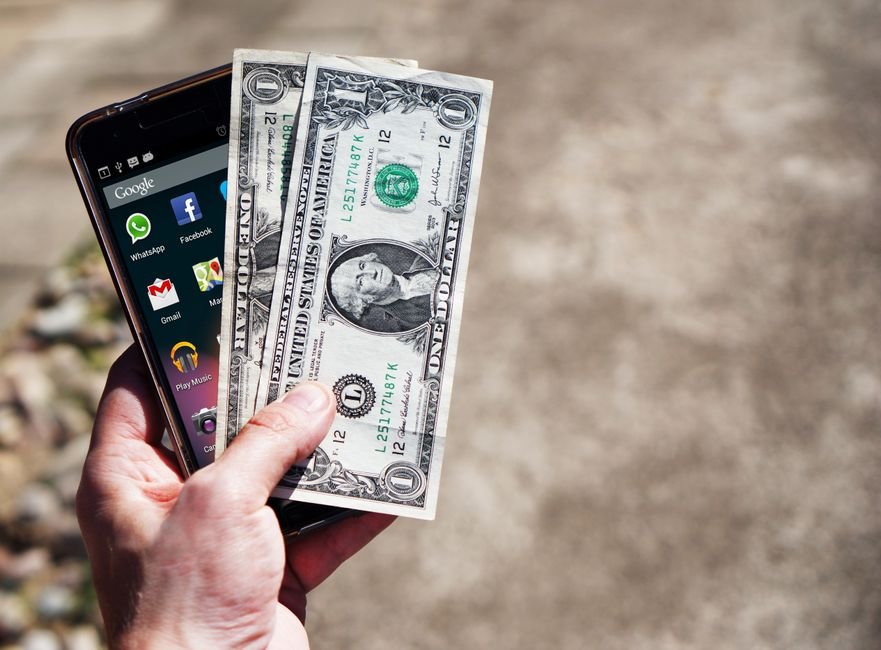
The vision that Elon Musk first pursued in 1999 when he co-founded the online bank X.com has come full circle. In late July 2026, the social platform formerly known as Twitter began rolling out X Money to Premium and Premium+ subscribers across the United States, offering peer-to-peer transfers, a Visa debit card, and a 6 percent annual percentage yield on deposits.
X Money users receive a virtual and physical metal debit card bearing their X handle, which can be added immediately to Apple Pay and Google Pay. Peer-to-peer transfers within the app are instant and carry no fees or limits, using Visa Direct rails for settlement. Deposits are FDIC-insured up to $250,000 through Cross River Bank, and a cash sweep program extends coverage to $10 million per account across multiple partner institutions.
The 6 percent APY is the headline feature. It far exceeds the yields offered by competitors, Venmo and Cash App offer no interest on wallet balances, and the average high-yield savings account in the United States pays roughly 4 to 5 percent. The rate is available automatically to Premium+ subscribers at $40 per month, while standard Premium users at $8 per month must link direct deposit to qualify. Additional features include early direct deposit up to two days early and 3 percent cash back on eligible purchases.
The launch follows a carefully sequenced regulatory buildout. X Payments secured money transmitter licenses in more than 40 states, partnered with Visa in January 2025 for real-time payment infrastructure, and conducted a limited invite-only beta in mid-2026 that included a charity auction for early access hosted by William Shatner. In a widely circulated test in June, a user sent $25 to Musk through the app and received a response of laughter emojis.
X Money enters a competitive market that has seen little structural change in years. Venmo dominates social payments but offers no deposit yield. Cash App provides stock and bitcoin trading but charges fees for instant transfers. Zelle handles more than $1 trillion in annual transaction volume but has no in-app wallet or debit card. X’s advantage is integration with a platform that already reaches over 600 million monthly active users, combined with a fee structure that undercuts all three rivals on basic transfers.
The business model depends on interchange fees and the float on deposits rather than transaction charges. X captures Visa debit interchange at rates that benefit from Cross River Bank’s small-bank Durbin exemption, yielding roughly $0.45 per transaction compared to the $0.24 that large banks receive. At the current federal funds rate of approximately 4.25 to 4.5 percent, the combination of interchange revenue and float income can support the 6 percent APY while leaving room for operating costs.
The rollout has attracted regulatory attention. Senator Elizabeth Warren sent a letter to Musk in April 2026 warning about consumer protection risks, flagging Cross River Bank’s history of FDIC enforcement actions and questioning the sustainability of the high yield. Under a restructured Consumer Financial Protection Bureau with Musk himself serving as a senior adviser to the White House, the usual enforcement apparatus faces an unusual conflict of interest.
A broader rollout to all US users is expected in the coming months, pending approval in the remaining states where X Payments has not yet obtained money transmitter licenses. For Musk, the return to his original fintech founding represents the most tangible piece yet of his everything-app strategy for X.
Sources: Elon Musk’s X Money app is rolling out in the US (TechCrunch, Jul 28); X.com) (Wikipedia); X Money features and competitive analysis (Android Headlines, Jul 28); Elizabeth Warren warns Musk on X Money risks (Decrypt, Apr 2026)