

A new randomized trial from Guangzhou University of Chinese Medicine will test whether a wearable low-level laser device can match or outperform traditional manual acupuncture for chronic insomnia, without the needles, the practitioner visits, or the needling discomfort.
The trial, published as a study protocol in Frontiers in Psychiatry, plans to enroll 106 adults ages 18 to 65 with chronic insomnia (Insomnia Severity Index scores between 8 and 21). Participants will be randomly assigned to receive either wearable low-level laser therapy (LLLT) or standard manual acupuncture, with six 30-minute sessions delivered over two weeks.
What they found
Both treatments target the same six acupoints, HT7, PC6, and SP6 on both sides of the body, but the delivery method differs fundamentally:
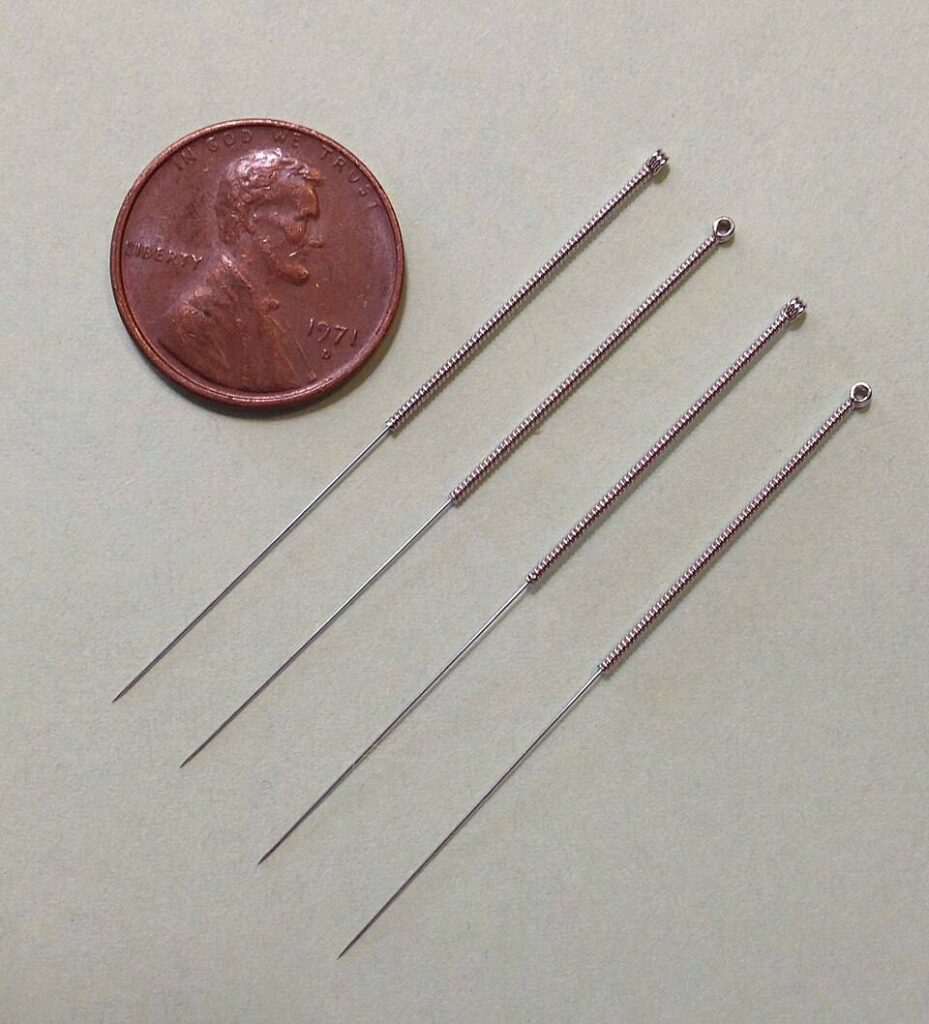
- Manual acupuncture requires a trained practitioner to insert and manipulate thin needles at each acupoint during every session.
- Wearable LLLT uses a 650 nm laser, emitting no more than 5 mW per irradiation point, delivered through skin-contact modules that stimulate all six acupoints simultaneously via a wearable setup.
The primary endpoint is the change in Insomnia Severity Index score from baseline to week 2, immediately after the six-session treatment period. Secondary outcomes include sleep quality (Pittsburgh Sleep Quality Index), fatigue severity, depression (PHQ-9), anxiety (GAD-7), and heart rate variability indices measured via a 5-minute fingertip photoplethysmography recording.
A follow-up assessment at week 6 will test whether any treatment effects persist after discontinuation. The analysis follows the intention-to-treat principle using analysis of covariance and prespecified repeated-measures models.
Why it matters
Chronic insomnia affects an estimated 10,15% of adults worldwide, yet access to first-line treatment remains limited. Cognitive behavioral therapy for insomnia, the recommended gold standard, is inaccessible to many patients due to a shortage of trained providers, cost, and time requirements. Acupuncture has accumulated evidence as an effective alternative but carries the same practical barrier, repeated clinic visits with a specialist.
A wearable laser device that patients can apply at home, without needles and without a practitioner, could dramatically expand access to non-pharmacological insomnia treatment. The protocol’s authors note that LLLT offers a “non-invasive and standardized modality” that may serve as a practical alternative within the framework of complementary and integrative sleep medicine.
Limits
As a protocol paper, these are planned analyses, not results. The trial is single-center and assessor-blinded (participants cannot be blinded to receiving needles vs. no needles). The two-week treatment period is short, and the follow-up extends only to week 6, leaving longer-term durability unknown.
Bottom line
The results, expected after the trial completes recruitment and data collection, will provide the first head-to-head comparison of wearable laser acupuncture against the manual version for chronic insomnia, a test of whether technology can deliver what traditional practice does, without the barriers of access and expertise.
Source
Shen Y, et al. Wearable low-level laser therapy (laser acupuncture) versus manual acupuncture for chronic insomnia: protocol for a randomized, assessor-blinded, superiority trial. Front Psychiatry. 2026 Jun 1;17:1814245. DOI: 10.3389/fpsyt.2026.1814245. PMID: 42305849.