

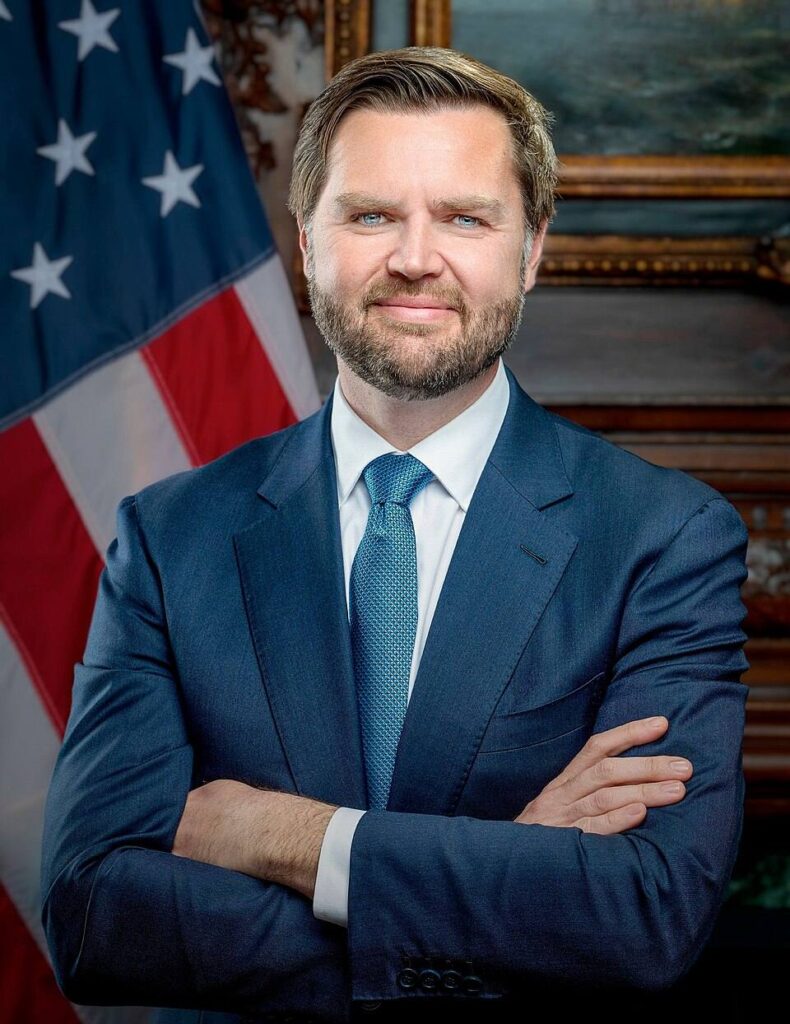
Vance warns Israel against fighting the Iran deal as Tehran threatens a “harsh response” over Lebanon
Vice President JD Vance on Thursday delivered a blunt public warning to Israel: the Iran deal is happening, and the United States will not tolerate allies who try to kill it. Hours earlier, Iran’s armed forces command issued its own warning — that Israeli strikes on southern Lebanon threaten the deal itself and will be met with a “harsh response.” The two messages, arriving within a day of each other, expose the fragile architecture of the agreement President Donald Trump signed with Tehran earlier this week.
The deal was supposed to end a 110-day war. Instead, it is under assault from both sides: from Israel, which never wanted it, and from Iran, which says Israel’s continued attacks on Lebanon violate the ceasefire the deal was meant to secure.
“The US has earned the trust of the region”
Vance gave voice to a frustration that has been building in the White House for weeks. In an interview with the New York Times, he called Israel’s opposition to the deal a “weird panic” and a “freakout.”
“There is this weird panic almost in the Israeli system that I’ve picked up on where they assume that everything that is contemplated that is good for Iran will happen — but that will happen without the Iranians changing any behavior,” Vance said. “That’s not how the deal is written.”
The vice president accused Israel of mistrusting its strongest ally. “I find this whole freakout in Israel a little bit odd because I think that it comes from a place of mistrust, and I think that America has earned the trust of that region of the world,” he said.
He saved his sharpest words for far-right Israeli cabinet ministers Itamar Ben-Gvir and Bezalel Smotrich, both of whom have denounced the agreement. “I guess my response to them would be: What is your exact proposal? You’re a country of 9 million people. You can’t just kill your way out of solving every single national security problem that you have.”
Axios reported that Vance also warned Israeli officials in private channels that Trump is “the only friend you have left in the entire world” — a threat that frames the deal as a loyalty test.
Tehran links Lebanon to the deal
While Vance was making the administration’s case to Israel, Iran’s military command was making its own case against Israel. The emergency command of Iran’s armed forces, Khatam al-Anbiya, threatened Tuesday that if Israel continues to strike in southern Lebanon, “it should expect a harsh response.”
The Iranian statement claimed that Israel had violated the ceasefire in southern Lebanon 84 times in the two days since the deal was announced. “The Israeli army has violated the ceasefire in southern Lebanon over the past two days, continues to commit crimes and kill the oppressed Lebanese people after the U.S. president declared the end of the war,” the statement read.
The memorandum of understanding signed by the U.S. and Iran explicitly includes a clause referring to the end of the war in Lebanon. Iran also demanded an Israeli withdrawal from southern Lebanon as part of the agreement. Prime Minister Benjamin Netanyahu has pledged that Israel will not withdraw and will continue to defend itself against Hezbollah.
Trump: “It casts a negative shadow”
President Trump himself has taken an increasingly critical tone toward Israel’s conduct in Lebanon. At the G7 summit in France on Tuesday, he said Netanyahu could use a “softer touch” in the fight against Hezbollah.
“I am not happy with the way Israel has acted toward Lebanon and toward Hezbollah,” Trump said. “They should have finished that job faster. It just goes on and on and on. And when that happens, it casts a negative shadow over the big deal, and the big deal is the agreement with Iran.”
The president’s public criticism of Netanyahu — his closest foreign ally in the region — is a departure from the unqualified support that characterized the first months of the war. It reflects a calculation in Washington that Israel’s military campaign in Lebanon is now a liability for the broader strategic goal of locking in the Iran deal.
A deal that pleases no one
The agreement Trump and Iranian leaders approved this week is a memorandum of understanding, not a final peace treaty. It defers the hardest issues — Iran’s nuclear program, its ballistic missile arsenal, the fate of U.S. sanctions — to a second phase of negotiations with no guarantee of resolution.
Israeli officials across the political spectrum, including some of Netanyahu’s allies, have criticized the agreement on precisely those grounds. They argue it fails to address Iran’s nuclear and missile capabilities and ties Israel’s hands against Hezbollah in Lebanon. Iran’s military, meanwhile, sees the deal as a license for Israel to continue its Lebanon campaign with impunity.
Vance insisted the United States would not remove sanctions on Iran if it continued to fund Hezbollah, which Washington has long designated a foreign terrorist organization. “That’s not how the deal is written,” he said again.
But on the ground, the facts are moving faster than the deal’s text. Israeli strikes in southern Lebanon continued Thursday. Iran’s military remains on alert. And the Trump administration is spending its diplomatic capital not on selling the deal, but on keeping its own ally from sabotaging it.
- George, 1ban.news