

For the 11th straight night, American warplanes hit Iran. What began as a limited campaign to keep the Strait of Hormuz open has become something else entirely: a sustained bombing operation against a country the US is not formally at war with, named after a nuclear site the president announced on television.
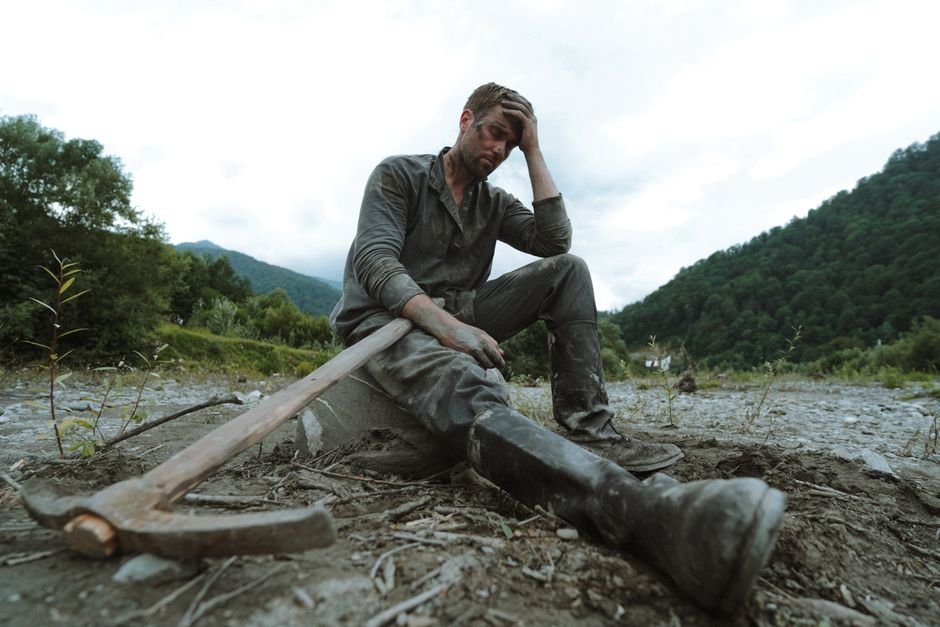
Donald Trump said Tuesday that the US would strike “Pickaxe Mountain,” the underground nuclear facility near Natanz, “pretty soon, and very heavily.” The site is suspected by Western intelligence of housing undeclared enrichment activity. It is also, by any definition, a target that crosses lines previous administrations drew around themselves. Announcing a planned attack on a nuclear facility in advance is not strategy. It is ultimatum.
“I would not normally announce targets,” Trump said, “but there’s not a thing they can do about it.”
Iran’s Khatam Al-Anbiya command made clear it would treat an attack on the site “as an expansion of war in the region” and retaliate against “all the interests of America, the allies and supporters.” That language is not a bluff calibrated for media consumption. It is the frame Tehran intends to act on.
The cost ledger
Defense Secretary Pete Hegseth told the Senate Appropriations Committee that the war has so far cost $37.5 billion, a jump of $8 billion since May. He warned that training would be curtailed without an urgent funding boost. The figure accounts only for direct military expenditure, not the wider economic disruption caused by the effective closure of the Strait of Hormuz to normal commercial traffic.
US Central Command said its strikes aim to “degrade Iran’s ability to threaten commercial shipping.” Over the past three months, Iran has attacked more than 30 merchant vessels. The waterway remains nominally open, but shipping data tells a different story: traffic has slowed to a crawl, insurers have tripled premiums, and two oil tankers turned back from Saudi Arabia’s Yanbu port this week, rerouting toward the Suez Canal.
Air defenses lit up across Iran
Iranian air defenses have been active across multiple cities, Tehran, Tabriz, Chabahar, Konarak, and Bushehr, home to Iran’s only nuclear power plant. The list shows how much of the country is now within reach of the American campaign.
A ceasefire signed in April collapsed. A memorandum of understanding in June promised to reopen the Strait within 60 days. Trump declared it “over” three weeks later, after Iranian attacks on ships resumed. The pattern is clear: neither side treats these agreements as binding. They are pauses, not peace.
Regional fallout
The war is no longer confined to US-Iran exchanges. Kuwait engaged Iranian attack drones on Tuesday night. Bahrain activated air raid sirens. Jordan intercepted missiles. And the Houthis in Yemen, who declared a “maritime embargo” on Saudi vessels one day earlier, threaten to close the Bab al-Mandab Strait, which would cut off the Red Sea route entirely.
A US soldier was killed and another wounded in an Iranian strike in Iraq two days ago. The Pentagon identified him as the latest casualty in a conflict whose human toll is rarely reported in dollar figures.
Trump’s threat to hit Pickaxe Mountain may be the most dangerous escalation yet. It signals that the US is prepared to go after Iran’s nuclear infrastructure, something the intelligence community has consistently warned would unify the country behind the regime and trigger a broader regional war. The White House appears to have concluded that deterrence, not diplomacy, is the only language Iran understands. Whether that conclusion survives contact with reality remains to be seen.