

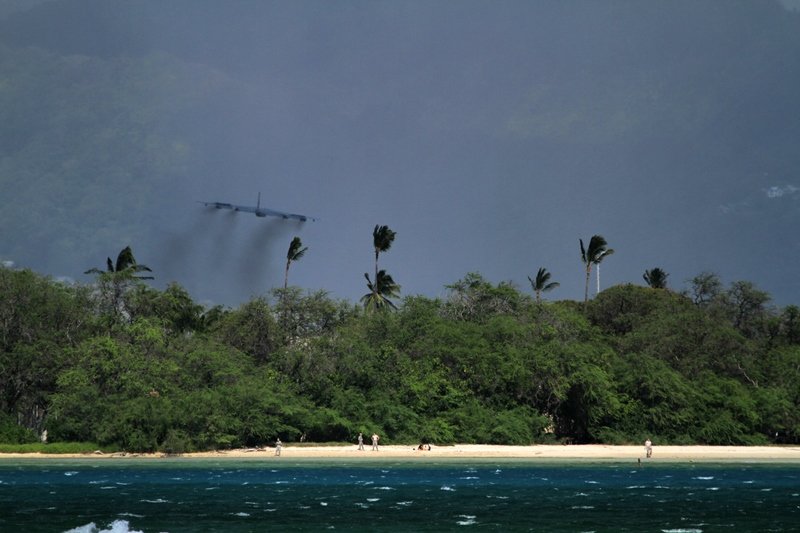
Two strategic bomber crashes in 48 hours. On the same day, June 15, a U.S. Air Force B-52 Stratofortress crashed on takeoff at Edwards Air Force Base in California, killing all eight crew members aboard. Thousands of miles away in Siberia, a Russian Tu-22M3 Backfire went down near Svirsk in the Irkutsk region during a training sortie. The Russian crew ejected safely though the aircraft was destroyed. Two nuclear-capable bombers. Two Cold War designs. One shared story: the machines are wearing out.
The B-52 that crashed at Edwards was on a routine test mission supporting a radar modernization program. It was the first loss of a B-52 since a 2016 crash on Guam and the deadliest B-52 accident since 1982. The entire eight-person crew perished. The aircraft, like all remaining B-52s in the U.S. fleet, was built in the early 1960s. The average B-52 in service today is 63 years old. Of the 744 B-52s ever built, only 76 remain airworthy, and the Air Force is pouring billions into a re-engining program with Rolls-Royce F130 turbofans just to keep them flying through 2060. The service has even adopted cold spray technology to repair fatiguing aluminum airframe structures, a patchwork solution for metal that has been under stress for six decades.
The Russian Tu-22M3 that same day suffered an engine failure during a training flight. All four crew members ejected and survived. But the loss of this aircraft extends a grim pattern. According to open-source intelligence analysts tracking Russian aviation losses, Moscow has now lost 11 Tu-22M3 aircraft since 2022, with 8 destroyed and 3 damaged. The Tu-22M3 was manufactured between 1978 and 1993, making the youngest examples over 30 years old. Russia has pressed these aging bombers into intensive combat service over Ukraine, launching Kh-22 and Kh-32 cruise missiles in near-daily strike packages.
The coincidence in timing is not the story. The cause is.
Both the United States and Russia have subjected their strategic bomber fleets to operational tempos far beyond what these airframes were designed to sustain. The U.S. B-52 fleet has flown continuous global power missions since the Cold War, but the rhythm has intensified dramatically since Russia’s full-scale invasion of Ukraine in February 2022. American bombers have run nonstop NATO deterrence patrols along the alliance’s eastern flank. They have sustained a continuous bomber presence in both the European and Indo-Pacific theaters simultaneously. The Air Force has openly acknowledged that the bomber force is stretched thin, with crews and aircraft rotating through multiple theaters without the reset periods that preserve airframe health.
Russia’s demands on its bomber fleet have been even more punishing. The Tu-22M3 and the larger Tu-95 Bear and Tu-160 Blackjack have been flying daily combat sorties against Ukrainian targets for over four years. Russia launches waves of cruise missile strikes that involve dozens of bombers per mission, often from bases in the Arctic and the Caspian region. The sortie rate is without precedent in the postwar era. Maintenance intervals have been compressed. Parts supply chains have been strained by sanctions. And the airframes themselves, Soviet-era designs long past their original service lives, are accumulating structural micro-cracks, engine hot-section fatigue, and wiring degradation at an accelerating rate.
Material fatigue does not announce itself. It accumulates in the grain of the metal, in the turbine blades, in the control cables, until something breaks. The B-52 that went down at Edwards had been flying since the Kennedy administration. The Tu-22M3 that cratered in Siberia was designed when Brezhnev was in power. Both were nuclear delivery platforms kept ready for the ultimate mission. Both have been pushed, day after day, through training sorties and combat surges and extended deployments, because the geopolitical landscape since 2022 has allowed neither the United States nor Russia to stand down their strategic forces.
Two crashes in one week. Two aging fleets. One underlying truth: the bill for sustained high tempo operations always comes due. The metal remembers every flight hour, every hard landing, every maximum-power takeoff. And on June 15, 2026, on two continents, it called in the debt.