

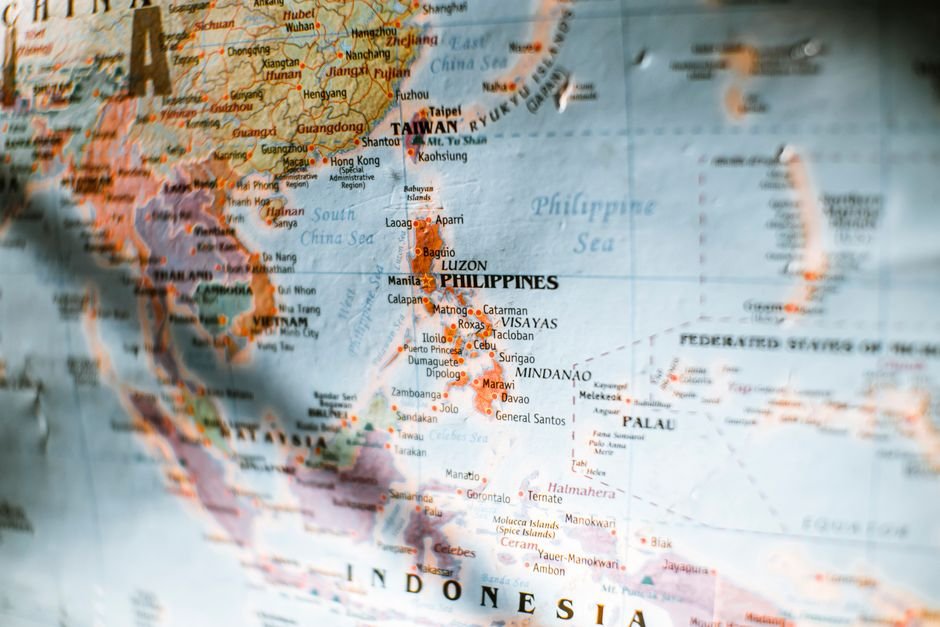
The United States and Japan completed five days of joint naval and air defense exercises with the Philippines in the South China Sea on Saturday, the same week Chinese coast guard vessels fired water cannons at Philippine ships in two separate incidents.
The timing was not coincidental. The drills, held from July 21 to 25, involved warships, coast guard vessels, surveillance planes, and fighter aircraft operating in the disputed waterway that Manila calls the West Philippine Sea. The exercises were designed to improve interoperability between the three allies and to demonstrate what the Armed Forces of the Philippines called a commitment to “ensuring freedom of navigation and overflight.”
The exercises underscored the enduring partnership among the partner nations in promoting peace, stability, and security in the Indo-Pacific region.
They also took place against the backdrop of the most intense week of China-Philippines confrontations in months. On Monday, Chinese personnel at Second Thomas Shoal injured two Filipino navy men. On Thursday and Friday, Chinese coast guard ships fired water cannons at Philippine fisheries vessels near Scarborough Shoal, and one Chinese vessel approached a Philippine boat to within seven meters, close enough that the Philippine Coast Guard described the maneuver as creating a “serious risk of collision.”
China’s People’s Liberation Army condemned the joint exercises, saying they “damage regional peace and stability.” Beijing claims virtually the entire South China Sea and has rejected a 2016 international tribunal ruling that invalidated its expansive claims.
For Japan, the drills mark another step in its expanding security role in Southeast Asia. Tokyo has been steadily deepening its military ties with the Philippines, signing access agreements and increasing joint patrols as part of a strategy to counter China’s growing naval presence. The exercises included the Japan Maritime Self-Defense Force alongside U.S. Navy and Philippine Navy vessels, as well as coast guard assets from all three countries, a deliberate signal that the alliance covers both military and law enforcement domains.
The exact location of the exercises was not disclosed, but previous rounds have been held in areas where Chinese navy and coast guard vessels routinely operate. The Philippine military said the drills were part of a series that has increased in scope and frequency over the past several years, as Manila, backed by Washington and Tokyo, pushes back against Beijing’s relentless expansion.
China’s foreign ministry responded the day the exercises concluded by reiterating that the South China Sea disputes should be resolved through bilateral talks, the same position Beijing has held while its coast guard escalates the use of force on the water.