

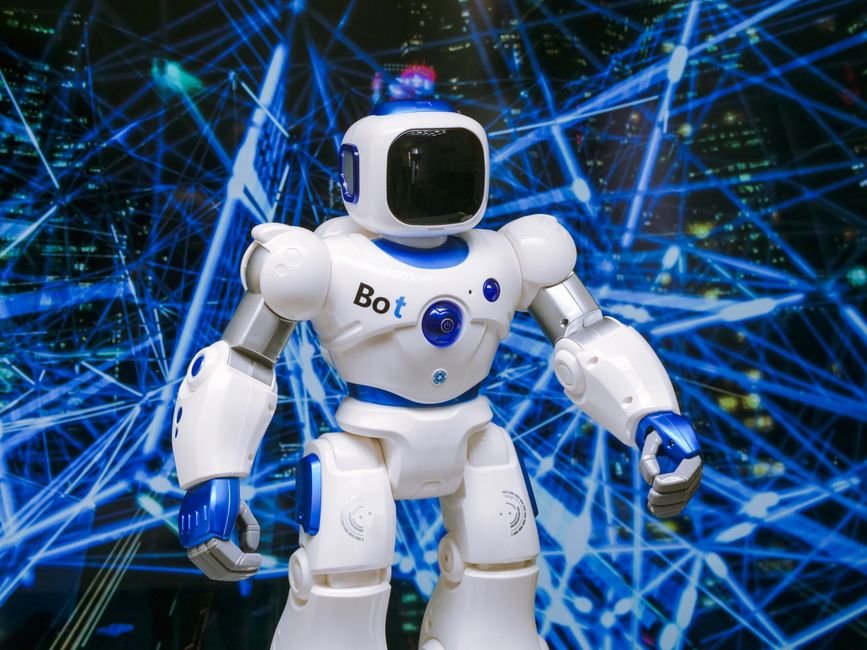
A 75-pound robot named Bebop caused an hour-long delay on a Southwest flight from Oakland to San Diego in May 2026. The crew could not determine where to seat it or whether its battery pack fell within legal limits. Within days, Southwest had rewritten its baggage policy, and by late July, United and Delta had followed suit with restrictions of their own.
The three largest US carriers now prohibit transporting humanoid robots as carry-on, checked baggage, or cargo. The bans cover any device designed to resemble a human or animal in appearance, size, movement, or behavior, regardless of its stated purpose. Consumer electronics including toy robots, robotic vacuum cleaners, and conventional gadgets remain permitted as long as they comply with existing size, weight, and lithium-battery rules.
The trigger incidents involved two commercially available robots. Stewie, a 106-centimeter (3.5-foot) humanoid built by the startup RentBots, flew from Las Vegas to Dallas in May after purchasing its own seat. The owner posted video of the trip online, and the clip spread rapidly. Bebop, a 1.2-meter (4-foot) robot weighing approximately 34 kilograms (75 pounds), caused the Southwest delay days later when the crew raised concerns about its 421-watt-hour battery pack (more than four times the 100 watt-hour limit the FAA permits for carry-on lithium-ion batteries without special approval).
The battery issue is the operational core of the problem. Humanoid robots designed for household and light industrial use typically draw power from packs far exceeding aviation thresholds. The Unitree G1, a common consumer humanoid, ships with a battery rated at roughly 421 watt-hours. The Figure humanoid, a heavier-duty machine, carries a 2.3-kilowatt-hour pack (roughly 14 times the FAA’s standard passenger limit). Aviation rules were written for laptops, phones, and power tools, not for battery systems capable of powering a walking, gesticulating machine through a six-hour flight.
No FAA or Transportation Department guidance currently addresses how to classify humanoid robots for air travel. The airlines are acting under their own authority to restrict dangerous goods, a framework designed for flammable liquids and compressed gases, not articulated machines with onboard computing. The regulatory gap mirrors the period in 2016 when hoverboards were banned from flights after a series of battery fires, before formal rules caught up.
United’s prohibition, effective July 23, extends to cargo shipments as well as passenger baggage. Delta’s policy is labeled temporary, leaving room for revision once industry-wide standards emerge. American Airlines is the only major US carrier without a published humanoid restriction.
The bans apply only to passenger and baggage transport. Japan Airlines and Airbus have both tested humanoid robots for ground handling and aircraft manufacturing tasks in controlled industrial settings. Pobeda, a subsidiary of Aeroflot, flew a Unitree G1 robot on a regular Boeing 737 in Russia earlier this year without incident.
The robotics industry has taken note. Aaron Mehdizadeh, the RentBots founder who flew Stewie on Southwest, posted on social media that the trip had gotten humanoid robots banned from the airline, acknowledging the outcome with a tone that mixed irony and pride. The underlying question is serious: as humanoid robots enter the consumer market at rapidly falling prices, the aviation system has no calibrated answer for how to carry them safely.
Sources: US airlines banning humanoid robots from flights (Interesting Engineering, Jul 28); United Airlines bans humanoid, animal-like robots from flights (PCMag, Jul 28); United and Delta ban humanoid robots from flying as passengers (View from the Wing, Jul 28); Southwest bans humanoid robots (USA Today, May 15)