

The United Nations Security Council voted unanimously Wednesday to extend sanctions against armed groups operating in the Central African Republic, renewing a regime that freezes assets, bans travel, and restricts weapons supplies to militia fighters who continue to destabilize the country.
The resolution extends the measures through July 31, 2027, a one-year renewal that reflects what the Council described as a mixed picture. Bangui has made real gains in democratic governance and state authority in recent years. But the Security Council warned that armed groups and cross-border weapons networks remain a threat, particularly in the country’s border regions.
French Ambassador Jerome Bonnafont, speaking before the vote, acknowledged that significant progress has been made but stressed that the security situation remains fragile. It was the UN’s responsibility, he said, to support CAR in its fight against armed groups and individuals who continue to threaten stability.
CAR’s own ambassador to the UN, Marius Aristide Hoja Nzessioue, put the problem more bluntly. He asked who finances the militia networks and who benefits from them, questions he described as being at the heart of the effectiveness of the sanctions. He warned that without finding the mechanisms that feed these groups, there is a risk of reproducing the cycle in which armed groups are sanctioned, have their capacity temporarily reduced, and then rearm themselves through new supply circuits.
His point cuts to a long-standing frustration with UN sanctions regimes generally: they punish the fighters but rarely the suppliers. Nzessioue urged all parties to strictly abide by the sanctions and stressed the importance of identifying where the weapons are coming from.
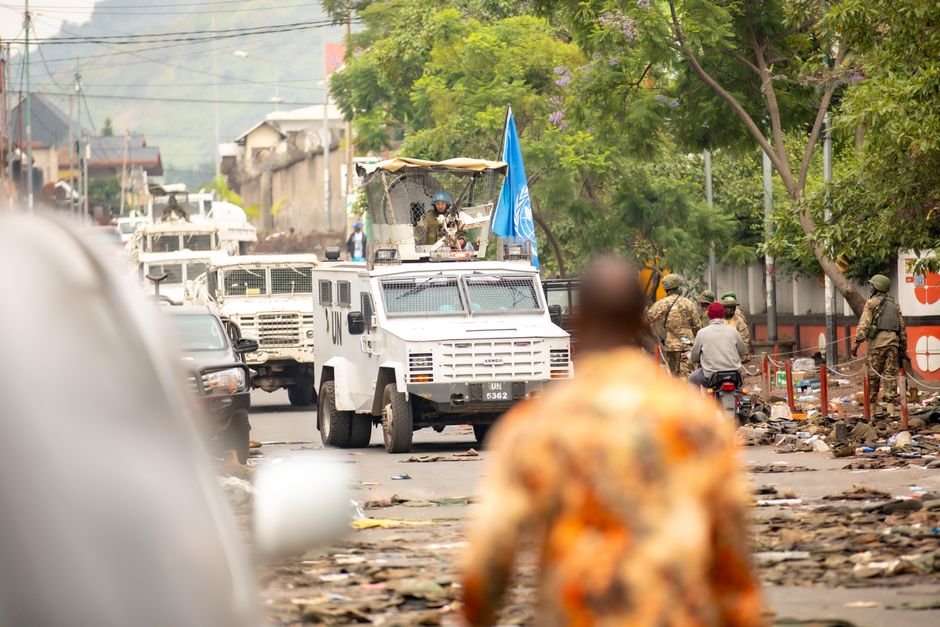
The Central African Republic has been caught in cycles of armed conflict for more than a decade. A UN peacekeeping mission, MINUSCA, operates in the country with thousands of troops, but militia groups continue to control large parts of the territory, especially in the east and north. Cross-border flows of fighters and weapons from neighboring countries have repeatedly undercut efforts to stabilize the country.
Wednesday’s vote keeps the sanctions framework in place. Whether it breaks the cycle that Nzessioue described is a different question.