

Delivering gene therapies to the right cells in the right organs remains one of the hardest problems in medicine. Adeno-associated virus vectors, the current workhorses of gene therapy, have limited cargo capacity, roughly 4.7 kilobases of DNA, and can trigger immune responses that prevent redosing. For Duchenne muscular dystrophy, where the missing dystrophin gene is 13 kilobases long, this has been a fundamental barrier.
SonoThera, a South San Francisco-based biotech, claims to have a different solution. Instead of using viruses to carry therapeutic genes into cells, the company uses focused ultrasound and microscopic gas bubbles to punch temporary holes in cell membranes, a technique called sonoporation, through which naked DNA can enter.
The approach has drawn significant investment, roughly $186 million from a roster that includes ARCH Venture Partners, Vida Ventures, ARK Invest, and Johnson & Johnson Innovation, along with skepticism from established researchers who have seen too many Duchenne breakthroughs fail in the clinic.
How the technology works
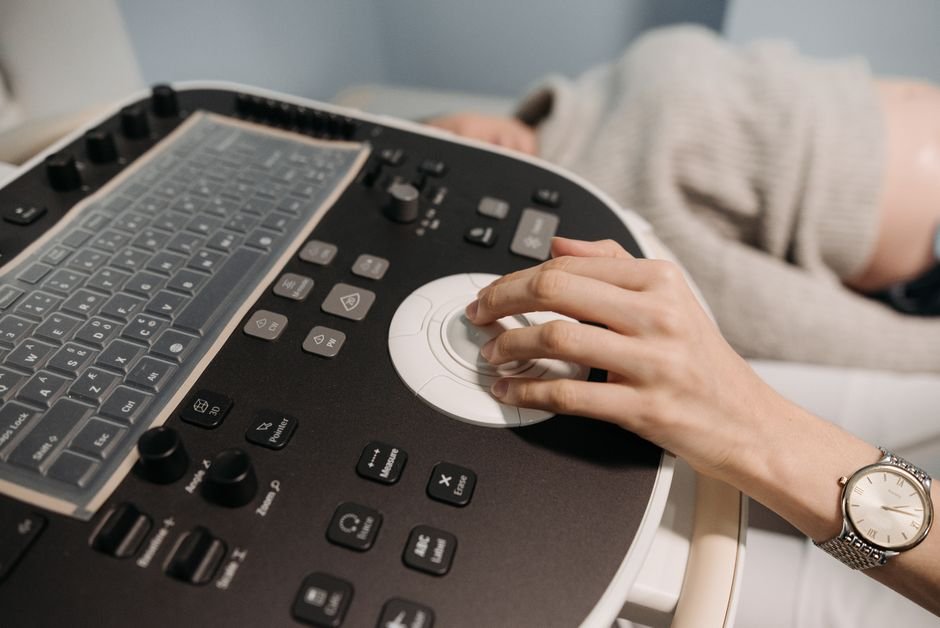
SonoThera’s platform, called RIPPLE, uses FDA-cleared ultrasound equipment to focus acoustic energy on a target organ. Patients receive an intravenous infusion of DNA payload alongside microbubbles, gas-filled spheres about 1 to 10 micrometers in diameter, made from lipids or proteins. When the ultrasound waves hit the microbubbles, they oscillate and collapse, creating transient pores in the membranes of nearby cells. The DNA enters through these pores, reaches the nucleus, and forms a chromatinized episome that can produce therapeutic protein for months.
The company claims several advantages over viral delivery. There is no cargo size limit, the platform has delivered the full-length 13-kilobase dystrophin gene, which is impossible for AAV. Because the delivery is physical rather than biological, there is no viral capsid to trigger an immune response, meaning the treatment can be redosed as needed. And in nonhuman primate models, the company reports achieving more than 50 percent of normal dystrophin levels in heart and diaphragm simultaneously, the cardiopulmonary weakness that ultimately kills most Duchenne patients.
The skepticism
Outside researchers have greeted the claims with caution. Eric Olson at the University of Texas Southwestern Medical Center told STAT News that he found the company’s results “hard to believe.” Jeffrey Chamberlain, a gene therapy expert at the University of Washington, called the animal data “a bit too good to be true.”
The company has not yet initiated clinical trials, human testing is planned for 2027, and has presented only preclinical data from mouse and nonhuman primate models at scientific conferences. The technology’s central challenge is whether the sonoporation effect can be controlled with enough precision and reproducibility to deliver therapeutic doses to large muscle groups in human patients. Skeptics also note that the field has seen many promising Duchenne approaches fail between animal models and human trials.
The infrastructure advantage
SonoThera’s co-founders include Steve Feinstein, a cardiologist who invented the first two FDA-approved microbubble contrast agents, and Kenneth Greenberg, a former Janssen executive. The company has exclusive global licensing agreements with GE HealthCare for the use of its microbubble products, and research collaborations with Johnson & Johnson.
The use of existing clinical ultrasound equipment and established microbubble technology means that if the approach works, the delivery infrastructure already exists in hospitals, a significant advantage over entirely new therapeutic modalities that require dedicated manufacturing and administration facilities.
The company’s next milestone is a clinical trial in Duchenne patients, expected to begin in 2027, which will provide the first real test of whether ultrasound-mediated gene delivery can translate from animal models to human patients.
Sources
- STAT News: “Can ultrasound unlock the power of gene therapy?” (July 17, 2026)
- SonoThera corporate disclosures and investor materials
- Quoted: Eric Olson (UT Southwestern), Jeffrey Chamberlain (University of Washington)
Note: SonoThera has not yet initiated clinical trials. All efficacy data reported here are from preclinical animal models.