

Ukraine is running out of the missiles it needs to defend its cities. Russia knows it. The result is written in the body count: 18 dead in the Kyiv region in a single day.
The attack
On Sunday, Russia launched 68 missiles and 351 strike drones against Ukraine, concentrating the assault on the capital region. President Volodymyr Zelensky described it as a “massive Russian attack.” Air defense units shot down what they could. The rest got through.
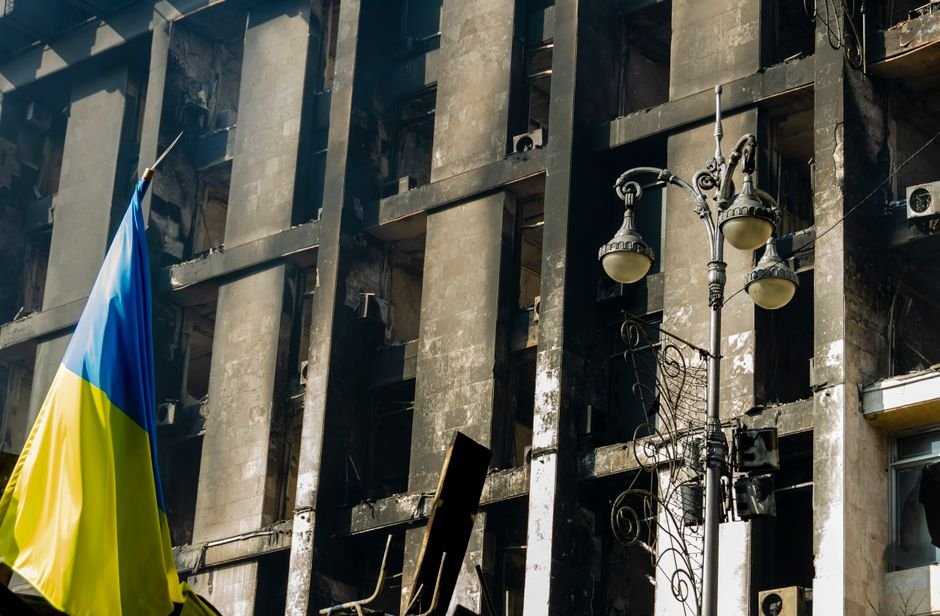
By the time the search-and-rescue operations ended, 18 people were dead. Dozens more were wounded. Residential buildings, a clinic, and civilian infrastructure were hit across multiple districts of Kyiv and its surrounding region.
The attack was not a surprise. Zelensky had warned publicly in the days before that intelligence from Ukrainian, US, and European sources indicated Russia was preparing a major strike. The warnings did not stop it. The interceptor missiles that could have stopped the ballistic missiles were not there.
The shortage
Ukraine has been pleading with its allies for months: we need more interceptor missiles. Specifically, PAC-3 missiles for the Patriot systems, which are the only weapons in Ukraine’s arsenal capable of stopping Russian ballistic missiles like Iskanders and Kinzhals.
The problem is not that Ukraine lacks air defense systems. It lacks the missiles those systems fire. A Patriot battery without interceptors is just expensive metal. And the inventory is running low.
The United States, the primary supplier of Patriot missiles to Ukraine, quietly froze some shipments in late June. The Pentagon cited concerns about American stockpile levels. The effect on the ground was immediate: interception rates for ballistic missiles dropped. More Russian warheads reached their targets.
Zelensky acknowledged the problem directly. Following the overnight attack, he noted that Ukrainian forces had done well against drones and cruise missiles. Ballistic missiles were another story. He expressed hope that the NATO summit in Ankara this week would produce “strong decisions in support of our air defense.”
Could you live with it?
The United States has spent three years telling Ukraine it will support it “as long as it takes.” American Patriots are the best shield Ukraine has ever had against Russian ballistic missiles. When those missiles are withheld, for any reason, the shield weakens.
The Russian attack that killed 18 people in the Kyiv region was not the fault of the United States. Russia fired the missiles. Russia chooses to target civilian areas. That is not in dispute.
But the question of whether those deaths could have been prevented by a fully stocked air defense arsenal is not theoretical. It is a direct consequence of supply decisions made in Washington. Every interceptor that was not delivered is a missile that was not shot down.
The Pentagon made a calculation: American stockpiles matter more than Ukrainian lives. That is a decision someone had to live with. The 18 dead in the Kyiv region cannot answer whether it was the right one.
What comes next
The NATO summit in Ankara will be the venue for Ukraine to make its case in person. Zelensky is scheduled to meet with Trump and other alliance leaders. The request is simple: give us the ammunition to defend ourselves.
Whether the allies will deliver is another matter. The 5 percent defense spending pledge that Trump extracted from NATO last year was supposed to signal a new era of burden-sharing. But the gap between a promise made at a summit and a missile delivered to a launcher in Kyiv is wide, and people die while it is being crossed.
The shortage of interceptor missiles is not a technical problem. It is a political problem. And 18 dead civilians is the price of failing to solve it.