

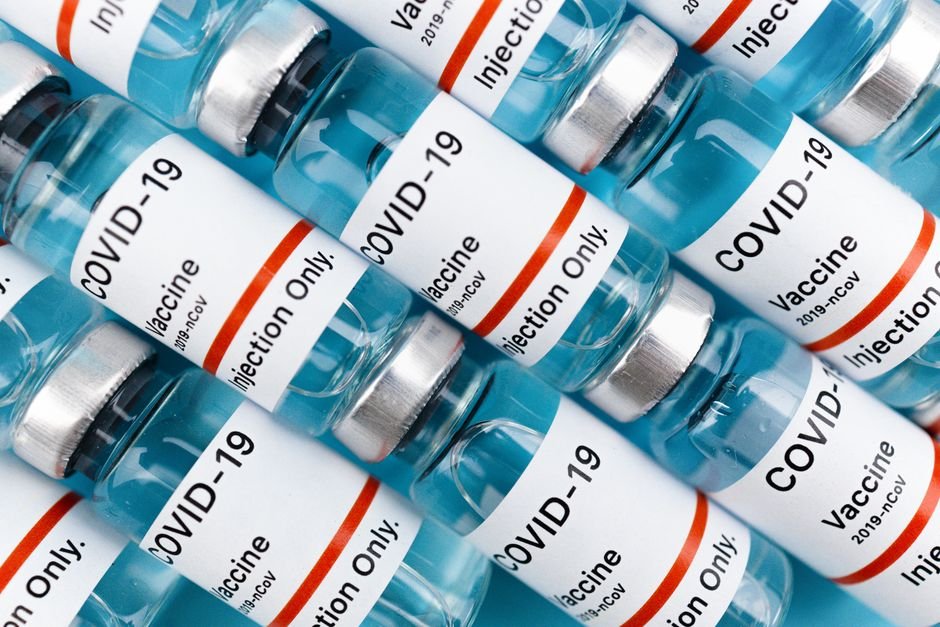
On Monday, the president signed an executive order recommending that American children receive fewer vaccines, that some shots be reserved for children judged to be at risk, and that the combined measles-mumps-rubella shot be broken apart into three separate injections. He signed it in the Oval Office, to applause, with Robert F. Kennedy Jr., his health secretary, at his side. It lands days before the start of the school year in several states and in the middle of the worst measles outbreak the United States has seen in thirty-five years.
The timing is the story. The order is nominally about flexibility and research; its effect, if followed, would be to reduce the number of children fully vaccinated against diseases that were nearly eliminated in this country. The combined MMR shot exists because it works: one visit, one injection, three diseases. The monovalent versions the order would substitute for it are no longer manufactured for use in developed countries, because splitting the shots multiplies appointments, and multiplying appointments multiplies the chances that families skip the second or third of them. Public-health officials point out that the combined vaccine raises coverage rather than risk, and that the claims made at the signing, that the shot could be lethal or that children are being injected with doses the size of soda bottles, have no basis in research. None of this stopped the applause.
The order does not stand alone; it stands on a record. A federal judge had already blocked an earlier attempt to cut the recommended vaccine schedule after roughly fifteen Democratic-led states sued. The new order is written to do by recommendation what the earlier attempt tried to do by rule, and the lawsuits that stopped the first version will have to find their way through the second. In the meantime, the numbers are doing their own arguing. The CDC counted 2,318 confirmed measles cases in the United States in 2026 as of late July, already more than the 2,289 cases recorded in all of 2025, a year that ended with three deaths, two of them small children. The last time the country saw figures this high was 1991, before the two-dose regimen made measles a memory. In 2000, the disease was declared eliminated in the United States.
The forecast is the part of this story that deserves the most attention, because it is already being written by the data. The current outbreak is not contained, and experts say the count will keep rising. Measles is the disease that comes back first, because it is the most contagious of the vaccine-preventable illnesses: it spreads through the air, lingers in rooms, and infects nearly everyone exposed who is not immune. The American Academy of Pediatrics has called the situation an avoidable crisis that falls hardest on children, and epidemiologists studying the outbreak say the pattern that produced it, falling vaccination rates, rising exemptions, and a health department now led by the country’s most prominent vaccine skeptic, will produce more of the same. The next diseases in line, they note, are whooping cough and the rest of the preventable list, each of them once common, each of them brought down by the same shots the order now recommends reducing.
The order’s real subject is not vaccines; it is the theory that vaccines are the problem. That theory has been tested repeatedly and has failed every test: no serious study has found a link between vaccination and autism, and the studies that claimed one have been retracted and discredited. What the theory has done, instead, is produce this moment: a government recommending fewer protections against disease at the precise moment the diseases are returning. The measles numbers are the forecast made visible. The whooping cough cases are the next line in it. America is being given a demonstration, in real time, of what happens when the state stops believing in its own public health. The epidemics are not hypothetical. They are already on the calendar.