

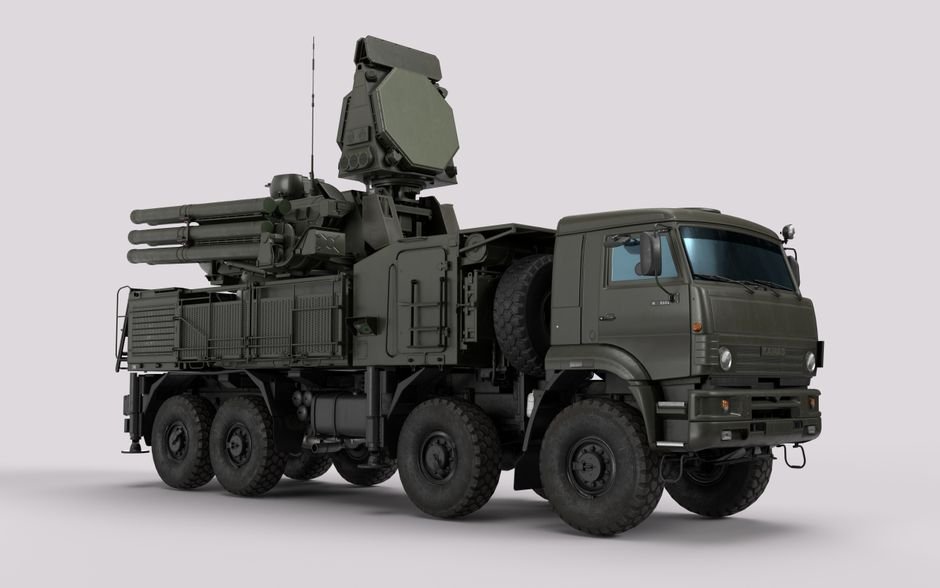
President Donald Trump announced at the NATO summit in Ankara that the United States will grant Ukraine a license to manufacture Patriot air defense systems on its own soil. It is the first time Washington has authorized an ally to domestically produce its most advanced anti-ballistic missile technology.
“We’ll give them the right to make Patriots,” Trump said alongside Ukrainian President Volodymyr Zelenskyy. “We’ll show them how to do it. I think they can produce them pretty quickly.”
Zelenskyy has been asking for Patriots, and later for a license to build them, since the first year of the war. Each month, the US manufactures roughly 600 Patriot interceptors per year, about 50 per month. Russia, by comparison, launches over 30 ballistic missiles per night against Ukrainian cities. The math has never been on Kyiv’s side.
The shortage has grown more acute because the US-Israeli war on Iran has drained global Patriot stockpiles. Gulf states have collectively fired more than 1,100 Patriot interceptors since the Iran campaign began in late February, roughly a third of available reserves. Lockheed Martin, the prime contractor, cannot ramp up production fast enough to cover two wars simultaneously.
For Ukraine, domestically produced Patriots would be transformative. The system is the only surface-to-air platform in Ukraine’s arsenal capable of intercepting Russian ballistic missiles, the weapons Moscow has used to systematically destroy Ukrainian energy infrastructure and hit city centers. Kyiv believes it has the industrial capacity to begin production quickly if it has the license and technical support.
The announcement also marks a shift in the Trump-Zelenskyy relationship. Earlier encounters between the two had been tense, with Trump questioning US aid to Ukraine and pressing for a negotiated settlement. At the Ankara summit, Trump praised Zelenskyy as having “done an amazing job” and called him “very effective.” He said a deal to end the war might be “hopefully soon.”
NATO also confirmed a 70-billion-euro ($80 billion) package of military equipment, aid and training for Ukraine in 2026, with a target of maintaining at least that level through 2027. The US contribution to that figure is unclear; European allies are expected to carry most of the weight.
The Patriot license does not solve Ukraine’s immediate problem. Building missiles takes time, even with US technical assistance. But it addresses the long-term vulnerability that has defined this phase of the war: Ukraine has the will to defend its skies but not enough interceptors to do it. That may now change.