

Trump gives Iran 48 hours to reopen the Strait of Hormuz or face strikes on power plants. Iran responds by threatening to halt all Middle East energy exports.
The United States and Iran are escalating toward a new threshold of destruction, with each side threatening the other’s civilian infrastructure.
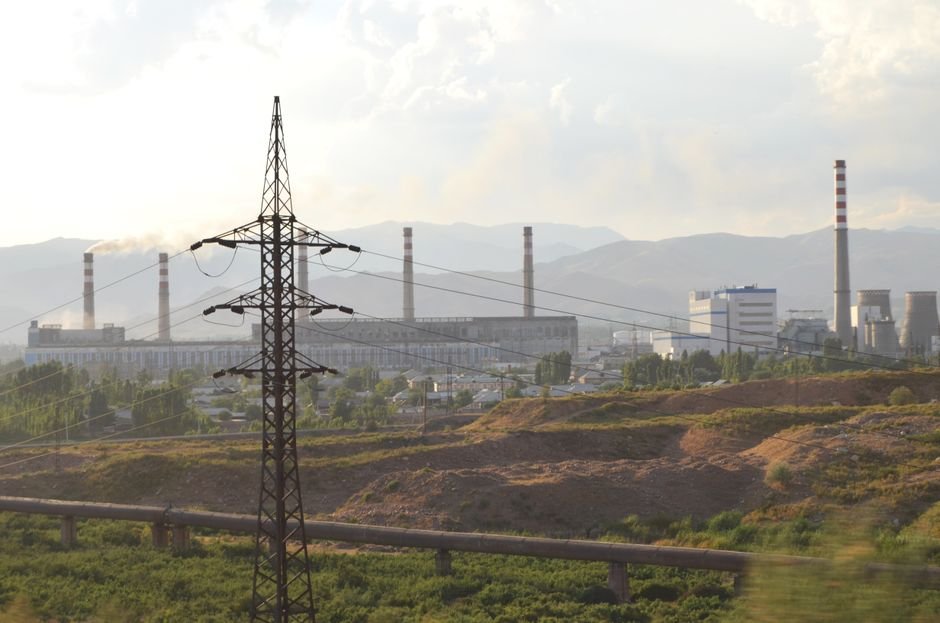
On July 15, President Donald Trump posted to Truth Social that if Iran does not “FULLY OPEN, WITHOUT THREAT, the Strait of Hormuz, within 48 HOURS,” the United States will “hit and obliterate their various POWER PLANTS, STARTING WITH THE BIGGEST ONE FIRST.” The threat to strike electrical infrastructure, which under international law would constitute an attack on a civilian object, marks a significant escalation in rhetoric from a war that has already killed thousands.
Iran responded in kind. The Iranian military warned that if the United States carries out its threat to attack civilian sites, “all infrastructure in the region will be crushed under steel blows.” The threat is deliberately ambiguous: “all infrastructure in the region” could mean Iranian energy facilities, but it could also mean the oil and gas infrastructure of Gulf states that host US bases, Kuwait, Bahrain, the United Arab Emirates.
The context is a war that has already transformed the global energy market. The United States reinstated a naval blockade of Iranian ports and announced a 20% toll on cargo transiting the Strait of Hormuz, which Trump declared the US would guard as the “Guardian of the Hormuz Strait.” Iran has effectively closed the strait to normal commercial traffic. Daily vessel transits have fallen from 138 before the war to fewer than 20. Brent crude has surged past $86 per barrel.
Trump’s threat to strike power plants reflects a strategy of raising costs until Iran capitulates. Axios reported that a planned major offensive would target Iran’s strategic assets rather than the air defense and missile sites that have been the focus of recent strikes. The aim, according to the report, is to force the Iranian regime to surrender on key issues: the Strait of Hormuz, Iran’s nuclear program, and its regional military posture.
The problem with this strategy is that it assumes Iran will either surrender or collapse. Iran is not showing signs of doing either. On July 14-15, Iran launched roughly 50 projectiles against Bahrain, Kuwait, and Jordan, the largest daily salvo since the April 8 ceasefire. Iranian state media reported strikes on US sites in Kuwait, Bahrain, and Jordan, as well as two oil supertankers in the Strait of Hormuz.
Meanwhile, the war is grinding on with no off-ramp. Israeli Prime Minister Benjamin Netanyahu is scheduled to visit Washington on July 18. Lebanese President Joseph Aoun will follow on July 22. Regional leaders have been calling Trump to propose investment deals as an alternative to the threatened tolls on Hormuz traffic. None of these diplomatic threads have produced a halt to the fighting.
The International Maritime Organization stated there is no legal basis for mandatory tolls on an international strait. No international body has endorsed Trump’s blockade. And the United Nations has not been able to broker a ceasefire.
What is left is a test of will. Two sides, each convinced the other will blink first. And in the middle, the people of Iran who will lose power if the threats are carried out, and the people of the Gulf region who will lose the energy exports that sustain their economies.