

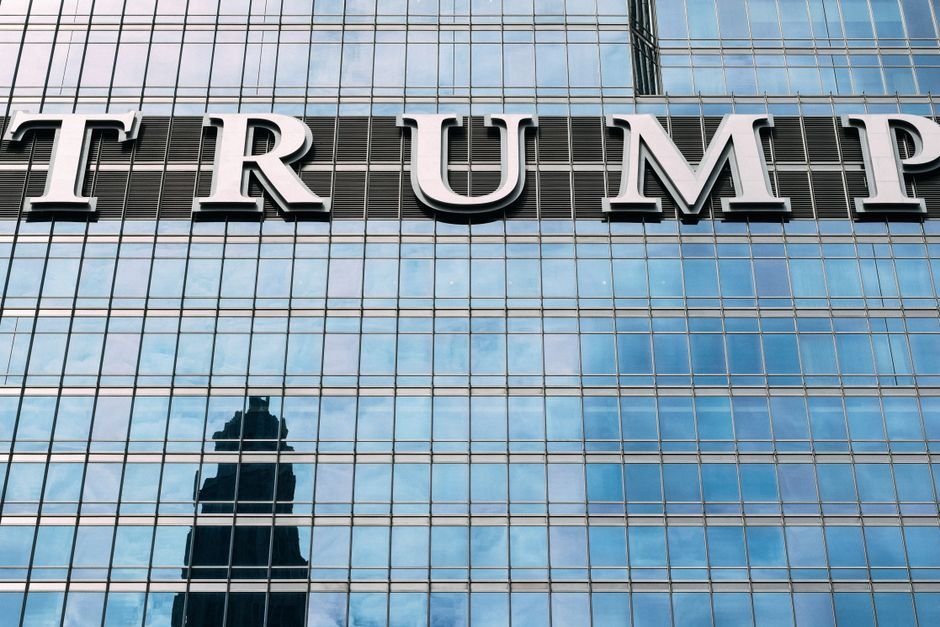
Donald Trump has threatened the European Union with “substantial” new tariffs after the European Commission fined Google €890 million in an antitrust case. The US president posted on social media that Europe is “robbing” American companies and taxpayers, and that the EU will pay a “very big price.”
The fine, announced Thursday, is the latest in a long line of European antitrust penalties against US technology giants. Google alone has now been hit with more than €8 billion in EU fines over the past decade, across multiple cases involving its search business, Android operating system, and advertising technology.
Trump’s response puts a match to the Turnberry agreement, the trade truce the US and EU reached in fall 2025. That deal was supposed to de-escalate a brewing transatlantic trade war by lowering tariff barriers and establishing a framework for resolving disputes. The Google fine, and Trump’s reaction to it, tests whether the agreement means anything in practice.
“It shows that the Trump administration considers the EU’s antitrust enforcement against American companies an act of economic warfare,” said one trade analyst quoted by Politico. Whether Brussels intended it that way or not, that is how Washington reads it.
Trump has floated using Section 301 of the Trade Act of 1974, the same tool he used against China in his first term, to launch a formal investigation into EU tech regulation. That could lead to tariffs on European goods far beyond the targeted retaliation he has deployed in recent weeks against other trading partners.
European officials argue that antitrust enforcement is a matter of law, not trade policy. The EU’s competition rules apply to any company doing business in the single market, regardless of nationality. Google was fined for abusing its dominance in the ad-tech market, conduct that, in Europe, is illegal.
Trump does not accept that distinction. For him, a fine on an American company is a fine on the United States. The retaliatory tariff is his default response to any foreign action he considers hostile to US commercial interests.
The sequence matters. Trump has already imposed tariffs on more than 80 countries in recent weeks. The EU had been spared the worst of it, protected by the Turnberry deal. This week’s events suggest that protection may be wearing thin.
The EU will now have to decide whether to retaliate in kind, tariffs on American goods, a challenge at the World Trade Organization, or absorb the blow and try to repair the agreement. Neither option is good for a European economy already facing headwinds from the Iran war’s effect on energy prices and the broader fragmentation of global trade.
A trade war with the United States is the last thing Brussels needs. But Trump has left it little choice.