

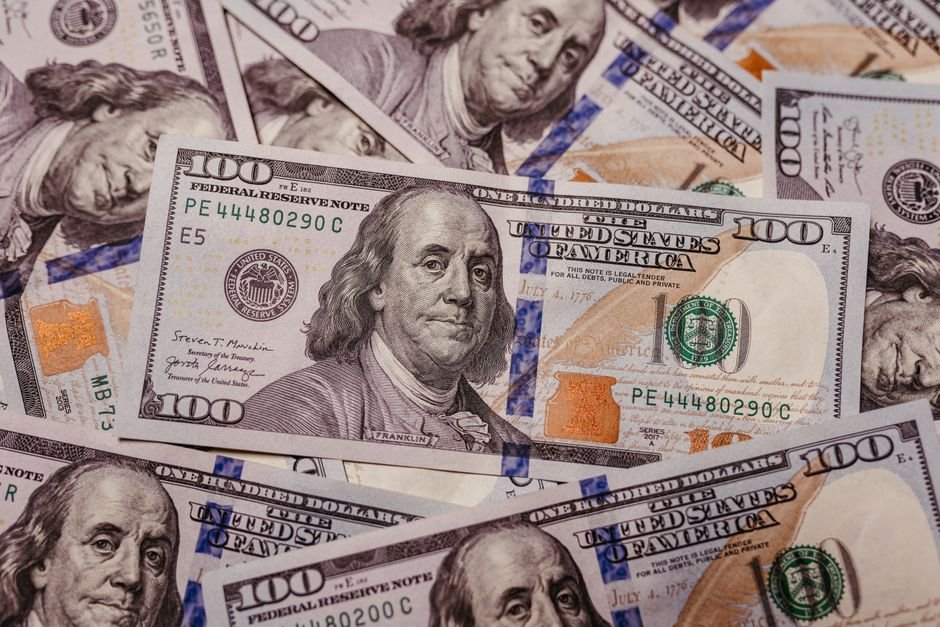
On Thursday, Japan and South Korea went into the currency market together, and Tokyo spent more in a single day than it ever has. On Friday, the United States joined them, and it paid in euros. The euro detail has produced a weekend of speculation. It deserves one paragraph, and then it should be dropped.
The facts. Bank of Japan data suggests Tokyo may have sold as much as $58.97 billion buying yen on Thursday. Bloomberg’s estimate from market data was nearer $53 billion. South Korea’s authorities sold dollars the same day, and the won firmed two percent to a nine-month high. Reuters sources described the joint move as rare and possibly unprecedented. It was not enough. By Friday morning in New York the yen sat near 164 to the dollar, its weakest against the dollar since 1986.
Then Washington moved. A Reuters photographer at a cabinet meeting caught Treasury Secretary Scott Bessent’s notepad: a to-do list, one item, buy Japanese yen, five to ten billion. The Treasury told banks to stand ready for future action. The Federal Reserve Bank of New York sold euros for yen on the Treasury’s behalf, through Goldman Sachs and Morgan Stanley. By the close the yen stood at 157.58. Japan’s top currency diplomat, Atsushi Mimura, said Tokyo was receiving American support of a kind that went beyond the psychological, and that he was in constant contact with the relevant authorities. Kyodo reports the two governments may announce something as early as this week.
Now the euros. The Exchange Stabilization Fund, created by the Gold Reserve Act of 1934 so that the Treasury could intervene without touching the domestic money supply, holds its foreign currency reserves in exactly two currencies: euros and yen. That is the entire menu. To buy yen, the account sells euros. It is also a small account. As of February its liquid assets ran to $23.5 billion in Treasury securities and $4.3 billion in foreign currencies and securities. The notepad’s five to ten billion is an operation sized to that account and the Federal Reserve’s matching reserves, not a coded message to Brussels. There is no signal here. There is a balance sheet.
The real question is why the United States joined at all, and the published answer is the honest one. It is about American debt.
Japan holds roughly $1.1 trillion in US Treasuries, the largest foreign holding in the world. Tokyo pays for interventions by liquidating foreign assets, and Treasuries are the most liquid thing it owns. A yen in free fall also pushes Japanese government bond yields up, and that pressure travels. Left to defend the currency alone, Japan would have been raising the cost of America’s own borrowing. Washington did not enter the market out of solidarity. It entered to protect the price of its own paper. That is not a scandal. It is a government doing the obvious thing.
What is genuinely interesting is the position that leaves Washington in, and here the record is stranger than any conspiracy.
Released on July 23, a week before the intervention, the Treasury’s semi-annual report on the currency practices of major trading partners kept Japan on the monitoring list, one of ten economies whose policies the department says merit close attention. The report flagged what it called excessive volatility in the yen. It noted that yen weakness had persisted even as the gap between American and Japanese interest rates narrowed. And it pressed the Bank of Japan to normalize policy and keep raising rates.
That is the document to read, because it reframes the contradiction most of the coverage is reaching for. This administration has accused Tokyo of holding the yen down for trade advantage, more than once and at the highest level, and that accusation is real. But it is not the whole record. A week before it acted, the same Treasury said in writing that the yen was now moving too violently and that the remedy was Japanese interest rates. Then it acted consistently with that. Bessent’s remark that the yen seemed very undervalued to him was made in the middle of this episode, not as part of the older complaint.
The intervention is not a reversal. It is a policy that ran out of patience.
That is also its limit. Intervention buys days. The rate gap sets the trend, and the Bank of Japan held rates steady on Friday, as expected. Tokyo has tested this before: a record 11.7 trillion yen, roughly $73 billion, spent between late April and early May this year, and the yen slid to four-decade lows anyway. Nothing that happened on Friday changes the arithmetic that produced the slide.
Washington already knows this and has already said so. Its own report named the remedy, and the remedy is not in American hands. Watch the Bank of Japan. The notepad was the story of one afternoon. The rate decision is the story of the year.