

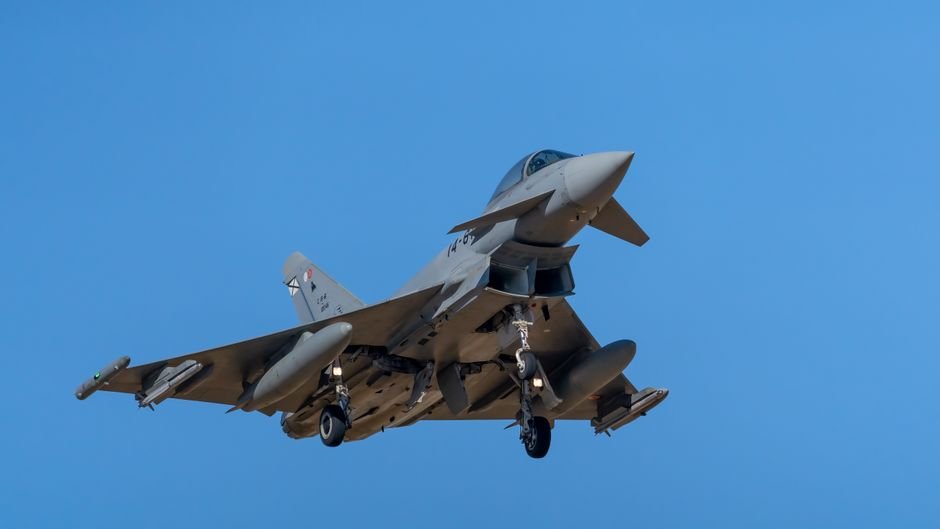
Taiwan produces the most advanced semiconductors on earth. The chips that run the world’s most sophisticated military systems – American fighter jets, missile guidance, drone swarms – are largely made on the island. But Taiwan’s own armed forces are struggling to adopt the AI tools that those same chips enable.
A detailed analysis published by War on the Rocks, written by researchers Fanny Chao and Sam Bresnick, identifies six barriers to military AI adoption in Taiwan. The picture they paint is of a military that produces cutting-edge hardware for others while running its own defense on outdated systems.
The problems start with governance. Taiwan’s military has no unified AI framework or common technical standards. Each branch develops systems to its own specifications, leading to duplicated investments and systems that cannot talk to each other. For a military that would need to operate alongside US and allied forces in a conflict, this fragmentation is a critical weakness.
Digital infrastructure is the second barrier. Taiwan’s military lacks bandwidth in remote areas, cloud storage, and computing capacity. Even if sophisticated AI tools were developed, there is no network to run them on.
Third is data. AI systems require large, clean, well-organized datasets to train on. Taiwan’s military data is siloed across units, uneven in quality, and insufficient in volume. Trained on what exists, the AI tools would be unreliable.
Fourth is cybersecurity. Taiwan’s current approach emphasizes strict hardware controls and air-gapping – physically isolating networks from the internet. This is directly incompatible with AI systems that need frequent software updates and broad data access. The tension is real: Chinese intelligence targets Taiwan constantly, and Taiwanese military personnel have leaked information to Beijing. But the solution – keeping everything locked down – also keeps AI out.
Fifth is civil-military collaboration. Taiwan’s tech giants are world leaders, but the military has limited access to their expertise. Espionage concerns create barriers. The Ministry of National Defense has started working with a new generation of drone manufacturers, which suggests the model is beginning to shift, but a coherent strategy is missing.
Sixth is talent. The armed forces lack AI expertise at every level. Taiwan’s soldiers are busy countering China’s daily coercive activities and conducting heightened training alongside their normal duties. There is no time to learn new systems, and the risk-averse bureaucracy discourages experimentation.
The irony is painful. Taiwan’s semiconductor industry is the reason the island matters to global security. But the military that would have to defend it cannot yet integrate the technology its own factories produce. If war comes, Taiwan will fight with American weapons running on Taiwanese chips – but with an indigenous command-and-control system that belongs to an earlier era.