

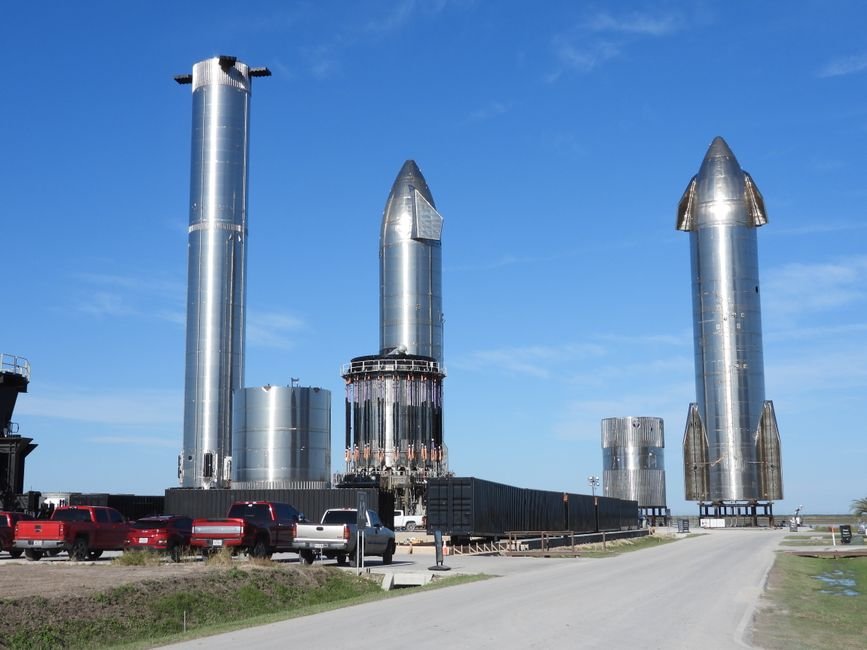
SpaceX scrubbed the launch of its Starship V3 rocket on Thursday evening after several Raptor engines on the Super Heavy booster failed to ignite as the countdown reached zero at the company’s Starbase facility in South Texas.
The rocket’s automated flight computer initiated a hold and abort call at T-0, triggering a delayed launch scrub. “We did trigger a hold on the booster that aborted our liftoff as we were starting to light those Raptor engines,” SpaceX livestream host Dan Huot said during the broadcast.
The launch, designated Starship Flight 13 and the second V3 test flight, had been scheduled for 6:45 p.m. EDT (22:45 UTC) on July 16. Teams immediately began offloading propellant after the abort. “Now offloading propellant. Next launch attempt hopefully in a few days,” SpaceX posted on X.
Flight 13 was intended to be a critical validation of the upgraded Starship V3 design, which features redesigned hardware on both the Super Heavy booster and the Starship upper stage. The company had planned to deploy Starlink satellite simulators during flight and conduct an in-space engine restart, neither of which occurred due to the scrub.
Starship V3 represents a significant upgrade over its predecessors. The third-generation booster is designed to be easier for the launch tower to catch and has one fewer grid fin. SpaceX also made changes intended to stop propellant leakage that has caused problems on multiple previous test flights.
This was the second consecutive Starship V3 attempt to end in a scrub at the pad. The first V3 launch attempt in May 2026 was also halted just before liftoff, though the vehicle successfully flew on the next attempt the following day.
SpaceX needs Starship V3 to become a reliable launch system as the company has made a massive bet on Starlink, which generated US$11 billion (approximately £8.5 billion) in revenue in 2025. The new rocket is also central to NASA’s Artemis program, which has selected a Starship variant for its lunar landing missions.
The Federal Aviation Administration oversees commercial launch licensing for Starship flights from Texas.
Sources: Ars Technica; Space.com