

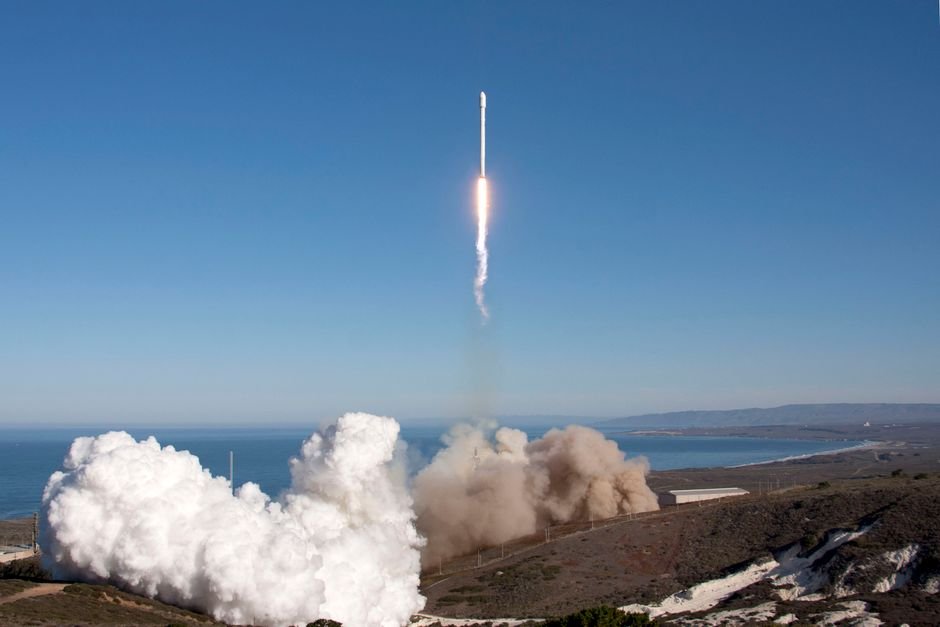
Pentagon launch budget balloons past $30 billion as Space Force demand surges
The U.S. Space Force has tripled the ceiling on its main commercial launch contract to $17 billion, pushing the military’s total launch procurement past $30 billion as the Pentagon races to deploy new satellite constellations for missile defense, surveillance, and data relay.
The expansion of the National Security Space Launch (NSSL) Phase 3 program reflects a dramatic shift in military space ambitions. Just one year ago, officials projected roughly 84 missions across both lanes of the program. Today, that number has grown significantly, with no sign of leveling off.
How the program works
The NSSL procurement is split into two tiers. Lane 1 covers less sensitive missions: experimental payloads, rideshare launches, and satellites for data relay or surveillance networks. Commercial providers can compete here without extensive government certification, keeping the barrier to entry low.
Lane 2 is reserved for the Pentagon’s most critical assets: the largest spy satellites, radiation-hardened communications platforms built to survive nuclear conflict, and other high-priority national security payloads. Only rockets that pass the military’s rigorous certification process qualify. Currently, SpaceX’s Falcon 9 and Falcon Heavy, plus United Launch Alliance’s Vulcan, hold that certification.
A growing roster of providers
Space Systems Command initially selected SpaceX, ULA, and Blue Origin for Lane 1 in 2024. Rocket Lab, Stoke Space, and most recently Relativity Space and Impulse Space have since joined the pool. The Space Force issues annual requests for proposals and awards fixed-price task orders to winners. SpaceX has captured the majority so far; Blue Origin won its first Lane 1 order earlier this year.
The original five-year plan called for at least 30 Lane 1 task orders at a $5.6 billion cap. The Lane 2 contract was set at $13.7 billion for 54 launches through 2029. But by April, Space Systems Command had identified 25 additional Lane 2 missions beyond the original estimate, and now the Lane 1 ceiling has been tripled.
What is fueling the growth
Officials have not released a detailed breakdown, but several major programs are clearly behind the surge.
The Space Force recently awarded multibillion-dollar contracts to SpaceX for the Space Data Network (SDN) and Airborne Moving Target Indicator (AMTI) constellations, global satellite networks designed to provide connectivity and targeting data for U.S. forces.
The biggest driver may be Golden Dome, the Trump administration’s proposed missile defense shield, which is expected to require large numbers of space-based sensors and interceptors.
The budget trajectory confirms the trend. The White House requested $71.1 billion for the Space Force in fiscal year 2027, nearly double the roughly $40 billion allocated in 2026. The House Appropriations Committee is proposing $55.5 billion, while the Senate has yet to release its version.
With the combined NSSL contract value already exceeding $30 billion and still climbing, the military’s appetite for launch services shows no sign of leveling off.
Clark – 1ban.news