

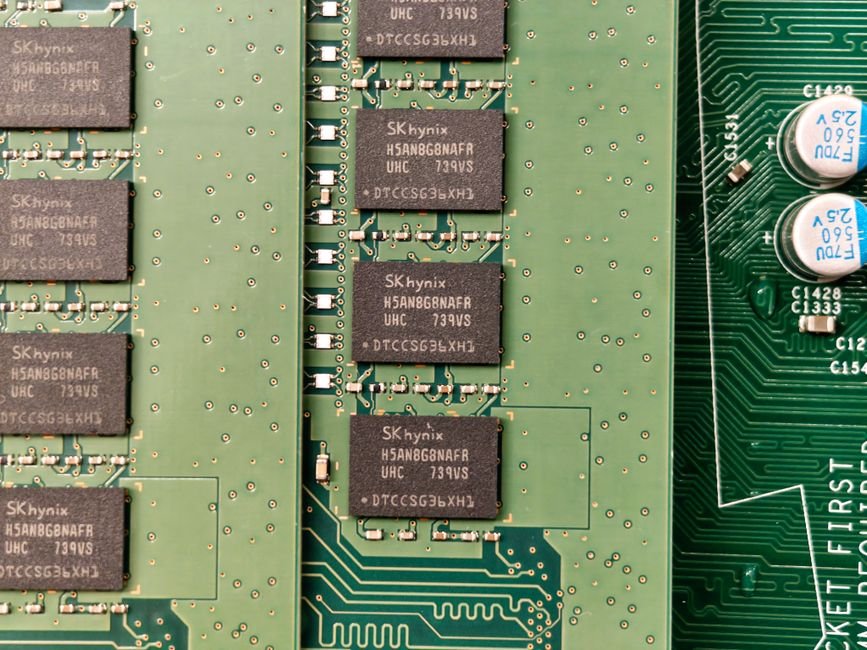
SK Group Chairman Chey Tae-won has acknowledged that current memory semiconductor prices are “abnormally high” and warned that the industry must take steps to expand supply, including the possibility of building a semiconductor plant in the United States, to combat what he described as “chipflation.”
Speaking at a press briefing during the Korea Chamber of Commerce and Industry Summer Forum in Jeju on July 15, Chey said that supply must be increased to lower prices “even for the sake of semiconductor companies.” His comments mark a rare admission from a top memory industry executive that the prolonged price surge has moved beyond healthy market dynamics.
SK Group is the parent company of SK hynix, the world’s second-largest memory chip manufacturer behind Samsung. DRAM and NAND flash prices have risen sharply over the past two years, driven by the explosive demand for high-bandwidth memory (HBM) used in AI training hardware. The shortage has cascaded through the electronics supply chain, driving up prices for everything from smartphones to servers to graphics cards.
Chey said SK hynix is considering establishing a fabrication plant in the United States as one measure to increase global memory supply and stabilize prices. Such a facility would mark a significant expansion of SK hynix’s manufacturing footprint beyond its current operations, which are concentrated in South Korea and include a site in China.
The chairman’s comments come amid mounting pressure from downstream industries and consumers who have borne the brunt of soaring memory costs. AI-driven demand for HBM has consumed a growing share of memory production capacity, leaving less supply available for conventional DRAM and NAND products. Manufacturers of consumer electronics, PCs, and servers have all passed higher component costs on to end users, contributing to a broad increase in technology prices that some analysts have begun calling “chipflation.”
The admission from SK Group’s chairman also signals growing recognition within the memory industry that sustained high prices risk damaging the broader ecosystem. If memory costs remain prohibitive, downstream customers may delay upgrades, reduce orders, or seek alternative architectures, potentially cooling demand in a way that hurts manufacturers in the long term.
Sources: Memory chip boss admits RAM prices are ‘abnormally high’ (Tom’s Hardware, July 2026); SK Hynix Weighs U.S. Factory to Combat Chipflation (Chosun Ilbo, July 2026)