

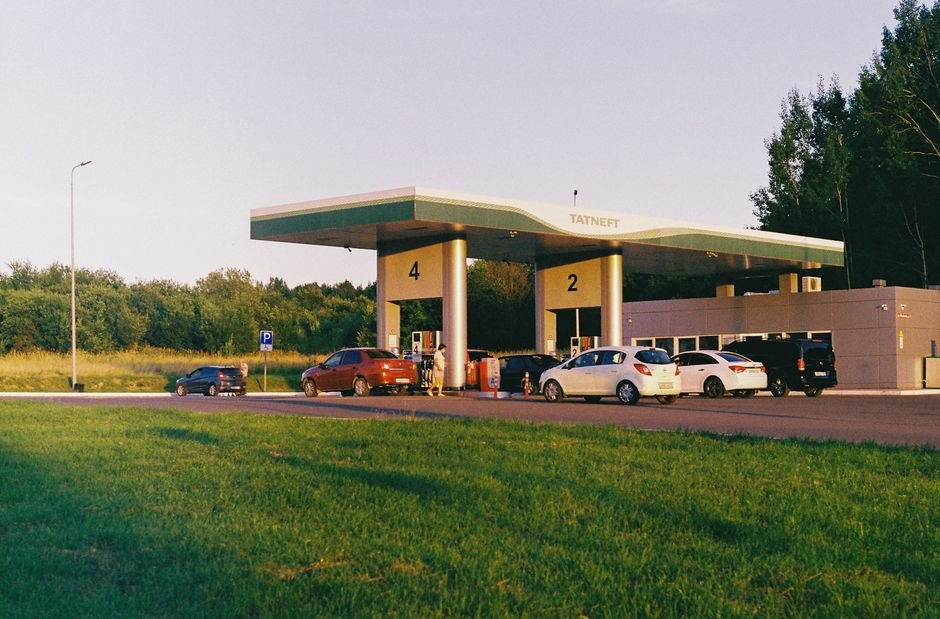
Long lines at gas stations have become a daily reality across Russia, as Ukraine’s relentless drone campaign against oil refineries and fuel depots triggers the worst fuel crisis the country has faced since the war began.
Russia, one of the world’s largest oil producers, is now rationing gasoline. In Crimea, authorities restricted sales to 20 liters per vehicle per week, using prepaid coupons that sell out within minutes of release on a government messaging app. Motorists wait for hours. Some stations have simply run dry.
The crisis is the direct result of a sustained Ukrainian campaign to degrade Russia’s fuel supply chain. For weeks, Ukrainian drones have struck refineries, pipelines, storage depots, and fuel convoys across Russian territory and occupied Crimea. The strikes target not just military logistics but the economic infrastructure that keeps the war economy running.
The Kerch Bridge, which links Crimea to the Russian mainland, has been hit repeatedly. The Chonhar Bridge, a key road link, was struck again this week. Pontoon bridges have been deployed, but their capacity is limited. Tanker trucks headed for Crimea are attacked and left burning.
The Ukrainian military says the campaign has two aims: to deny Russia the fuel it needs to supply its front-line forces in Ukraine, and to bring the war home to ordinary Russians who have largely been insulated from its costs.
On that second score, it is working. Gasoline shortages are now reported from western Russia to the Pacific. Moscow has imposed measures to combat the shortages. Russia has turned to India for gasoline imports, a humiliating reversal for an energy superpower.
The economic impact compounds the problem. GlobalSecurity.org estimates that Ukrainian strikes have taken a significant fraction of Russia’s refining capacity offline. The Institute for the Study of War reported that Russia’s refining output dropped by roughly a quarter after sustained strikes on the Kapotnya refinery near Moscow and other facilities.
President Putin convened an emergency meeting on fuel supplies in late June. Authorities in Crimea declared a state of emergency as fuel and water shortages prompted a civilian exodus from the peninsula.
The fuel crisis is reshaping Russian daily life in ways the Kremlin never intended. Long queues, price increases, and rationing are creating a new source of public discontent, and Ukraine shows no sign of letting up.