

From the deck of the missile cruiser Varyag, somewhere off the island of Sakhalin, Vladimir Putin delivered a warning that turns Europe’s sanctions strategy back on itself. If European states seize vessels carrying Russian cargo, he said on Wednesday, Moscow will respond in kind, and it will do so wherever it chooses. The Russian president, overseeing naval exercises in the Far East, told reporters that Russia would be forced to respond in kind and could act anywhere it deemed necessary and appropriate.
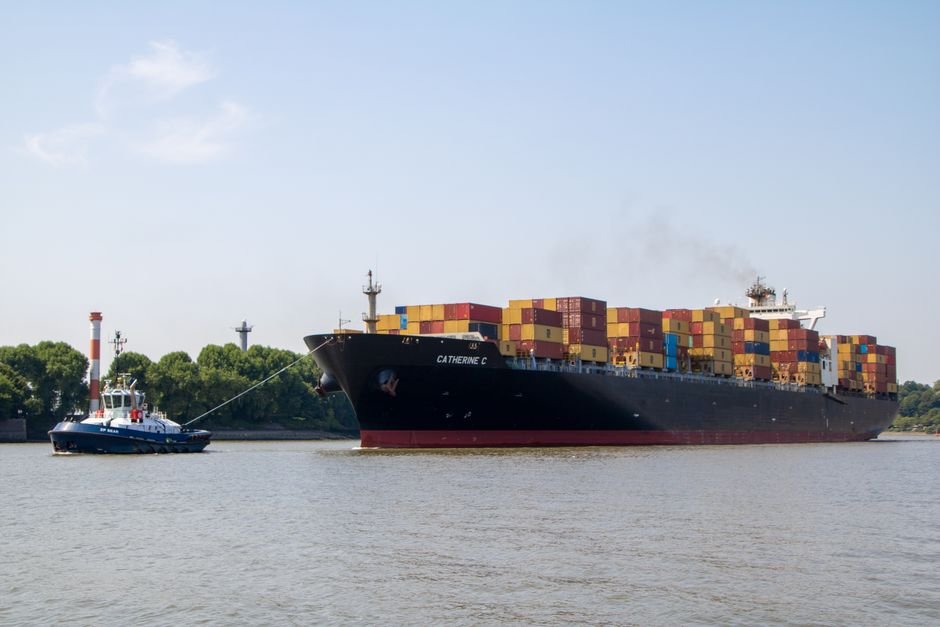
The threat is not abstract, and the trigger is specific. Last month the EU passed a sanctions package that lets member governments sell oil and other goods taken off shadow-fleet ships, the aging tankers that carry Russian crude in defiance of Western restrictions. European navies and companies have already started intercepting those vessels. The EU’s IRINI mission boarded a shadow-fleet tanker in the Mediterranean at the start of August. Swedish court documents show Stockholm intends to hand over a seized Russian ship, one suspected of hauling grain from occupied Ukraine, to Kyiv. The Europeans are no longer just detaining ships. They are taking the cargo, selling it, and giving the vessels away, and Putin has now named what he considers the next move in that sequence: taking European ships in return.
A property war at sea
What is happening is the escalation of the sanctions fight from finance into property. For a sanctions regime to bite, the cargo has to be confiscated, and confiscated cargo is worth more than detained ships. Europe discovered that arithmetic and acted on it. Russia’s answer is the oldest logic in maritime conflict: if you take my ships, I take yours. Putin called the European seizures piracy and banditry, which is a strange phrase from the leader of a country that has spent four years weaponizing its own fleet against its neighbors, but it tells you how Moscow intends to frame the fight. Whoever seizes a merchant ship first is the pirate. Both sides now claim the other started it.
The deliberate vagueness is part of the message. Putin did not say which European vessels Moscow might target, or where, or when. That is the point of the threat. Every European-flagged tanker, every cargo ship carrying European goods through Russian waters or within range of Russian ports, now has to wonder whether it is a hostage in waiting. The uncertainty is the weapon, because it raises the cost of insurance and the risk premium on every voyage touching the region. A threat you cannot price is more expensive than a threat you can.
The Pacific stage is not an accident
The setting matters as much as the words. Putin made the speech from a warship during Pacific Fleet exercises, seven days before American and South Korean forces are due to stage their own war games rehearsing a conflict with North Korea. Moscow is telling Washington and Seoul, and everyone watching the Asia-Pacific, that the seizure war will not stay in European waters. Russian state media had him blaming NATO for making inroads into the region, a standard complaint, but the placement of the warning is the real text: Russia can reach European commerce in the Pacific too, and it is practicing.
The skeptic’s case deserves its weight. Threats from Russian warships are cheap, and seizing a European merchant vessel would be an act against a civilian target that even Moscow’s allies would struggle to defend. Such a move could trigger exactly the kind of coordinated NATO response Putin wants to avoid. The promise to respond wherever necessary may be deterrence theater, designed to make European governments hesitate before selling confiscated oil, not a blueprint for actual seizures.
But the pattern cuts the other way. The two sides are already deep into the escalation this threat describes. Europe confiscates and sells, Sweden transfers a ship to Ukraine, the EU navy boards tankers, and Russia announces it will answer in kind. Each step makes the next one easier to take, and the step after a threat is the act. The shadow fleet was built to make sanctions unenforceable. Europe decided to enforce them anyway. Putin has now said what enforcement will cost, and the bill, if it ever comes due, will be paid by merchant sailors who had nothing to do with the war, on ships that never carried Russian oil. That is how economic warfare ends up with hostages, and nobody on either side has yet found the brake.
Sources: Al Jazeera, Reuters, Euronews, Firstpost