

NASA IG Audit Suggests Boeing’s Starliner Will Be a Decade Late for Certification
Date: 2026-07-02
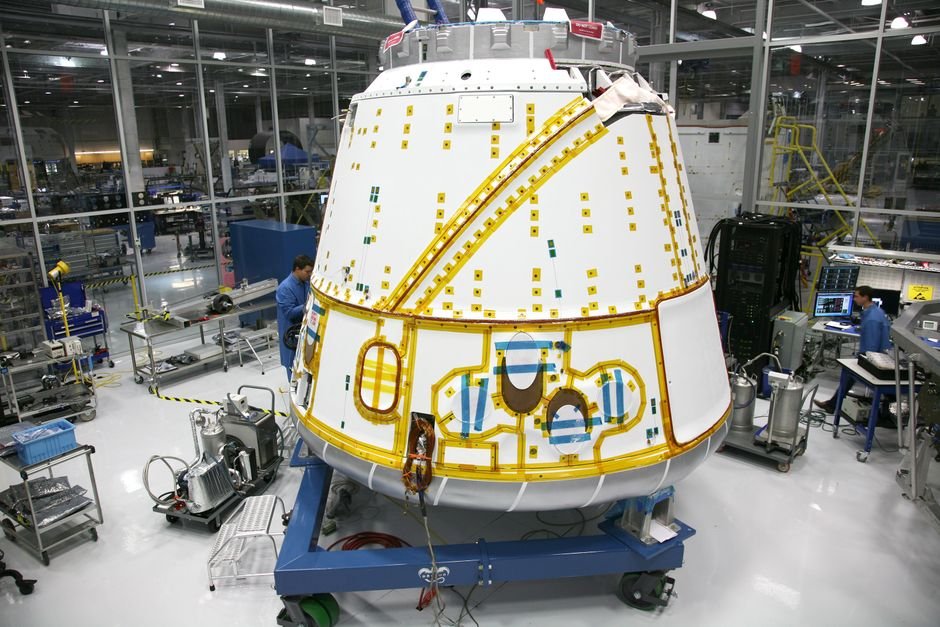
Featured image: Boeing’s CST-100 Starliner approaches the International Space Station during its Crew Flight Test; credit: NASA
Boeing’s CST-100 Starliner crew capsule may not achieve NASA human-rating certification until 2027, a full decade later than originally planned, according to a scathing new audit from the NASA Office of Inspector General released June 30. The report (IG-26-011) questions $127.9 million in milestone payments to Boeing and identifies three root causes for the program’s persistent delays: overconfidence in Boeing’s heritage systems, unrealistic schedules, and gaps in NASA oversight.
The audit paints a stark contrast between the two Commercial Crew contractors. SpaceX’s Crew Dragon earned certification in 2020 and has since flown 12 crewed missions. Boeing’s Starliner, awarded a $4.2 billion contract in 2014 (versus $2.6 billion for SpaceX), has yet to carry a single operational crew.
The program’s most recent setback came during the Crew Flight Test (CFT) in June 2024. Originally planned as an 8-day mission, Starliner remained docked to the International Space Station for 286 days while NASA and Boeing investigated helium leaks and propulsion system thruster failures. The crew ultimately returned to Earth aboard a SpaceX Crew Dragon in March 2025. NASA did not classify the CFT as a Type A mishap, the most serious category comparable to Challenger or Columbia, until February 2026 — 21 months after launch.
The OIG found that NASA was “overconfident in Boeing’s design and potential success” due to the company’s long heritage in human spaceflight, and allowed Boeing to skip integrated testing of heritage systems as a result. Since May 2021, NASA’s Commercial Crew Program operated under the assumption that CFT was only six months away, a projection that proved false for more than three years. Boeing announced more than 30 different target launch dates for CFT over five years.
Contract terms also limited NASA’s access to Starliner flight simulator data, and the agency did not exercise its contractual data rights to review Boeing’s simulation training failures. The CFT crew later noted that this contrasted sharply with the Space Shuttle era, when simulation failures triggered full and open investigations reported to flight crews.
The OIG recommended that NASA defer milestone payments for Starliner-3 until certification is complete, create a firm flight schedule, document all CFT issues in the mishap information system, ensure data access rights to simulation testing, clarify mishap-classification requirements, and prioritize hiring for critical commercial crew skills. NASA concurred with all six recommendations.
Boeing CEO Kelly Ortberg struck a more optimistic note in a June 25 Aviation Week interview, stating that “most of the corrective actions that came out of the prior flight test” have been completed and that he is “more confident that we have our arms around what needs to be done.” The company still plans a cargo-only Starliner-1 mission and three subsequent crewed flights under its remaining contract.
However, with the ISS scheduled for decommissioning in 2030, the OIG expressed doubt that all three crewed flights can be completed before the station’s retirement. The Commercial Crew Program office has also lost 21 percent of its personnel through attrition and reorganization as of April 2025, further constraining oversight capacity.