

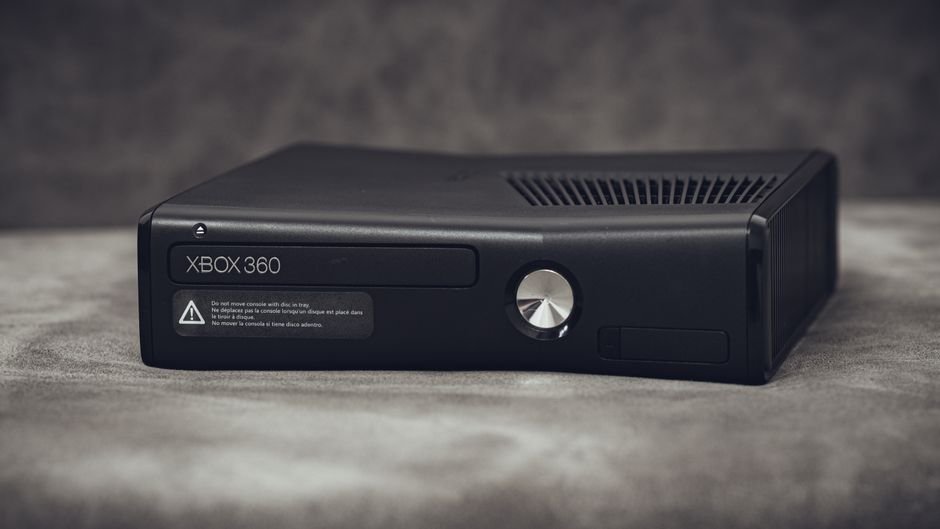
Reports that Microsoft has considered spinning off or selling its Xbox gaming division have raised a question that does not have an obvious answer: who would actually buy it?
The Information reported in June that Microsoft had discussed options including restructuring Xbox as a wholly owned subsidiary — modeled on how LinkedIn and GitHub operate within the company — or creating a joint venture that could make the gaming unit easier to sell. While no restructuring is imminent and all options remain on the table, the reports reflect a fundamental reassessment of Xbox’s place inside Microsoft.
The problem
Xbox has struggled in recent years. Microsoft’s bet on Game Pass subscriptions and cloud gaming has not fully offset declining console sales and a shortage of blockbuster titles. The February 2026 retirements of CEO Phil Spencer and his expected successor Sarah Bond, followed by the appointment of Asha Sharma as the new Xbox CEO, signaled a leadership reset. Bloomberg reported that Xbox is planning major layoffs and significant cuts to marketing budgets — the first major restructuring under Sharma’s leadership.
Meanwhile, Microsoft has been redirecting resources aggressively toward AI infrastructure, with capital expenditure reaching US$140 billion (approximately £109 billion) annually. In that context, a gaming division that requires its own substantial content investment — Sharma’s plan reportedly includes increased spending on Halo, Fallout, and The Elder Scrolls development — may not fit as naturally as it once did.
The buyer problem
If Microsoft were to sell rather than spin off, the pool of potential buyers is surprisingly small.
Sony is the obvious console competitor, but regulatory hurdles would be immense — combining PlayStation and Xbox under one owner would face years of antitrust scrutiny globally. Amazon has the balance sheet but has not demonstrated sustained commitment to gaming content development. Apple has the cash and the chip expertise but has shown no interest in buying into the console market. A private equity buyer could structure a deal, but running a first-party game studio network with multi-year development cycles is not a typical private equity strength.
A spin-off as a standalone public company — distributing Xbox shares to Microsoft shareholders — faces the opposite problem. A standalone Xbox would need to fund its own research and development, compete against Sony and Nintendo without Microsoft’s balance sheet as backstop, and persuade investors to bet on a turnaround without a parent company safety net. The LinkedIn and GitHub model — operating as a subsidiary under Microsoft ownership — may be the most realistic path, preserving operational independence without forcing the division to stand entirely on its own.
Timing matters
The calculus could shift significantly depending on when any decision is made. Xbox has major titles in the pipeline — Halo: Campaign Evolved in July 2026, Gears of War: E-Day in October, and Fable in early 2027. A successful run of releases could dramatically change the division’s valuation. A spin-off announced before those titles ship would risk undervaluing the gaming business; one announced after a strong sales year would price it near its peak.
For now, Microsoft appears to be keeping all options open, but the question of who would buy Xbox — or whether it is better off inside the company that built it — remains unanswered.
Sources: If Microsoft sold off Xbox, who would even buy it? (The Verge, July 8, 2026); Microsoft has considered spinning off Xbox (Reuters via Manila Times, June 14, 2026); Selling Xbox is reportedly on the table (Game Rant, June 2026)