

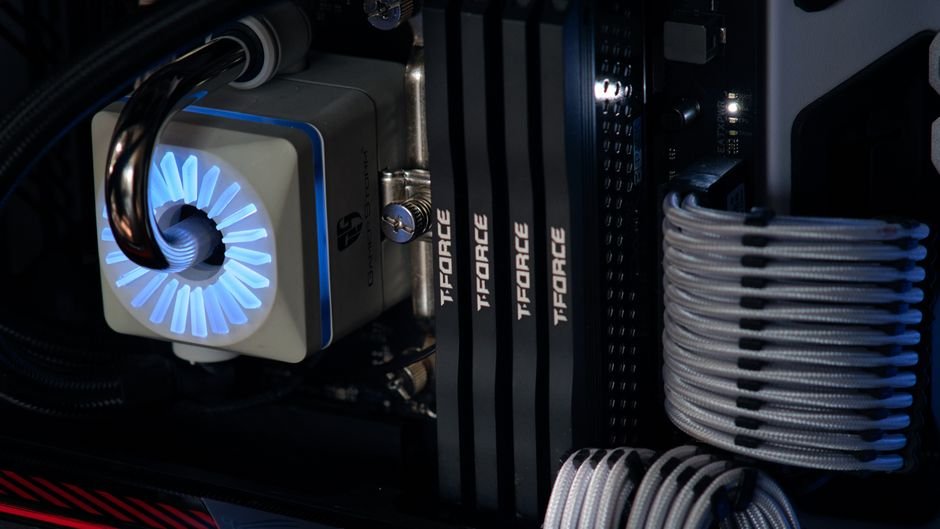
The blistering memory price increases of the past year are showing signs of moderating, but analysts caution that DRAM and NAND prices will keep climbing through the third quarter of 2026 as AI infrastructure demand continues to consume available supply.
According to Tom’s Hardware, the rate of price growth is slowing as consumer buyers reach the ceiling of what they can afford for PCs, laptops, and smartphones. The moderation is driven by demand-side resistance rather than any easing of supply constraints, and that distinction matters for what comes next.
How bad the surge has been
Memory prices have risen dramatically since late 2024. DRAM contract prices surged more than 90 percent quarter-on-quarter in Q1 2026 alone, following a 172 percent year-on-year increase by the end of 2025, according to TrendForce data. NAND flash prices followed a similar trajectory, with wafer pricing rising 246 percent compared to early 2025 and consumer SSD prices roughly doubling from approximately US$45 (approximately £35) to nearly US$90 (approximately £71) for 1 TB models.
The root cause is a structural reallocation of manufacturing capacity. An estimated 66 percent of global DRAM output is now allocated to AI-related applications, primarily HBM (high-bandwidth memory) for GPU accelerators, dramatically restricting supply for conventional DDR4, DDR5, and NAND products. The three dominant manufacturers, Samsung, SK hynix, and Micron, have all prioritized HBM production, where margins are significantly higher.
Signs of a ceiling
The cooling is coming from consumer-side resistance. Device makers have already raised prices substantially, Apple’s Mac and iPad lineups, and PC makers including Dell and Lenovo, have all passed through higher memory costs. With average laptop prices requiring roughly 40 percent increases over 2025 levels for manufacturers to maintain margins, demand is beginning to soften.
Counterpoint senior analyst Jeongku Choi noted that “for device manufacturers, this is a double whammy, rising component costs and weakened consumer purchasing power will likely slow the demand as the quarter progresses.”
What comes next
Investment bank Jefferies projects memory prices will rise another 40-50 percent quarter-on-quarter in Q3 2026, followed by 30-40 percent in Q4. Full-year growth in 2027 is still expected at 40-45 percent, with significant deceleration not likely until 2028. Micron CEO Sanjay Mehrotra has warned that supply tightness will continue into 2027.
The cooling rate of price growth is therefore not the same as prices falling, it is simply the difference between “rising extremely fast” and “rising fast.” For consumers, that distinction offers limited comfort. PC and smartphone buyers should expect elevated prices to persist for at least another 12-18 months.