

Israel has no intention of withdrawing its troops from southern Lebanon, Defense Minister Israel Katz declared this week, directly undercutting the fragile U.S.-Iran peace process that entered a critical 60-day negotiation window just days ago.
Speaking at a conference in Tel Aviv, Katz made the government’s position unmistakably clear. “The IDF is prepared… and we are not retreating. We announced that in any case we are not withdrawing, and as of this moment, and this is a political achievement, there is no American demand for Israel to withdraw from Lebanon,” he said. The statement echoes Prime Minister Benjamin Netanyahu’s own position and signals that Israel intends to maintain its expanded footprint in Lebanese territory regardless of the broader diplomatic landscape.
The timing could hardly be more consequential. The United States and Iran signed an accord last week extending a fragile ceasefire and setting the stage for 60 days of intensive talks aimed at reaching a permanent peace agreement. But the first serious hiccups have already emerged. Israel’s continued military campaign in southern Lebanon has prompted Iran to threaten the closure of the Strait of Hormuz, a move that would roil global energy markets and dramatically escalate tensions across the region.
The gap between Washington’s optimistic framing and the on-the-ground reality is widening. President Donald Trump told reporters that Iran is “being very nice” and “agreeing to everything that I want,” projecting confidence that the talks will bear fruit. The U.S. and Iran, however, appear to have significantly different interpretations of the memorandum of understanding they signed, particularly over the question of Lebanon.
For Tehran, the fighting in southern Lebanon is inseparable from the ceasefire with the United States. Iranian parliamentary speaker Mohammad Bagher Ghalibaf made this linkage explicit. “For us, a ceasefire in Lebanon is as important as a ceasefire in Iran and, further, an end to the war in Lebanon is as important as an end to the war in Iran,” he said. Iran insists that Israel must stop its military operations in Lebanon and withdraw its troops from the south as part of any broader understanding. Yet Israel is not a party to the U.S.-Iran talks, and it has shown no willingness to bend.
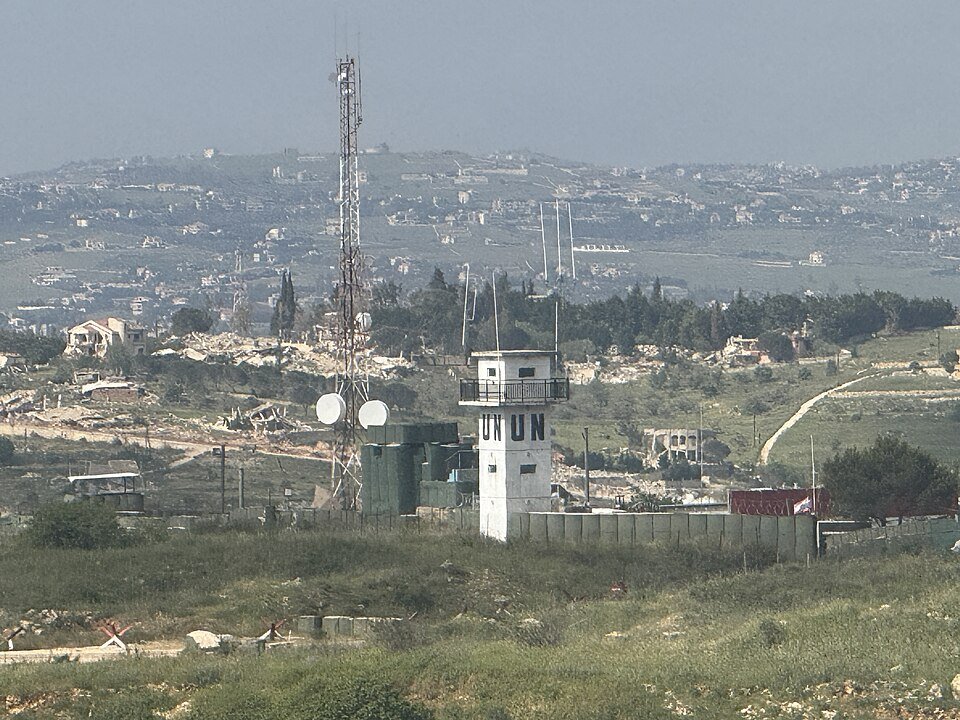
Israel has occupied large swathes of southern Lebanon in what it calls a “security zone,” an arrangement that predates the current round of diplomacy but has expanded during the recent conflict. The Israeli government and the Lebanese government have been engaged in separate U.S.-mediated talks over a potential Israeli withdrawal. Israel wants a phased approach: hand territory over to the Lebanese army, which would then be responsible for keeping the area clear of Hezbollah fighters.
These negotiations, however, conspicuously do not involve Hezbollah itself, raising serious questions about their effectiveness. Any agreement that excludes the dominant military and political force in southern Lebanon would rest on shaky ground. And Iran, Hezbollah’s primary patron, is not part of the Israel-Lebanon talks either, even as it has explicitly linked its own ceasefire commitments to an end of hostilities in Lebanon.
Katz’s blunt refusal to withdraw, combined with his claim that the United States is not demanding a pullout, places the Trump administration in a difficult position. If Washington is unwilling or unable to press its closest regional ally on the Lebanon question, Iran may view the entire 60-day negotiation framework as hollow. A senior Iranian official was quoted by state media as saying that “the ink on the MOU is barely dry and Israel is already sabotaging it.”
The broader regional picture adds further complexity. Trump has also indicated a willingness to share F-35 fighter jet technology with Turkey and plans to visit Ankara for a NATO summit, a move that could reshape military balances in the eastern Mediterranean. For Israel, which has long enjoyed a qualitative military edge in the region, any such arrangement would be unwelcome.
As the 60-day clock ticks down, the fundamental contradiction at the heart of the U.S.-Iran peace process grows harder to ignore. Washington is trying to negotiate a comprehensive ceasefire with Tehran while its primary regional partner actively expands a military occupation that Iran has identified as a red line. Katz’s statement this week was a signal to all parties that Israel will not be bound by a deal it did not sign and does not support.
The question now is whether the Trump administration can bridge the gap between its Iranian interlocutors and its Israeli allies before the 60-day window closes. If Israel’s position on Lebanon remains fixed, and Iran continues to treat the Lebanon campaign as a deal breaker, the nascent peace process may collapse before it ever truly begins.