

Iran has warned Bulgaria not to allow the United States to use its territory for military operations, the clearest sign yet that the war is pushing outward from its original theater and dragging in countries that never asked to be part of it.
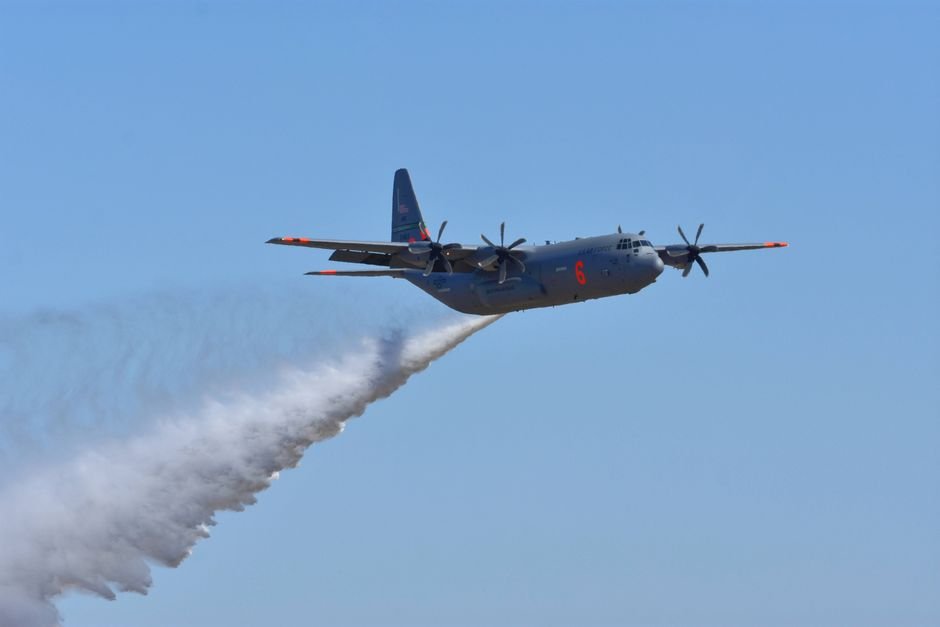
The Bulgarian government wants parliamentary approval to station up to eight US aerial refueling tanker aircraft at the Bezmer military facility, about 260 kilometers southeast of the capital Sofia. The planes are used for mid-air refueling of combat aircraft, a logistical function, not a strike role. But for Tehran, the distinction does not matter.
Iran’s foreign ministry spokesman, Esmail Baghaei, said any activity that facilitates US attacks on Iran would make Bulgaria an “accomplice of aggressors and lawbreakers,” according to Iranian state media.
“Any help or assistance to the United States for military operations against Iran is considered complicity in aggression and war crimes,” Baghaei said, urging Bulgaria not to become “an accomplice of aggressors and lawbreakers.”
A NATO member between two fires
Bulgaria is a NATO member and an EU member. It shares a border with Turkey, which also hosts US aircraft at Incirlik Air Base. Strategically, it sits on the western edge of the Black Sea, close enough to Iran’s potential missile and drone flight paths to matter.
The Bezmer base was originally built for Soviet-era air forces. Bulgaria spent years modernizing it after joining NATO in 2004. Now it has become a bargaining chip in a war the country never voted on.
This is not a hypothetical threat. Iran has already struck US allies it accuses of collaboration. It has vowed retaliatory strikes against Gulf Arab states that provide logistical support. Iranian officials have warned both Turkey and Azerbaijan against allowing attacks from their territory.
“Turkey and Azerbaijan are not our targets,” Iranian military advisor Yahya Rahim Safavi said earlier this week. “However, there must be no attacks launched against us from their territory; otherwise, we will target them.”
Turkey has reportedly told Iran that Incirlik will not be used for strikes. Bulgaria has not made any such assurance.
The ceasefire that was not
The timing matters. The US and Iran have spent the past month exchanging strikes at an escalating tempo. An interim ceasefire deal signed in June, the one Trump walked away from last week, raised hopes of a pause. Instead, the fighting resumed with more intensity than before.
A month ago, the two sides were talking. Now Iran is threatening a Balkan NATO member, US tankers are moving toward Bulgaria, and the 10th consecutive wave of American strikes is hitting Iranian targets.
No one in Sofia is calling for war. The Bulgarian government frames the tanker deployment as a routine support arrangement. But the language coming from Tehran suggests they see it differently: as a line that, once crossed, makes every NATO member a combatant.
And that is the uncomfortable position Bulgaria now occupies. It is a small country trying to fulfill its alliance obligations without becoming a target. Iran is telling it, in plain terms, that it cannot have both.