

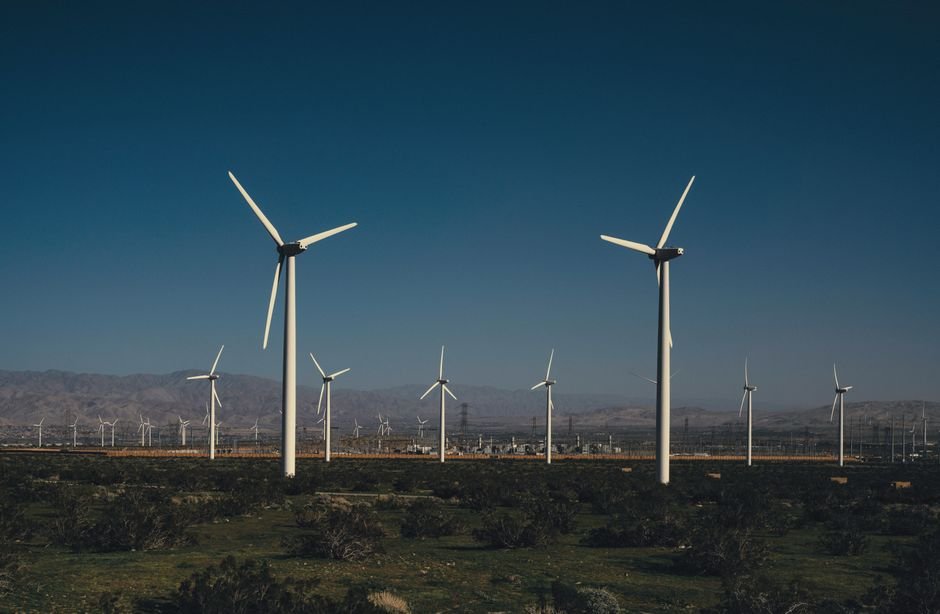
Iran war supercharges global pivot to renewable energy
The Iran war and the closure of the Strait of Hormuz drove oil prices to record levels. Dubai crude touched $166 a barrel in March. The economic pain was immediate and global. But something else happened alongside the crisis: countries that had been talking about transitioning to renewable energy for years finally started doing it at scale.
NPR reports that the Iran war has “supercharged the adoption of renewables and EVs across the world.” Some experts now wonder whether 2026 will prove to be the peak of global oil demand, years ahead of every previous forecast.
The mechanism was brutal but straightforward. The Strait of Hormuz carries about 20 million barrels of oil per day, roughly a quarter of the world’s seaborne oil trade. When Iran shut the waterway in February after US and Israeli strikes on its territory, the global energy market lost a quarter of its supply overnight. Prices surged. Import-dependent countries from India to Japan to Germany faced the hard reality that their economies could be paralyzed by a decision made in Tehran or Washington.
The response has been a wave of investment in alternatives that the clean energy industry has been waiting a decade to see.
India, which relied on the Gulf for most of its oil, accelerated its electric vehicle rollout. EV sales hit a record 2.27 million units in 2025, up 16 percent year on year, and the pace has increased since the war began. The government expanded its rooftop solar program. Analysts at Mercom India wrote that the war “strengthened the case for transport electrification” in a country that has long been the world’s most vulnerable to oil price spikes.
Europe, which faced both high oil prices and the loss of Russian pipeline gas, poured money into wind and solar at a rate that exceeded even the post-Ukraine-invasion surge of 2022. The European Commission accelerated permitting for renewable projects and increased targets for heat pumps and solar installations. The war underscored what officials had been saying for years: energy dependence on unstable regions is a national security risk, not just an economic one.
China is perhaps the biggest beneficiary of the shift. Beijing had spent years building dominance in solar panel manufacturing, battery production, and EV assembly. As the war drove global demand for these products higher, Chinese factories were the ones that could meet it. China now controls more than 80 percent of the global solar supply chain and a similar share of battery manufacturing. Every solar panel installed in response to the Hormuz crisis was likely made in China.
The International Energy Agency had already forecast that fossil fuel demand would peak before 2030. The Iran war may have pulled that date forward by years. A CNBC analysis in March noted that “unlike in previous oil shocks, renewable power has become more competitive in many countries around the world. The infrastructure was already there, waiting for the political will that the crisis finally created.
There are limits to the story. The NYT reported in March that the oil shock could also drive a surge in coal use, as countries desperate for baseload power turned to the cheapest available alternative. Coal-fired plants in India and Southeast Asia ran at higher capacity when LNG shipments through Hormuz were disrupted. The environmental gain from renewables may be partly offset by increased coal burning in the short term.
But the direction of travel has shifted. The oil crisis of 2026 showed import-dependent countries what their vulnerability looked like in real time. They responded by building the infrastructure that reduces that vulnerability permanently. Solar panels, wind turbines, and EV charging stations do not need to pass through the Strait of Hormuz. Once installed, they keep working regardless of what happens in Tehran, Washington, or any capital in between.